
The Giro Cadet Cycling Shoe is the best cycling shoe for wide feet in 2026, offering a true wide fit, adjustable closures, and balanced stiffness so you stay comfortable and powerful on long rides.
With width-first sizing, precise closures, and a wide toe box, it reduces numbness and hotspots while promoting natural toe spread and better circulation.
It also balances stiffness and ventilation for all-day comfort. Want more details to tune your choice? Continue on to learn more.
| Image | Name | Editor's Rating | Price |
|---|---|---|---|
|
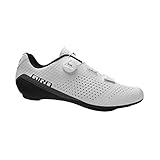
Giro Cadet Road Shoes - White - Size 47
|
|
Giro Cadet Cycling Shoe – Men’s
- Synchwire construction is a stitch-less upper...
- The BOA® L6 Fit System provides fast...
- Our proprietary, advanced carbon composite...
Step up your ride with the Giro Cadet Cycling Shoe — Men’s, designed to bring comfort and performance to cyclists with wider feet. Its unique Synchwire upper eliminates pressure points by providing a stitch-less, vented structure that supports broader forefeet without compromising breathability.
This shoe keeps your feet cool and comfortable on long rides thanks to the lightweight thermo-bonded film and mono-filament mesh. The BOA L6 Fit System offers precise adjustments in 1 mm increments, ensuring a snug fit that can be quickly released when needed. This means no more fussing with laces or straps while on the move.
Power transfer is optimized through a carbon composite outsole that balances stiffness and weight. It also allows for a 5 mm cleat adjustment, helping you fine-tune your pedal stroke for efficiency. Reflective details enhance your visibility in low-light conditions, adding a layer of safety during early morning or evening rides.
Maintenance is straightforward: the durable materials require minimal care, but keeping the BOA dial clean will help maintain its smooth operation. While the carbon outsole excels on smooth roads, it may feel less forgiving on rough terrain. The BOA system is robust but should be checked regularly to avoid wear-related issues.
Best for: cyclists seeking a wide-fit, breathable cycling shoe that offers precise adjustability and efficient power transfer with added visibility features.
What We Like:
- Stitch-less Synchwire upper for comfort and airflow
- BOA L6 system with fine-tuned fit and quick release
- Carbon composite outsole with cleat adjustment for power efficiency
- Lightweight, durable construction for long rides
- Reflective accents improve road safety
Specification:
| Feature | Details |
|---|---|
| Manufacturer | Giro |
| Weight | Lightweight (specific weight not provided) |
| Upper Material | Synchwire (thermo-bonded film and mono-filament mesh) |
| Closure System | BOA L6 Fit System |
| Outsole Material | Carbon composite |
| Cleat Adjustment | 5 mm |
| Color Options | Not specified |
Factors to Consider When Choosing Cycling Shoes for Wide Feet
When you pick cycling shoes for wide feet, start with Width-First Sizing to guarantee a comfortable base fit. Look for Adjustable Closures and a Wide-Toe Box to accommodate volume without sacrificing security, then balance Stiffness with your pedaling style.
Don’t overlook Ventilation Options to keep your feet cool on longer rides.
Width-First Sizing
Width-first sizing means you start with the widest part of your foot to guide shoe choice, ensuring enough room where it matters most. This approach prioritizes selecting shoes that accommodate your widest area so you won’t feel pinching during rides. Many cycling shoes offer wide or extra-wide options designed for broader feet, making it easier to find a true fit.
Correct width helps prevent numbness and discomfort on long rides, letting you maintain pedal stroke without distraction. Remember to measure width in addition to length, as accurate metrics guide you toward proper space across the forefoot and midfoot. When you choose appropriately wide shoes, you improve stability and pedaling efficiency, reducing friction and hot spots.
Width-first sizing keeps comfort at the forefront, especially for frequent or endurance cyclists.
Adjustable Closures
Adjustable closures matter, especially for wide feet, because they let you tune the fit without sacrificing support. With options like BOA® systems or ratchet straps, you gain precise adjustments to accommodate broader shapes comfortably. You can tighten for security and loosen to relieve pressure during long rides, maintaining ongoing comfort and reducing pressure points.
These closures help distribute pressure evenly across the foot, preventing tight spots that cause numbness or discomfort. They also offer a customizable fit that adapts to different foot shapes and swelling levels, so you won’t feel boxed in by a fixed width. Properly adjustable systems ensure secure foot retention while preserving comfort, which is especially helpful if you’re dealing with wider feet or variable foot volume on rides.
Wide-Toe Box
A wide toe box gives your toes space to spread naturally, reducing pressure and hot spots on long rides. With a roomier forefoot, you’ll feel less cramping as you pedal, which helps sustain comfort over mile after mile.
Look for models designed with a wider fit or half-size options to accommodate broader feet, so you don’t have to squeeze your toes into a narrow box. A properly fitting wide toe box promotes better circulation, lowering the risk of blisters and numbness from constriction.
It also helps prevent issues like bunions and black toenails by eliminating unnecessary pressure in the toe area. Overall, adequate toe-space enhances stability, comfort, and power transfer throughout your ride.
Stiffness Balance
Stiffness balance matters: a shoe that’s too stiff can create hotspots and restrict blood flow on wide feet, while one that’s too flexible wastes power and lowers efficiency. For wide feet, the stiffness should spread pressure evenly, boosting comfort and power transfer without pinching.
Ideal stiffness blends support with flexibility, reducing numbness during long rides. Too much rigidity can provoke hotspots and pain, especially when your foot spans broader areas. Conversely, insufficient stiffness invites energy loss and lower efficiency, more noticeable under high-intensity efforts.
Look for shoes with adjustable cleat positioning and flexible sole sections to compensate for any stiffness imbalance. These features help tailor load distribution, maintaining steady pedal stroke and comfort across varied terrains and durations. Choose a balance that supports your foot’s shape without forcing compromise on performance.
Ventilation Options
Ventilation matters for wide feet just as much as fit and stiffness. Proper ventilation in cycling shoes helps prevent sweat buildup and reduces the risk of blisters and fungal infections. Mesh and vented upper materials, like Synchwire, enhance airflow to keep wide feet cool during intense rides.
Shoes with strategic ventilation can improve overall comfort and reduce fatigue by maintaining a more consistent foot temperature. Adequate ventilation options are especially important for wide feet, as they tend to generate more heat and moisture due to increased surface area.
Ventilation features should be balanced with structural support to ensure that wide-foot riders do not compromise stability while maximizing airflow. Prioritize breathable zones near the forefoot and midfoot without sacrificing rigidity where it matters most.
Frequently Asked Questions
Do These Shoes Accommodate Double-Wide Widths Comfortably?
Yes, some models accommodate double-wide widths comfortably. Look for shoes labeled “2E” or “4E,” or those with adjustable straps and roomy toe boxes.
Try brands offering wide-width lines, and consider a professional fitting for accuracy.
Can I Stretch or Modify Wide Shoes for More Space?
Stretching or modifying wide shoes isn’t advised; you risk damage, reduced fit, and blisters.
Instead, seek stretch-ready, true-wide options or professional professional stretching services.
Select shoes with removable insoles, adjustable laces, and forgiving uppers for comfort.
Are Cleat Mounting Options Different for Wide-Foot Models?
Yes, cleat mounting options are typically the same, but some wide-foot models offer more adjustable fore-aft positioning.
You’ll usually find standardized 3-bolt patterns; check offered spacers or shims if you need extra clearance or precise alignment.
Do Wide Shoes Affect Pedal Efficiency or Power Transfer?
Wide shoes can slightly reduce power transfer if overly loose, but with proper fit you won’t lose pedal efficiency.
You’ll feel steadier control, and a snug, supported foot improves cadence, so don’t compromise on ankle-ankle alignment.
How Breathability Differs in Wide-Foot Cycling Shoes?
Breathability in wide-foot cycling shoes primarily hinges on roomy toe boxes, mesh panels, and strategic vents. You’ll notice better moisture management when you choose models with breathable uppers and interior channels that promote air flow.
These features work together to keep your feet cool and dry during long rides. The increased ventilation helps reduce sweat buildup, which can prevent discomfort and blisters. Choosing shoes designed with breathability in mind is especially important for wider feet, as they tend to generate more heat.
Conclusion
You want comfort, you want performance, you want reliability. You’ll find it in a wide-friendly fit that respects your foot shape, keeps your toes free, and supports solid power transfer.
You’ll choose width-first sizing, adjustable closures, and a roomy toe box, then balance stiffness with ventilation for all-day rides. You’ll ride with confidence, you’ll ride with speed, you’ll ride with ease—because the right cycling shoe makes all the difference.
For the best cycling shoes for wide feet in 2026, prioritize fit and comfort to enhance your riding experience and performance. You deserve nothing less.
