
You want a road bike shoe that combines power, precision, and comfort—and the Giro Cadet is a top pick for 2025.
Its carbon composite sole delivers stiff, efficient power transfer while the BOA® L6 Fit System lets you fine-tune your fit in 1mm increments, keeping your foot secure without discomfort.
Plus, its breathable Synchwire upper and reflective details balance comfort and safety.
Explore the features that make this shoe excel in performance and ride enjoyment.
| Image | Name | Editor's Rating | Price |
|---|---|---|---|
|
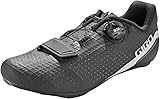
Giro Cadet Men's Road Cycling Shoe, Black, US 9.5 / EU 43
|
|
Giro Cadet Cycling Shoe – Men’s
- Synchwire construction is a stitch-less upper...
- The BOA® L6 Fit System provides fast...
- Our proprietary, advanced carbon composite...
Step up your cycling game with the Giro Cadet Cycling Shoe, designed for riders who demand precision and comfort. Its innovative Synchwire upper offers a stitch-less, ventilated design that keeps your feet cool while providing durable support. This construction reduces pressure points, enhancing comfort on long rides.
The shoe features the BOA® L6 Fit System, which allows micro-adjustments in 1mm increments. This means you can quickly dial in the perfect fit for your foot shape, ensuring stability and reducing fatigue. The system is easy to operate even while riding, giving you control over your fit without stopping.
Efficiency matters, and the carbon composite outsole delivers strong power transfer to your pedals. It also offers a 5mm cleat adjustment, letting you fine-tune your foot position for optimal pedaling technique. Reflective details increase visibility during low-light conditions, adding an extra layer of safety.
Maintenance is straightforward thanks to the breathable materials, which help prevent moisture buildup and odor. Simply wipe clean and air dry to keep them performing well ride after ride. The shoe’s design balances performance, comfort, and safety, making it ideal for serious cyclists who want reliable gear.
Best for: Cyclists seeking a lightweight, adjustable, and durable cycling shoe that enhances power transfer and visibility for safe, high-performance riding.
What We Like:
- Precise micro-adjustability with the BOA® L6 Fit System
- Lightweight, breathable Synchwire upper for all-day comfort
- Carbon composite outsole for efficient power transfer
- Reflective accents for improved low-light visibility
Specification:
| Feature | Details |
|---|---|
| Manufacturer | Giro |
| Weight | Not specified |
| Material | Synchwire upper, carbon composite outsole |
| Color Options | Not specified |
Factors to Consider When Choosing Road Bike Shoes
When choosing road bike shoes, you’ll want to focus on fit and comfort first to avoid any discomfort during rides. Consider the sole stiffness, closure system, breathability, and weight to match your riding style and preferences.
These factors will help you find shoes that perform well and keep you comfortable on every ride.
Fit and Comfort
Although many factors influence your choice of road bike shoes, fit and comfort should top your list. You want a snug fit that minimizes foot movement without squeezing your toes, preventing discomfort on long rides. Look for shoes with adjustable fit systems like dials or laces, so you can make precise adjustments as needed.
Choose lightweight shoes made from breathable materials to keep your feet cool and reduce fatigue. Proper arch support tailored to your foot shape helps evenly distribute pressure, enhancing comfort. A flexible toe box allows your foot to move naturally, while adequate ventilation prevents heat buildup.
Prioritizing these elements guarantees your shoes feel great from the first pedal stroke to the last mile.
Sole Stiffness Level
Choosing the right sole stiffness level plays an essential role in how efficiently you transfer power from your foot to the pedal. Stiffer soles, usually rated 8 or above on a 1 to 10 scale, maximize energy transfer, making them perfect if you’re chasing speed and performance.
However, if the sole is too stiff, it can cause discomfort and restrict blood flow during long rides. That’s why many cyclists prefer a medium stiffness level—it offers a solid balance of comfort and efficient power transfer, suitable for both recreational and competitive riding.
When selecting your road bike shoes, consider how much stiffness matches your riding style and distance to keep you both comfortable and fast on the road.
Closure System Type
Since your road bike shoes need to fit securely without causing discomfort, paying attention to the closure system is essential. You’ll find popular options like Velcro straps, buckles, and BOA dials, each offering distinct advantages. Velcro straps are lightweight and simple but lack the precise adjustability of advanced systems.
Buckles deliver a secure fit and easy tweaking but may add extra weight. The BOA® Fit System stands out by letting you make quick micro-adjustments in 1mm increments, ensuring a tailored feel and improved comfort throughout your ride.
Choosing the right closure system directly impacts your shoe’s performance, comfort, and power transfer, so pick one that keeps your foot snug without pressure, helping you maintain efficiency on every pedal stroke.
Breathability and Ventilation
How well your road bike shoes breathe can make a huge difference on long rides. Proper ventilation keeps your feet cool and dry, preventing discomfort and blisters that can derail your performance. Look for shoes with mono-filament mesh or vented uppers—they boost airflow and wick moisture effectively.
This helps regulate temperature, so you stay comfortable whether it’s hot or cool outside. Breathable shoes also protect your foot health by reducing the risk of fungal infections caused by damp conditions. Plus, some models include reflective details that improve your visibility in low light without compromising airflow.
Prioritizing breathability guarantees you ride comfortably and safely, letting you focus on the road ahead rather than sweaty, sore feet.
Weight and Materials
While performance hinges on many factors, the weight and materials of your road bike shoes directly impact your efficiency and comfort. Lighter shoes reduce fatigue on long rides, letting you pedal stronger and longer. Look for shoes made with advanced composites and breathable mesh; these materials keep your shoes light without sacrificing durability.
Stitch-less uppers further cut weight and boost ventilation, enhancing airflow during intense sessions. The outsole material matters too—carbon composites offer a lightweight feel while maximizing power transfer and responsiveness. Additionally, shoes with reflective materials improve your visibility in low-light conditions without adding much weight, keeping you safer on early morning or evening rides.
Choosing the right balance of weight and materials helps you ride faster, feel better, and stay comfortable mile after mile.
Cleat Compatibility Options
Choosing the right cleat compatibility is key to getting the most out of your road bike shoes. Most road shoes use a three-bolt cleat system compatible with pedals like Shimano SPD-SL, Look Keo, and Time Xpresso, giving you a stable and efficient pedaling platform.
Some models also support two-bolt cleats, letting you switch between road and mountain bike pedals such as Shimano SPD for versatile riding. Pay close attention to the cleat hole placement—it lets you fine-tune cleat position, enhancing both comfort and pedaling efficiency.
Make sure your cleats match the shoe’s mounting system to avoid discomfort or performance loss. Remember, cleat compatibility impacts shoe stiffness and weight, so choose what aligns best with your riding style and goals.
Durability and Construction
Because your road bike shoes endure constant stress and motion, durability and construction quality play an essential role in their performance and lifespan. You should look for shoes made with advanced composite materials, like thermo-bonded films, which boost durability without adding weight. Stitch-less uppers not only improve ventilation but also enhance structural integrity, keeping your shoes in top shape.
A non-woven internal sheet evenly distributes force from the closure system, increasing power transfer and durability. Reinforced vented designs reduce wear and tear while maintaining airflow, extending your shoes’ life. Don’t forget to evaluate the outsole; proprietary carbon composites strike the perfect balance between stiffness, durability, and lightweight performance, essential for efficient road cycling.
Choosing well-constructed shoes means you’ll ride stronger and longer.
Visibility and Safety Features
When you ride in low-light conditions, visibility features on your road bike shoes become essential for safety. Shoes with reflective materials help you stand out to motorists by returning light directly to its source, which is vital during nighttime or early morning rides. Bright colors and eye-catching patterns further boost your visibility, ensuring you’re seen from a distance.
If you often ride in changing weather or varying daylight, prioritizing shoes with integrated visibility features is a smart move. However, don’t sacrifice performance or comfort for safety; the best road bike shoes balance all these aspects seamlessly. By choosing shoes that combine reflective details with ergonomic design, you’ll enhance your safety without compromising your ride’s efficiency or comfort.
Frequently Asked Questions
Are Road Bike Shoes Compatible With Mountain Bike Pedals?
No, road bike shoes usually won’t fit mountain bike pedals because they use different cleat systems.
You’ll need mountain bike shoes designed for those pedals to guarantee proper compatibility and safety while riding.
How Often Should I Replace My Road Bike Shoes?
You should replace your road bike shoes every 1,000 to 2,000 miles or when the soles feel worn, cleats loosen, or comfort fades.
Don’t wait—worn shoes can dull your ride and cause discomfort.
Can I Wear Road Bike Shoes for Casual Walking?
You can wear road bike shoes for casual walking, but they’re stiff and might feel uncomfortable over time. They’re designed for pedaling efficiency, so for extended walking, regular sneakers would be a better choice.
Do Road Bike Shoes Improve Pedaling Efficiency?
Think of road bike shoes as your pedals’ best friends—they lock your feet in place, letting you pull and push powerfully.
You’ll pedal smoother, waste less energy, and feel like you’re flying on every ride.
Are There Waterproof Road Bike Shoe Options?
Yes, you can find waterproof road bike shoes designed to keep your feet dry in wet conditions. They use water-resistant materials and sealed seams, so you won’t have to worry about soggy feet during rainy rides.
These shoes often feature breathable membranes that prevent water from entering while allowing moisture to escape. Some models also include additional protective overlays for enhanced durability against the elements.
When shopping, look for shoes specifically labeled as waterproof or water-resistant to ensure optimal performance.
Conclusion
When choosing your next road bike shoe, don’t just trust flashy designs or brand hype. The theory that stiffer soles always mean better performance isn’t entirely true—comfort and fit play just as vital a role.
You’ll ride faster and longer when your shoes feel right, not just look high-tech. So, focus on how the Giro Cadet Cycling Shoe fits and supports you.
After all, the best shoe is the one that keeps you riding strong and pain-free.
