
You’ll want TRIAX Power 4-Stroke SAE 30W Synthetic for high-zinc wear protection and temperature reliability when choosing the best engine oils for log splitters.
This oil ensures your equipment runs smoothly under various conditions.
STP Premium SAE 10W-30 offers anti-wear and carbon deposit control with a synthetic blend, making it a solid choice for maintaining engine cleanliness and efficiency.
Husqvarna 593271901 is great for two-stroke engines, reducing wear and overheating.
It helps extend the life of your log splitter’s engine.
Heavy-Duty AW 32 Hydraulic Fluid handles heavy loads and prevents corrosion, ideal for hydraulic systems in some log splitters.
Choosing the right oil means checking engine type, viscosity, temperature range, and maintenance needs.
Keep exploring to find the perfect fit for your log splitter.
| Image | Name | Editor's Rating | Price |
|---|---|---|---|

|
TRIAX Power 4-Stroke 10W-30 Full Synthetic 4-Cycle Small...
|
|
|

|
STP Premium Synthetic Blend 4 Cycle Small Engine Oil, SAE...
|
|
|
|
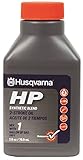
Husqvarna 593271901 Engine Oil, Grey
|
|
|
|
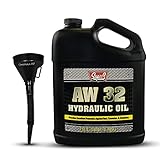
Heavy-Duty Hydraulic Fluid - AW 32 Hydraulic Oil - 1 Gal...
|
|
TRIAX Power 4-Stroke SAE 30W Synthetic Motor Oil
- HIGH-ZINC FORMULA: Contains 2X the zinc of...
- COMMERCIAL GRADE DURABILITY: Extreme shear...
- ALL-SEASON: Provides reliable performance...
When your equipment faces tough, demanding tasks, using the right motor oil can make all the difference. TRIAX Power 4-Stroke SAE 30W Synthetic Motor Oil is crafted to keep engines running smoothly, even under heavy-duty conditions. Its specially formulated high-zinc content provides robust wear protection, helping your engine last significantly longer.
This oil excels in maintaining clean engine internals by preventing soot buildup and valve sticking. The result is quieter and more efficient operation, reducing smoke emissions and minimizing maintenance needs. TRIAX Power’s synthetic formula also ensures reliable performance across a wide temperature range, from -40°F to 130°F, making it versatile for various outdoor equipment.
Designed for small engines like log splitters, lawnmowers, and generators, this motor oil supports your equipment’s longevity and efficiency. While it comes only in SAE 30W viscosity and in a 6-quart pack, it suits users who require consistent, high-performance lubrication. Keep in mind that its synthetic nature may come at a higher cost compared to conventional oils.
Choose TRIAX Power to protect your engine against extreme shear and thermal stress, enhancing durability and reducing harmful emissions for a cleaner run.
Best for: Users with small engines such as log splitters, lawnmowers, and generators needing durable synthetic motor oil for heavy-duty and varying temperature conditions.
What We Like:
- High-zinc formula extends engine life and boosts wear protection.
- Reliable in extreme temperatures from -40°F to 130°F.
- Prevents soot buildup and valve sticking for cleaner engine operation.
- Reduces smoke emissions for quieter performance.
Specification:
| Feature | Details |
|---|---|
| Manufacturer | TRIAX |
| Oil Type | 4-Stroke Synthetic Motor Oil |
| Viscosity Grade | SAE 30W |
| Zinc Content | High |
| Temperature Range | -40°F to 130°F |
| Package Size | 6 quarts |
STP Premium SAE 10W-30 Small Engine Oil
- SAE 10W-30 MOTOR OIL FOR SMALL ENGINES: One...
- ALL-WEATHER FORMULA: This 4‑stroke oil is a...
- FIGHTS THERMAL BREAKDOWN: Antioxidants fight...

STP Premium SAE 10W-30 Small Engine Oil is designed to keep your outdoor engines running smoothly in all weather conditions. Its synthetic blend formula helps your engine start more easily, even when temperatures drop. This oil protects your equipment from thermal breakdown, ensuring reliable performance during heavy use.
The advanced anti-wear technology reduces engine wear and limits oil consumption. This means your small engine stays in better condition for longer. Viscosity improvers maintain consistent lubrication, which helps prevent damage from friction under different operating conditions.
Regular use of this oil also keeps engine parts clean. Detergents work to prevent carbon buildup that can reduce efficiency and cause problems. Corrosion inhibitors protect your engine when it’s stored for long periods, so your equipment remains ready for the next season.
This product is ideal for small engines like lawnmowers, generators, tractors, and snow blowers. It supports smooth operation and extends the life of your outdoor power equipment. However, it is not recommended for engines requiring full synthetic oil or for automotive and heavy-duty applications.
Best for: Small engine owners seeking dependable, all-weather lubrication for outdoor equipment.
What We Like:
- Enables easier starts in cold and warm weather
- Reduces engine wear and oil consumption
- Keeps engine clean by preventing carbon buildup
- Protects against corrosion during storage
Specification:
| Feature | Description |
|---|---|
| Manufacturer | STP |
| Oil Type | Synthetic Blend |
| Viscosity Grade | SAE 10W-30 |
| Recommended Use | Small outdoor engines |
| Container Size | Varies (check product) |
Husqvarna 593271901 Engine Oil, Grey
- High performance two stroke engine oil
- Contains fuel stabilizer to help reduce risk...
- Low operating temperature
Experience smoother operation and extended engine life with Husqvarna 593271901 Engine Oil, Grey. Specially formulated for two-stroke engines, this oil tackles common issues like engine wear and overheating. It helps maintain low operating temperatures, reducing the risk of engine failure during heavy use.
This high-performance oil includes a fuel stabilizer that guards against wear and tear, ensuring your engine runs reliably over time. The formula exceeds the latest JASO standards, giving you confidence in its quality and protection. Its unique composition is tailored to keep your equipment running efficiently under demanding conditions.
Maintenance becomes simpler when using oil designed for your engine type. By following your manufacturer’s guidelines and using this oil, you help prevent costly repairs and downtime. The grey color marks it clearly as a specialized product, although it may blend with other oils during application.
Ideal for log splitter owners and other users of two-stroke machinery, this oil supports long-term engine health and dependable performance. It is not suitable for four-stroke engines, so proper use is essential to achieve the best results.
Best for: Owners of two-stroke engine equipment seeking reliable oil that reduces engine wear and maintains optimal temperature control.
What We Like:
- Fuel stabilizer reduces engine wear and prolongs engine life
- Exceeds latest JASO specifications for high-quality protection
- Keeps engine temperature low to improve efficiency and longevity
- Specifically formulated for two-stroke engines, ensuring proper compatibility
Specification:
| Feature | Details |
|---|---|
| Manufacturer | Husqvarna |
| Color | Grey |
| Engine Type | Two-stroke |
| Performance Spec | Exceeds JASO standards |
| Special Feature | Fuel stabilizer |
Heavy-Duty AW 32 Hydraulic Fluid – 1 Gallon
- This hydraulic oil works perfectly in extreme...
- This hydraulic jack oil guards your machine's...
- This compressor oil stops rust and corrosion...
Heavy-Duty AW 32 Hydraulic Fluid keeps your log splitter running smoothly even in harsh conditions. Designed to perform across a wide temperature range from -40°F to 130°F, it ensures consistent viscosity and prevents foaming. This means your equipment operates efficiently without interruptions, regardless of the weather.
This hydraulic fluid protects critical machine parts by reducing wear and preventing grinding. It also blocks moisture to stop rust and corrosion, maintaining cleanliness and extending the lifespan of your log splitter. By managing heat effectively, it helps avoid overheating and prolongs the durability of seals and hoses.
Maintenance becomes easier as this fluid supports long-term reliability and reduces the risk of costly repairs. Its formulation is tailored to heavy-duty use, making it a dependable choice for log splitter owners who demand performance and protection.
Use Heavy-Duty AW 32 Hydraulic Fluid with confidence to enhance your equipment’s efficiency and durability. Its specialized design helps keep your log splitter in top condition, even under extreme operating temperatures.
Best for: Log splitter owners and heavy equipment users needing dependable hydraulic fluid that performs well in extreme environments.
What We Like:
- Consistent viscosity and foam prevention from -40°F to 130°F
- Protects against wear, rust, and corrosion
- Efficient heat dissipation to prevent overheating
- Supports long-term equipment reliability
Specification:
| Feature | Details |
|---|---|
| Manufacturer | Heavy-Duty Brand |
| Volume | 1 gallon (3.79 L) |
| Fluid Type | AW 32 Hydraulic Fluid |
| Temperature Range | -40°F to 130°F |
| Color | Amber |
Factors to Consider When Choosing Engine Oil for Log Splitter
When choosing engine oil for your log splitter, you’ll want to evaluate the oil’s viscosity and whether it suits the temperature range you’ll be working in. Protecting your engine from wear and controlling deposits are key to keeping it running smoothly.
You’ll also need to decide between synthetic and conventional oils based on performance and budget.
Oil Viscosity Importance
Choosing the right oil viscosity is essential to keep your log splitter’s engine running smoothly and efficiently. Viscosity affects how well oil flows and lubricates engine parts, reducing wear during operation. For log splitters, which endure high loads, a thicker oil film from higher viscosity oils offers vital protection.
You’ll notice viscosity ratings like SAE 30W or SAE 10W-30—these numbers indicate performance at various temperatures. Lower numbers improve cold starts, while higher numbers provide better protection when the engine heats up. Multi-viscosity oils, such as 10W-30, adapt well across temperature changes, maintaining consistent lubrication.
Picking the correct viscosity prevents problems like oil foaming or insufficient lubrication, both of which can damage your engine or cut efficiency. So, always match oil viscosity to your splitter’s needs for ideal performance.
Temperature Range Suitability
Matching the right oil viscosity helps your log splitter perform well, but you also need to reflect on how the oil handles different temperatures. You want oil that works smoothly from -40°F to 130°F, covering cold starts and hot operations. Choosing oils like SAE 10W-30 or SAE 30W guarantees your engine stays lubricated no matter the weather.
Oils with high thermal resistance keep their viscosity stable, preventing breakdown during extreme heat or cold. Look for formulations that resist foaming and maintain consistent lubrication, so your engine won’t suffer from temperature fluctuations. Picking oil with dependable temperature range suitability protects your log splitter’s performance and keeps it running smoothly through any season, avoiding unnecessary downtime or damage.
Engine Wear Protection
Protection plays an essential role in keeping your log splitter’s engine running smoothly under heavy use. Choosing engine oil with a high-zinc formula is key, as it offers enhanced wear protection by reducing friction between moving parts. This anti-wear technology helps maintain engine integrity during tough, high-load operations.
You’ll also want oil with a stable viscosity index, so it performs consistently across temperature changes, preventing wear caused by fluctuating conditions. Oils that include detergents keep the engine cleaner by controlling carbon deposits, which helps avoid premature wear.
Regularly changing your oil and opting for high-quality products will markedly cut oil consumption and engine wear, ensuring your log splitter stays efficient and lasts longer. Prioritizing these factors will protect your investment and keep it running strong.
Deposit Control Benefits
Although you might focus on wear protection, controlling deposits is just as essential for your log splitter’s engine health. Oils with excellent deposit control prevent soot buildup and valve sticking, which keeps your engine running smoothly and efficiently.
High-quality motor oils use advanced detergents to maintain cleanliness, reducing carbon deposits that can impair starting and overall performance. By choosing an oil formulated for small engines like log splitters, you help protect critical components from wear and extend your engine’s lifespan.
Plus, maintaining a clean engine lowers emissions, contributing to a cleaner environment. Regularly using oils with superior deposit control guarantees your log splitter stays reliable and performs at its best every time you need it.
Synthetic vs Conventional
When choosing engine oil for your log splitter, understanding the differences between synthetic and conventional oils can make a big difference in performance and engine longevity. Synthetic oils offer superior viscosity stability, keeping your engine well-lubricated across a wider temperature range—ideal for extreme conditions.
They contain higher additive levels, including high-zinc formulas that provide enhanced wear protection under heavy loads. This means synthetic oils break down less, last longer, and require fewer changes, cutting maintenance costs.
In contrast, conventional oils might not prevent soot buildup and deposits as effectively, risking engine damage over time. By opting for synthetic oil, you guarantee your log splitter runs smoothly and stays protected, especially if you rely on it frequently or in harsh environments.
Compatibility With Equipment
Choosing the right engine oil goes beyond just picking between synthetic and conventional options. You need to confirm the oil matches your log splitter’s manufacturer specifications, especially the required viscosity grade like SAE 30W or 10W-30. Oils designed for small engines provide better protection and smoother performance during operation.
It’s essential to select oils that perform well across a wide temperature range, from -40°F to 130°F, so your equipment runs reliably in any weather. Look for formulations with anti-wear additives to reduce engine component wear and extend your log splitter’s lifespan. Plus, oils containing detergent additives help keep the engine clean by preventing carbon buildup, which maintains efficient performance.
Matching your oil to your equipment confirms peak function and durability.
Storage And Longevity
To keep your log splitter running smoothly after periods of inactivity, you’ll want engine oil that protects against corrosion and maintains stability during storage. Choose oils with corrosion inhibitors to shield the engine when it’s not in use, and look for detergents that keep the engine clean by controlling carbon deposits. This prevents buildup that can hurt performance and make starting sluggish.
Opt for formulations with strong thermal stability to avoid oil breakdown at high temperatures, and consider high-zinc oils for superior wear protection that extends engine life during storage. Don’t forget to regularly check oil levels and replace stale oil, as degraded oil can cause engine damage and reduce performance over time. Proper oil choice and maintenance guarantee your log splitter is ready to work whenever you need it.
Frequently Asked Questions
How Often Should I Change the Oil in My Log Splitter?
You should change the oil in your log splitter every 50 hours of use or at least once a season, whichever comes first. If you use it heavily or in dirty conditions, consider changing it more frequently.
Regular oil changes keep the engine running smoothly and prevent damage. Always check your owner’s manual for specific recommendations, but sticking to this schedule helps guarantee your splitter stays reliable and performs well over time.
Can I Use Automotive Oil in a Log Splitter?
You can use automotive oil in a log splitter, but it’s not always ideal. Log splitters often require specific oils designed to handle their hydraulic systems and engine needs. Using the wrong oil might reduce performance or cause wear.
Check your owner’s manual for the recommended oil type. If you must use automotive oil, choose one with the right viscosity and additives to protect your machine and keep it running smoothly.
What Is the Ideal Oil Capacity for Most Log Splitters?
They say, “A stitch in time saves nine,” so knowing your log splitter’s oil capacity is essential. Most log splitters hold between 1 to 2 quarts of oil, but this can vary by model. Always check your owner’s manual to avoid overfilling or running low.
Keeping the right oil level guarantees your splitter runs smoothly and lasts longer, saving you from costly repairs down the line.
Are Synthetic Oils Better for Cold Weather Log Splitting?
Yes, synthetic oils are better for cold weather log splitting. They flow more easily at low temperatures, ensuring your log splitter’s engine starts smoothly and runs efficiently in the cold. You won’t have to worry about thick, sluggish oil causing wear or difficulty during startup.
Using synthetic oil helps protect your equipment and keeps performance steady, so you can split logs without delays or damage, even in freezing conditions.
How Do I Dispose of Used Log Splitter Oil Safely?
Disposing of used log splitter oil safely is as easy as pie if you follow the right steps. First, pour the oil into a sealable container to avoid spills. Then, take it to a local recycling center or hazardous waste disposal site—they often accept used oil.
Never dump it on the ground or down drains, as it harms the environment. By handling it responsibly, you keep nature’s balance intact and your conscience clean.
Conclusion
Choosing the right engine oil for your log splitter isn’t just important—it’s like giving your machine a suit of armor against wear and tear. Whether you go with TRIAX Power Synthetic or Husqvarna’s trusted formula, you’ll keep your splitter running smoother and longer.
Don’t settle for less; the perfect oil keeps your engine purring like a lion on a sunny day. Protect your investment, and you’ll never dread splitting wood again!
When it comes to the best engine oils for log splitters, quality matters most. Using the right oil ensures your machine performs at its peak and lasts through countless splitting sessions.
