Cheap or poorly made exhausts for the Audi RSX often cause more noise than power, rattle under the car, or fit poorly, leading to leaks or expensive adjustments. Finding the best Audi RSX exhaust means avoiding those hassles, getting a secure fit, and a noticeable improvement in sound without unwanted drone while driving.
What sets a good Audi RSX exhaust apart usually comes down to materials, fit, and pipe diameter. Stainless steel alloys resist rust better than basic metals and last longer in harsh weather. Pipe diameter around 2.5 to 3 inches balances improved airflow and backpressure for power without hurting fuel economy.
Custom or well-matched kits fit tight to factory mounts, preventing vibrations and exhaust leaks that cheap universal systems often suffer from.
Need a Quick Check?
| Image | Product | Price |
|---|---|---|
Our Top Picks 1  | DNA Motoring Catback | Check Price |
Our Top Picks 2  | Invidia N1 RSX Exhaust | Check Price |
Our Top Picks 3  | SRS RSX Catback | Check Price |
Our Selected Top 12 Audi Rsx Exhaust for Different Needs
This list includes a variety of Audi RSX exhaust systems catering to different driving styles and preferences. Each review covers performance aspects, suitability for specific drivers, and highlights benefits alongside any potential drawbacks. It helps readers pick an exhaust that matches their needs and budget.
1. DNA Motoring CBE-OE-ARSX-S Cat Back Exhaust System
Expect a clear increase of 15 to 25 horsepower and low-end torque for the 2002-2006 Acura RSX Type-S with the DNA Motoring CBE-OE-ARSX-S Cat Back Exhaust System. It suits someone looking for extra engine power and a deeper exhaust tone without complicated installation. Its biggest strength lies in balancing sound and performance improvements with durable materials.
Installation involves swapping out the stock cat-back setup for this stainless steel system. The TIG welded CNC machine flange and mandrel bends help align the pipes smoothly, keeping installation straightforward for anyone with basic mechanical skills. Daily use benefits include a smoother exhaust gas flow and a noticeable drop in back pressure, which helps maintain engine efficiency and sound quality during city driving or highway cruising.
The larger pipes and tuned mufflers deliver an aggressive but refined exhaust note that doesn’t get too loud or raspy. The T-304 stainless steel construction feels solid and rust-resistant after time on the road. The strongest praise mentions a real boost in throttle response and engine output, while the most common complaint focuses on the installation needing some extra patience to get perfectly aligned on some car models.
The DNA Motoring cat back exhaust fits well on 2002-2006 Acura RSX Type-S models and uses T-304 stainless steel for long-lasting durability. It produces a deep, smooth tone and reduces back pressure thanks to larger pipes and tuned resonators. Some might find the sound louder than expected, especially during idle or low speeds.
Drivers wanting a noticeable increase in horsepower and a sportier exhaust note should find this system satisfying. Those preferring a quieter ride or something less aggressive may want to explore other options designed for a more subtle sound profile. Installation requires basic mechanical knowledge or professional help for best results.
Pros
- Adds noticeable horsepower and torque
- High-quality T-304 stainless steel construction
- Deep and smooth exhaust tone
- Durable welded flanges resist corrosion
Cons
- May require extra effort for perfect installation fit
- Warranty details require contacting seller
| Specification | Details |
|---|---|
| Fitment | 2002-2006 Acura RSX Type-S |
| Material | T-304 Stainless Steel |
| Performance Gain | 15 – 25 horsepower increase |
| Welding | TIG welded CNC machine flange |
| Included | 1 x Catback Exhaust System |
2. Invidia N1 Cat-Back Exhaust System for Acura RSX DC5 Type-S
Someone who drives an Acura RSX DC5 Type-S and wants a louder, deeper exhaust sound without changing the car’s everyday feel will find this system fits well. It stands out for its straight-through design and solid 60-millimeter piping that balances sound and power effectively.
Installing the system requires some mechanical knowledge, as it replaces the factory cat-back setup, but the fit is precise for 2001-2006 Acura RSX models. The 34-pound weight isn’t heavy and keeps sure the car feels stable.
Using it daily means enjoying a clearer, sportier engine sound without excessive drone inside the cabin during cruising.
The 60mm piping and 101mm tip give a well-rounded tone that isn’t overbearing but definitely sharper than stock. Build quality is sturdy with materials made to last, which customers appreciate. The most frequent complaint concerns occasional rattling noises after extended use, but the exhaust performs well in power delivery and sound consistency.
The Invidia N1 Cat-Back Exhaust System fits Acura RSX DC5 Type-S models from 2001-2006 and features 60-millimeter piping with a 101-millimeter tip. It delivers a noticeable deep sound that stands out without being overwhelmingly loud. Some find the installation can be tricky unless familiar with exhaust work, especially aligning the piping correctly to avoid rattling.
Drivers wanting a louder exhaust tone with decent flow will appreciate this system. Sports car enthusiasts focused on street driving might enjoy the sound and feel. People needing quieter setups or simple bolt-on parts without adjustments might prefer a different option that requires less tuning or effort during installation.
Pros
- Good fit for 2001-2006 Acura RSX models
- Solid 60mm piping for balanced sound
- Deeper tone without excess cabin drone
- Made with durable materials
Cons
- Rattling can develop after longer use
- Installation requires mechanical tools and know-how
| Specification | Details |
|---|---|
| Vehicle Compatibility | Acura RSX 2001-2006 |
| Piping Diameter | 60 millimeter |
| Tip Size | 101 millimeter |
| Item Weight | 34 pounds |
| Model Number | HS01AR1GTP |
| Manufacturer | Invidia |
3. SRS Catback Exhaust for 02-06 RSX Non Type-S
Designed for the 02-06 RSX Non Type-S models, this catback exhaust delivers a deep, smooth tone without complicated installation. Ideal for someone wanting a straightforward upgrade with a sound that improves daily driving enjoyment.
Its bolt-on design makes fitting it as simple as possible compared to other aftermarket options.
Installation is straightforward because the exhaust system uses a direct bolt-on approach, so it fits exactly where the old one was without modifications. The mandrel bent tubing keeps airflow consistent, which helps keep the car responsive. Cleaning mostly means occasional checking for surface rust since it’s made for regular driving use rather than track abuse.
Its Japan design signals more attention to detail than many generic parts.
The main job of improving exhaust tone works well, providing a deep and smooth sound that is always noticeable but not overpowering. The tubing is sturdy and the bends maintain performance without restriction.
One strong point mentioned is the fitment, which rarely requires adjustment. The most common downside is that the sound isn’t very loud for those wanting an aggressive exhaust note.
SRS Catback Exhaust fits the 02-06 RSX Non Type-S models with a direct bolt-on design that makes installation straightforward without modification. It delivers a smooth, deep tone that’s noticeable but not overpowering. Mandrel bent tubing helps maintain exhaust flow, and the Japan design reflects thoughtful engineering. Some find the sound quieter than expected during daily driving.
Drivers wanting a solid sound upgrade without major noise should consider this option. It suits those driving older RSX models, especially Non Type-S. Those seeking a louder, more aggressive exhaust note or custom tuning might want to look at other exhaust systems offering more volume and varied sound profiles.
Pros
- Direct bolt-on fit for simple installation
- Mandrel bent tubing for smooth airflow
- Produces a deep, smooth exhaust tone
- Japanese design quality
Cons
- Sound not very loud for aggressive sound fans
- Surface can show rust if not cleaned regularly
| Specification | Details |
|---|---|
| Compatible Model | RSX 02-06 Non Type-S |
| Installation | Direct bolt on design |
| Tubing | Mandrel bent tubing |
| Manufacturer Part Number | SRS-CBEX-ARNS0206 |
| Brand | SR*S Tuning |
| Design Origin | Japan |
4. DNA Motoring CBE-ARSX-NS Cat Back Exhaust System for Acura RSX

DNA Motoring CBE-ARSX-NS Cat Back Exhaust System for Acura RSX suits drivers aiming to boost power and get a deeper sound. It fits the 02-06 Acura RSX DC5 Non Type-S and stands out for improving engine output with strong, smooth exhaust flow.
Installing the exhaust requires some mechanical skill but fits well on the designated RSX models thanks to precise mandrel bends. The polished 2.5-inch diameter pipes and double-walled muffler reduce back pressure and help maintain durable airflow.
Its TIG welded joints resist corrosion, letting you keep the exhaust in place despite regular driving and road conditions.
Performance-wise, this setup claims a 15 to 25 horsepower increase, focusing on low-end torque and a fuller exhaust tone. The steel construction and CNC machining add strength and longevity. People highlight its aggressive sound without rattling, though some note the muffler can be louder than expected at idle.
The DNA Motoring CBE-ARSX-NS fits 2002-2006 Acura RSX DC5 Non Type-S models and is built from quality steel with mandrel-bends for durability. It delivers a deep, aggressive exhaust tone without excessive noise. Some find the installation a bit tricky due to fitment tightness at the connection points, but once on, it shows noticeable horsepower gains and flows well.
Drivers looking for a louder, performance-focused exhaust that adds about 15 to 25 horsepower will like this system. Those wanting a quieter or more refined sound or a simpler install might prefer a different setup. It suits anyone prioritizing power and sound for daily driving or weekend cruising on an Acura RSX.
Pros
- Increases horsepower by 15-25
- Corrosion-resistant TIG welded construction
- Deep, smooth exhaust tone
- Polished muffler adds to the look
Cons
- Installation requires mechanical experience
- Muffler louder than expected at idle
| Specification | Details |
|---|---|
| Fitment | 02-06 Acura RSX DC5 Non Type-S |
| Pipe Diameter | 2.5″ OD Inlet/Outlet |
| Muffler Type | 4″ Double Walled Round Polished |
| Material | High quality steel, TIG welded |
| Weight | 22 pounds |
| Exterior | Polished finish |
5. Cat Back Exhaust System Acura RSX DC5 2002-2006

Driving the Acura RSX DC5 feels more lively with this cat back exhaust system. It suits anyone wanting a deeper, smoother sound without complicated installation.
Its biggest strength is the solid stainless steel build that holds up well over time, even with daily driving.
Installation generally goes smoothly thanks to the direct fit design. You get all the necessary mounting hardware and gaskets in the box, so you won’t have to gather extra parts.
The piping size matches stock dimensions, making it straightforward to bolt on or weld for extra durability. Cleaning mainly involves checking the muffler tip for road grime to keep the look clean. The 21.8-pound weight doesn’t add much bulk underneath the car.
The 4-inch muffler tip improves the exhaust note nicely, creating a mellow and deep sound that’s noticeable but not too loud. The main complaint comes from some users finding occasional rattling if bolts aren’t tightened properly.
The stainless steel construction stands up well to impact and corrosion, so it lasts through exposure to the elements. Welds and flanges provide strong connections that hold up over time.
The catback exhaust system fits Acura RSX DC5 models from 2002 to 2006 and attaches directly without modification. Its stainless steel construction makes it tough against rust and damage. The muffler has a 4-inch tip that produces a deep, smooth sound, though some find it louder than expected during everyday driving.
Drivers wanting a stronger exhaust note and solid build value this setup, especially on non-Type S RSX models. Those favoring quieter rides or simpler stock replacements might look elsewhere. It suits people comfortable with DIY installation or having access to a shop for welding. The performance gain works best for casual street use rather than track-oriented tuning.
Pros
- Direct fit for easy installation
- Durable stainless steel construction
- Mellow, deep exhaust tone
- Includes all mounting hardware
Cons
- Possible rattling if bolts loosen
- Only 6-month manufacturer warranty
| Specification | Details |
|---|---|
| Compatibility | 2002-2006 Acura RSX DC5 Non Type-S |
| Material | Stainless Steel |
| Piping Size | 2.25 inch Inlet / 2.25 inch ID Main piping |
| Muffler Tip | Round 4 inch OD Burnt Muffler Tip |
| Weight | 21.8 pounds |
| Warranty | 6 Months |
6. DNA Motoring CBE-ARSX-S-NRT Cat Back Exhaust System

Designed for Acura RSX DC5 Type-S models from 2002 to 2006, this exhaust system fits drivers who want noticeable performance gains with a strong, deep sound. Its biggest strength lies in turning up horsepower and torque with minimal fuss.
Setting it up involves matching the stainless steel pipes perfectly to the car’s undercarriage, thanks to the precise mandrel bends. The polished finish resists corrosion, and the CNC-machined flange ensures a tight seal that holds well over time. Day to day, the system runs quietly enough for city driving but kicks in a deeper tone under load, making everyday driving more engaging without excess cabin noise.
Expect a real boost in engine output, with a gain of 15 to 25 horsepower according to dyno data. The design lowers exhaust back pressure and aids smoother gas flow, helping your engine breathe better.
The TIG welding and quality steel keep it durable, while some feedback points out the deeper tone might be too aggressive for quieter streets.
The DNA Motoring Cat Back Exhaust System fits well on 02-06 Acura RSX DC5 Type-S models and uses T-304 stainless steel with mandrel bends that add to its strength. Most people notice a deeper and smoother exhaust tone along with improved engine performance, gaining about 15 to 25 more horsepower.
This exhaust suits those who want a noticeable boost in power and a richer sound without major modifications. Drivers focused on daily commuting with quiet rides might find it too loud or aggressive. Those after something easier to install or with a milder sound might prefer a different setup tailored to a less intense driving experience.
Pros
- Clear horsepower and torque increases
- Durable stainless steel construction
- Deep, aggressive exhaust tone
- Tight, corrosion-resistant flange seal
Cons
- Sound may be too loud for some neighborhood settings
- Installation can require careful alignment to avoid leaks
| Specification | Details |
|---|---|
| Fitment | 02-06 Acura RSX DC5 Type-S |
| Material | T-304 Stainless Steel |
| Weight | 22.1 pounds |
| Exterior Finish | Polished |
| Performance Gain | 15 – 25 horsepower |
7. Spec-D Tuning JDM 4 Tip Catback System DC5

Made from chrome with four tips, this exhaust is designed for Acura RSX Base models from 2002 to 2006. It suits someone wanting an upgrade that fits well without complicated changes.
Its easiest-to-install feature stands out among similar catback systems.
Installation requires minimal modifications, making it straightforward for anyone with basic tools. The system fits directly onto the factory hangers. Daily operation is quiet enough for normal driving but delivers a noticeable change in sound when accelerating.
The weight is manageable at 22 pounds, so handling and placement during installation feel solid but not cumbersome.
The exhaust performs well by improving airflow and adding a more aggressive tone to the car’s sound. Chrome exterior holds up well over time, though it may need occasional polishing to prevent dulling. Reviews show users appreciate the exact fit and easy mounting.
Some mention the hangers could be a bit tighter to avoid slight rattling under certain conditions.
Spec-D Tuning JDM 4 Tip Catback System fits well with Acura RSX Base models from 2002 to 2006 without needing major changes. The setup is straightforward, requiring just basic tools and some patience. Pipes and tips come in as pictured, with solid build quality that holds up during daily driving.
Drivers looking for a durable replacement that fits directly onto the RSX Base will find this exhaust satisfying. Those after a quiet or very refined exhaust might want to explore other options. It suits enthusiasts who prefer a noticeable, sporty sound. People needing something specifically for the RSX Type-S or with a different fit will need a different setup.
Pros
- Fits perfectly on stock hangers
- Easy installation with few modifications
- Chromed tips resist corrosion
- Makes exhaust sound noticeably stronger
Cons
- Occasional rattling from loose hangers
- Chrome requires regular polishing
| Specification | Details |
|---|---|
| Material | Chrome |
| Fitment | Acura RSX Base 2002-2006 |
| Weight | 22 pounds |
| Model Number | MFCAT2-RSX02T-SD |
| Brand | SPEC-D TUNING |
8. DNA Motoring CBE-OE-ARSX-S-NRT Exhaust System for Acura RSX Type-S

Designed for 2002-2006 Acura RSX Type-S models, this exhaust system stands out with its deep, aggressive tone that grabs attention right away. It suits someone looking to boost engine performance and add a louder, smoother sound without major hassle.
The biggest strength lies in balancing power gains with durability.
Installing the system demands some basic tools but fits well thanks to precise mandrel bends and a CNC machine flange. The aluminized steel construction makes it sturdy yet lighter than some steel alternatives.
Daily driving benefits from reduced exhaust back pressure, resulting in smoother throttle response. Cleaning is straightforward since polished parts resist corrosion, and the 3-inch diameter piping keeps the flow efficient without rattles.
The exhaust increases horsepower by 15 to 25, making acceleration noticeably stronger. The TIG welding and CNC flange prevent leaks and resist corrosion.
The muffler’s louvered core reduces drone but some feedback mentions the tone can get loud inside the cabin at low speeds. The 21.9-pound system feels solid beneath the car and holds up well over time in reviews.
The DNA Motoring exhaust fits the 2002-2006 Acura RSX Type-S well and adds a noticeable sound boost. The aluminized steel build feels solid and resists corrosion, with smooth bends that help gas flow. Most find the deeper tone enjoyable, but some mention the pipe noise being louder than expected during steady cruising.
People who want stronger low-end torque and a more aggressive exhaust sound will appreciate how this setup changes the car’s feel. Those looking for a quieter, more subtle upgrade might want to check other options since the louder tone can be distracting on long drives. It works best for daily drivers who like a bit more growl from their RSX.
Pros
- Clear horsepower improvement of 15 to 25 hp
- Durable aluminized steel construction
- Tuned resonators limit excessive exhaust drone
- Easy to clean polished exterior
Cons
- Cabin can get loud during low-speed driving
- Installation may require basic mechanical skills
| Specification | Details |
|---|---|
| Fitment | 2002-2006 Acura RSX Type-S |
| Material | Aluminized Steel |
| Piping Diameter | 3″ ID |
| Weight | 21.9 pounds |
| Welding | TIG welded CNC flange |
| Sound | Aggressive, deep, smooth tone |
9. Northeastern Exhaust Catalytic Converter for Acura RSX 2002-2006
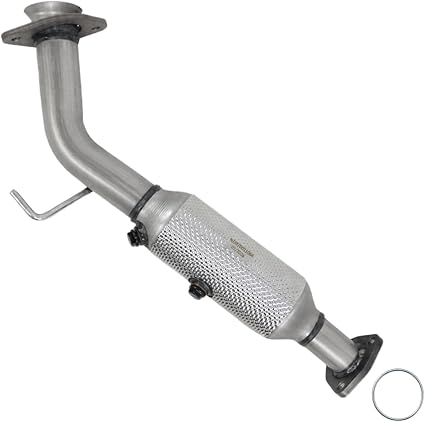
Strictly made for Acura RSX 2002-2006 base models, this catalytic converter brings durable stainless steel construction that stands up well against rust and corrosion. Drivers wanting a reliable replacement that meets federal emission standards appreciate its focus on quality materials rather than cutting corners to save a few dollars.
Installing the converter requires a certified mechanic, which makes the setup straightforward but not a DIY job for most. The stainless steel 409 grade resists heat and corrosion during driving, providing confidence about longevity in daily use. Checking for exhaust leaks after installation is critical since improper setup could risk fumes entering the vehicle.
It fits the factory exhaust system smoothly, so once mounted correctly, no extra adjustment usually needed.
The main task of filtering emissions meets EPA requirements without much fuss. The stainless steel holds up well even on rough drives, but note this part won’t comply with California or Colorado regulations, so it’s not an option there.
Customers often praise its build quality and reliability, but one common downside is the possibility of receiving a similar equivalent part instead of the exact converter ordered, which can delay installation if not expected.
Northeastern’s catalytic converter fits well on Acura RSX 2.0L base models from 2002 to 2006. It is made from stainless steel 409 grade, offering solid resistance to rust even after months of driving. Some find the installation tricky, especially making sure the tailpipe is safely positioned to avoid exhaust leaks, which is a crucial step.
Drivers who want a durable converter that meets federal emission standards will appreciate this part. People living in California or Colorado should look elsewhere because it isn’t CARB compliant for those states. Anyone uncomfortable with installing exhaust parts should have a certified mechanic handle the job to avoid safety risks.
Pros
- Durable stainless steel construction resists corrosion
- Fits factory exhaust system without modifications
- Meets federal EPA emission requirements
- Suitable for all base 2.0L Acura RSX 2002-2006 models
Cons
- Not CARB compliant, not legal in CA or CO
- Possible shipment of equivalent replacement can delay use
| Specification | Details |
|---|---|
| Compatible Models | 2002-2006 Acura RSX 2.0L Base |
| Material | Stainless Steel 409 Grade |
| Weight | 20 pounds |
| EPA Compliance | Federal Emissions Standard |
| Not CARB Compliant | Not for sale in CA or CO |
| Model Number | 506575 |
10. DNA Motoring CBE-ARSX-NS-NRT Cat Back Exhaust System
Carrying the right exhaust system makes a big difference when your Acura RSX DC5 Non Type-S needs a blend of better power and a deeper sound. Suited well for drivers who want a noticeable boost without replacing the whole setup, it stands out with a strong gain in horsepower paired with solid construction.
Installation takes some mechanical skill but fits smoothly on models from 2002 to 2006. The dual muffler system reduces back pressure and moves exhaust gases efficiently, which you will notice in everyday driving.
Its polished exterior also makes it easier to keep clean with just a quick wipe down. The 4-inch muffler tip adds a nice finishing touch that you can spot easily on your car’s rear.
It delivers a 15 to 25 horsepower increase, which translates to better low-end torque and a bolder exhaust note. Made with T-304 stainless steel and precise mandrel bends, it holds up well against corrosion and wear.
Tight TIG welds on the flange add strength. Some noise is louder than stock but remains smooth, not harsh. A few note the fitment isn’t perfect on every bumper style but fits most non-Type-S RSX well.
The DNA Motoring cat back exhaust system fits 2002-2006 Acura RSX DC5 Non Type-S models and uses T-304 stainless steel for durability. Its dual muffler and 4-inch tips deliver a deep, aggressive sound with smoother exhaust flow. Some mention installation can be tricky without the right tools or experience. Regular cleaning prevents discoloration of the steel tips.
Drivers wanting increased horsepower and a sporty tone will appreciate this exhaust. It suits daily driving and spirited weekend runs nicely. Those seeking a quieter or more budget-friendly option might prefer a different system. Also, people who lack tools or mechanical skills could consider professional installation to avoid headaches.
Pros
- Increases horsepower by 15 to 25
- Durable stainless steel with corrosion resistance
- Deep, aggressive yet smooth exhaust tone
- Polished finish looks good on the car
Cons
- Fitment can be tight on some bumpers
- Louder than stock, might not suit all drivers
| Specification | Details |
|---|---|
| Fitment | 02-06 Acura RSX DC5 Non Type-S |
| Material | T-304 Stainless Steel |
| Muffler | Dual system, 4″ OD tip |
| Inlet Diameter | 2.25″ ID |
| Weight | 21.9 pounds |
11. aFe Power Takeda Cat-Back Exhaust System

Diameter matters for exhaust flow, and 2.5 inches means this cat-back system suits someone who wants better breathing without bumping up size too much. Made in the USA with careful hand welding, it fits the Audi RSX without any modifications, offering a straightforward upgrade for drivers wanting durability and style combined.
Installation usually takes less time since no parts need changing or extra adjustments. The fit is exact, so everything lines up right out of the box. The polished stainless steel tips don’t just look good but resist corrosion, so you won’t have to clean or worry about rust regularly.
The solid build also translates to a smooth daily driving experience without rattles or leaks.
The exhaust sounds deep without being overpowering, adding a sporty note while staying street-legal. The 304 stainless steel construction gives confidence in long-term durability, and the 100 percent hand TIG-welded seams show attention to detail. Polished oval tips hold up well but might show dirt quicker.
Some users have noted the system is heavier than older versions, but it feels solid rather than flimsy.
The aFe Power Takeda Cat-Back Exhaust System features durable 304 stainless steel with a 2.5-inch diameter pipe and large dual 4.75-inch oval tips, creating a powerful sound without needing modifications. People appreciate the solid build quality and easy installation while some find the exhaust note louder than expected for daily driving comfort.
Anyone who wants a noticeable sound upgrade on their Audi RSX without extra work will like this system. Those looking for a quieter ride or less aggressive tone might consider other options since this exhaust tends to be on the louder side during normal use.
Pros
- Easy fit, no need to alter the car
- Durable 304 stainless steel resists corrosion
- Double wall polished tips add style
- Hand welded for strong joints
Cons
- Polished tips can show dirt quickly
- Slightly heavier than older exhaust models
| Specification | Details |
|---|---|
| Diameter | 2.5 inches |
| Material | 304 stainless steel |
| Tips | Dual 4.75 inches Oval Double Wall 304 Polished Stainless Steel |
| Assembly | 100 percent hand TIG-welded |
| Fitment | No modification necessary |
| Manufacturer Part Number | 49-36605 |
12. Borla Cat-Back Exhaust System 140085

Drivers looking to boost their Audi RSX’s power without complicated setups will appreciate this exhaust system. It suits people who want a noticeable improvement in performance and fuel economy from a straightforward upgrade.
Its biggest strength lies in delivering increased horsepower while remaining relatively simple to install.
Installation requires only basic tools and can be done without major modifications. The system fits directly onto the existing setup, which saves time and avoids extra parts.
Day-to-day, the muffler keeps noise levels moderate but aggressive enough to feel sporty. The design also helps maintain decent fuel economy, which matters if you want better performance without frequent stops for gas.
Power delivery feels more responsive, especially in mid-range acceleration thanks to efficient internal design. The build quality stands out with durable materials typical of Borla, offering confident longevity.
The muffler’s emission control works well, but some note that the exhaust sound can get louder than expected at high RPMs, which might be a downside for quieter driving preferences.
Borla Cat-Back Exhaust System 140085 improves fuel economy and horsepower while managing exhaust emissions efficiently. Installation is straightforward, fitting smoothly without requiring special tools. Some find the system slightly louder than expected, which could be a concern for quieter driving environments. Regular cleaning is easy due to the stainless-steel construction resisting rust and corrosion.
Ideal for drivers wanting better performance and some extra power from their Audi RSX without complicated changes. Not suited for those seeking a very quiet ride or a complete sound overhaul. People who prefer simple installation will appreciate this system, while others may look for options tuned for different noise levels or more aggressive sound profiles.
Pros
- Improves horsepower efficiently
- Maintains good fuel economy
- Easy to install in standard setups
- Durable Borla build quality
Cons
- Exhaust sound can be loud at high RPMs
- Includes only the muffler component
| Specification | Details |
|---|---|
| Brand Name | Borla |
| Manufacturer Part Number | 40085 |
| Included Components | Muffler |
| Model Number | 40085 |
| Manufacturer Warranty | Manufacturer warranty |
Best Audi RSX Exhaust Systems Comparison Table
| Product | Fitment | Material | Power Gain | Weight |
|---|---|---|---|---|
| DNA Motoring Catback | 2002-06 RSX Type-S | T-304 Stainless Steel | 15-25 HP increase | 22 lbs |
| Invidia N1 RSX Exhaust | 2001-06 RSX | – | – | 34 lbs |
| SRS RSX Catback | 02-06 RSX Non Type-S | – | – | – |
| DNA Motoring RSX Non-TypeS | 02-06 RSX Non Type-S | High quality steel | 15-25 HP increase | 22 lbs |
| Acura RSX DC5 Exhaust | 02-06 RSX Non Type-S | Stainless Steel | – | 21.8 lbs |
| DNA Motoring Sport Exhaust | 02-06 RSX Type-S | T-304 Stainless Steel | 15-25 HP increase | 22.1 lbs |
| Spec-D Tuning DC5 Catback | 02-06 RSX Base Non-S | – | – | 22 lbs |
| DNA Motoring OE Type-S | 02-06 RSX Type-S | Aluminized Steel | 15-25 HP increase | 21.9 lbs |
| Northeastern RSX Converter | 02-06 RSX 2.0L Base | 409 Stainless Steel | – | 20 lbs |
| DNA Motoring Non-TypeS NRT | 02-06 RSX Non Type-S | T-304 Stainless Steel | 15-25 HP increase | 21.9 lbs |
| aFe Power Takeda Exhaust | – | 304 Stainless Steel | – | – |
| Borla Catback 140085 | – | – | – | – |
- Fitment2002-06 RSX Type-S
- MaterialT-304 Stainless Steel
- Power Gain15-25 HP increase
- Weight22 lbs
- Fitment2001-06 RSX
- Material–
- Power Gain–
- Weight34 lbs
- Fitment02-06 RSX Non Type-S
- Material–
- Power Gain–
- Weight–
- Fitment02-06 RSX Non Type-S
- MaterialHigh quality steel
- Power Gain15-25 HP increase
- Weight22 lbs
- Fitment02-06 RSX Non Type-S
- MaterialStainless Steel
- Power Gain–
- Weight21.8 lbs
- Fitment02-06 RSX Type-S
- MaterialT-304 Stainless Steel
- Power Gain15-25 HP increase
- Weight22.1 lbs
- Fitment02-06 RSX Base Non-S
- Material–
- Power Gain–
- Weight22 lbs
- Fitment02-06 RSX Type-S
- MaterialAluminized Steel
- Power Gain15-25 HP increase
- Weight21.9 lbs
- Fitment02-06 RSX 2.0L Base
- Material409 Stainless Steel
- Power Gain–
- Weight20 lbs
- Fitment02-06 RSX Non Type-S
- MaterialT-304 Stainless Steel
- Power Gain15-25 HP increase
- Weight21.9 lbs
- Fitment–
- Material304 Stainless Steel
- Power Gain–
- Weight–
- Fitment–
- Material–
- Power Gain–
- Weight–
How to Choose the Right Audi RSX Exhaust
Choosing the right exhaust involves considering material durability, sound level, and fit to avoid installation issues. Proper selection helps prevent costly modifications and ensures better performance and longevity. Matching the exhaust to your car’s specifications keeps everything running smoothly.
Fitment and Compatibility
One of the first headaches you might encounter is realizing the exhaust doesn’t fit your car’s exact model year or trim. It’s not just about the shape; the mounting points and connection sizes can differ by a few millimeters or require different joint types. An exhaust that lines up perfectly saves hours on installation and avoids extra welding or part swapping.
Usually, measurements like a 2.5-inch or 3-inch pipe diameter, and exact flange compatibility, are good signs the part fits right. Materials like stainless steel help avoid corrosion, which is common in mismatched or cheaply adapted setups.
Some setups call for additional hardware or slight modifications. Missing this detail means trips to the shop or fabricating your own brackets, which adds time and cost. Good compatibility means the exhaust slides into place with minimal fuss, matching both the hangers and the rest of the stock exhaust path.
Before buying, note the year, model code, and OEM part numbers, these keep things exact and reduce surprises during installation.
Material Quality and Durability
Exhaust systems made from stainless steel or titanium stand up much better to daily wear than cheaper metals. After a few seasons driving through snow, salt, and rainy conditions, those using regular steel may notice rust spots, holes, or flaking, leading to noise issues and expensive repairs.
Stainless steel alloys with a thickness of around 2 to 3 mm generally resist corrosion well and last significantly longer, especially in regions with aggressive road treatments during winter.
High-performance engines generate intense heat, which can cause weaker materials to warp or degrade quickly. Titanium, being lighter and better at tolerating extreme temperatures, tends to maintain its shape and sound quality over extended use.
In contrast, some stainless steel systems can still handle heat well but might show surface discoloration or scaling over time. Choosing a system built with corrosion resistance and heat tolerance in mind means fewer headaches and much less chance of premature failure under demanding driving conditions.
Performance Impact
Swapping the stock exhaust for a performance-oriented one can make a noticeable difference in how the engine breathes. A well-designed system improves exhaust flow by reducing backpressure, which often translates into a few extra horsepower and torque. The gain isn’t always huge, usually in the range of 10-20 hp, but it changes the character of the car, making it feel livelier across the rev range.
Materials like stainless steel or titanium not only last longer but also are more consistent at handling heat, maintaining flow efficiency.
Throttle response tightens up noticeably with better exhaust flow. Lag during acceleration softens, and the car reacts more immediately to inputs. Driving around town or pushing on a back road, this sharper response makes the car feel more connected to the road.
Avoid systems that use overly restrictive mufflers or have complex piping as they can kill this effect. Look for straight-through designs with mandrel bends measuring around 2.5” diameter, as these tend to balance sound and performance without hurting drivability.
Sound and Noise Levels
One of the most noticeable differences after swapping exhausts is the change in sound. Some options create a deep, aggressive growl, while others stay quieter with a smoother tone. Fans of loud setups might enjoy the rawness but often find the increased volume can become tiring on longer drives or draw unwanted attention in residential areas.
Paying attention to the presence of resonators and mufflers is key. These parts can cut down on high-pitched reverb or unpleasant drone, which becomes especially noticeable around 2,000 to 3,000 RPM during highway cruising.
Living with an exhaust that balances noise levels means less fatigue and fewer complaints from neighbors. This is not just about loud versus quiet but about how the sound behaves inside the cabin and outside. Material thickness and design affect this too: stainless steel setups around 2.5 inches in diameter are common, providing a full sound without feeling tinny.
Some systems include adjustable valves to shift between loud and subdued modes, offering flexibility depending on the day or location. Without these considerations, the exhaust can quickly become more annoyance than enjoyment.
Installation and Maintenance Ease
Installing the right setup often involves dealing with either bolt-on designs or full welding. Bolt-on versions usually require basic hand tools like wrenches and sockets, making the swap possible in a standard home garage.
Welding or custom fitting adds a layer of complexity, often necessitating professional help or at least a welder and some fabrication skill. Missing out on this detail can lead to poor fitment, leaks, or rattling noises that drive you crazy over time.
For daily use, ease of cleaning and replacement plays a big role in long-term satisfaction. Exhausts made from stainless steel tend to resist rust and grime buildup, reducing maintenance work. Some designs come with removable sections, making it straightforward to swap out worn parts or clean carbon deposits.
Without these features, you end up wrestling with stuck bolts or needing harsh chemicals, which adds time and frustration to routine upkeep.
Performance Enhancements: Maximizing the Potential of Your Audi RSX Exhaust
Upgrading the exhaust on an Audi RSX can have a noticeable impact on both power delivery and engine sound. A well-designed exhaust system improves exhaust flow, reducing backpressure and allowing the engine to breathe better.
This often translates into a smoother throttle response and an increase in horsepower, especially in mid to high RPM ranges.
Many Audi RSX exhaust options also come with wider piping and higher-quality materials like stainless steel, which resist corrosion and last longer. Installing an aftermarket exhaust typically requires some adjustments, such as fine-tuning the engine management system to avoid any check engine lights or performance hiccups.
Practical points to consider:
- Choosing a system with a resonator can help reduce drone during highway cruising.
- Heat shielding might be necessary to protect surrounding components.
- Regular inspections are a good idea to ensure hangers and clamps remain secure after installation.
Essential Maintenance Tips to Prolong the Life of Your Audi RSX Exhaust
The Audi RSX exhaust system usually lasts several years without issue, but corrosion is a common problem, especially if you live in an area with salted roads. Regularly washing the underside of your car helps remove salt and dirt buildup that can eat away at the metal. Pay extra attention to the exhaust pipes and muffler during these washes.
Checking for leaks or unusual noises can catch issues early. A hissing or rattling noise often indicates a crack or loose bracket. Spot rust patches? Use sandpaper to remove the surface rust and apply a high-temperature exhaust paint to protect the metal.
- Inspect hangers and brackets monthly to ensure the exhaust is secure.
- Keep track of any decrease in performance or fuel efficiency, which may signal exhaust blockages.
- Replace gaskets and seals promptly when leaks are detected to avoid further damage.
Routine maintenance like this makes your exhaust last longer and keeps your Audi RSX running smoothly on the road.
Comparing Aftermarket Audi RSX Exhaust Options: Which One Suits Your Driving Style?
Upgrading the exhaust system on an Audi RSX can significantly alter both sound and performance, but the choice depends heavily on what you want from your drive. Some exhausts focus on a deeper, throatier noise without sacrificing much backpressure, which suits those who enjoy spirited city driving and occasional highway runs. Others aim for maximum flow and weight reduction, appealing to track enthusiasts who want every last bit of horsepower.
Here are a few key points to consider:
- Material: Stainless steel options resist rust better than aluminized steel, lasting longer in wet climates.
- Pipe diameter: Larger diameters reduce backpressure but can lower power at low RPM.
- Muffler design: Straight-through mufflers provide louder, more aggressive notes, while chambered designs keep the volume under control.
- Fitment: Some systems bolt directly onto the factory hangers, making installation simpler without extra modifications.
Choosing the right exhaust boils down to balancing sound preference, performance goals, and how much work you’re willing to do during installation.
People Also Asked
How Do I Choose the Right Exhaust Size for My Car?
Choose the exhaust size based on your car’s engine capacity and intended use. Most RSXs do well with a 2.25 to 2.5-inch diameter for balance between performance and sound. A smaller size may restrict flow, while a larger one can reduce back pressure, affecting power. Measure your current pipes and check compatibility to avoid extra modifications.
What Maintenance Steps Keep an Aftermarket Exhaust System Lasting Longer?
Regular cleaning and checking for rust helps an aftermarket exhaust last longer. Washing off road salt and dirt every few weeks prevents corrosion, especially in winter. Tightening bolts periodically stops rattles and leaks. Avoiding short trips when the engine and exhaust don’t fully warm up reduces moisture buildup inside the pipes.
Are There Safety Concerns When Installing a New Exhaust System?
Safety concerns exist mostly around proper fitment and secure mounting to avoid leaks or parts falling off while driving. Ensure the exhaust clamps and hangers are tightened firmly during installation. Working on a cool engine prevents burns, and double-checking for exhaust leaks afterward reduces risk of harmful fumes entering the cabin.
Will My Car’s Warranty Be Affected by Changing the Exhaust?
Changing the exhaust on your Audi RSX can affect your car’s warranty, especially if the dealer believes the new parts caused a problem. Dealerships often check if aftermarket exhausts are related to any issues before covering repairs. It helps to keep the original exhaust and reinstall it before any warranty service, so you avoid complications.
What Common Problems Should I Watch for After Installing an Exhaust?
Common problems after installing an exhaust include leaks, rattles, and check engine lights. Make sure all bolts and hangers are tight to avoid rattling noises. Some aftermarket exhausts don’t fit perfectly, so check for clearance near heat-sensitive parts. Also, listen for any unusual sounds when driving; a quick adjustment can often fix these issues.
Conclusion
When choosing an Audi RSX exhaust, focus on the material quality, the sound level, and how easy it is to install. Stainless steel options tend to last longer, while the sound should match your personal preference without being too loud for daily driving. Installation varies, some systems are plug-and-play, others may need extra tools or modifications.
Consider the space you have under the car and your budget before making a decision. Think about how often you’ll drive with the new exhaust since some require more upkeep. Check the comparison table and the detailed picks above to find the option that fits your needs best.

Hi, I’m Garrett Winslow, a bike enthusiast who enjoys exploring different types of bicycles, from everyday commuter bikes to mountain bikes and road bikes. I love learning about bicycle components, riding accessories, maintenance techniques, and gear that makes cycling more comfortable and enjoyable. Through my writing, I aim to share practical tips and useful insights to help fellow cycling enthusiasts choose the right bikes, maintain their bicycles, and get the most out of every ride.