Using the wrong engine oil in a 2 stroke dirt bike can quickly lead to poor performance, increased smoke, and even engine damage. The best engine oil for 2 stroke dirt bike keeps the engine running clean by properly lubricating the piston and cylinder, minimizing carbon deposits.
Cheaper oils often break down too fast or leave residue that clogs the exhaust, reducing power and causing frequent maintenance headaches.
A good 2 stroke engine oil typically uses synthetic or semi-synthetic base oils combined with efficient detergents and anti-wear additives. It must meet JASO FD or ISO-L-EGD standards, ensuring low smoke and strong lubrication. The oil also needs to mix well with fuel across a range of temperatures and burn cleanly without leaving varnish, which helps prevent spark plug fouling and keeps the bike running smoothly longer.
Need a Quick Check?
| Image | Product | Price |
|---|---|---|
Our Top Picks 1  | Maxima K2 Racing Premix | Check Price |
Our Top Picks 2  | TRIAX Power Sport 2T | Check Price |
Our Top Picks 3  | Castor 927 Premix | Check Price |
Our Selected Top 12 Engine Oil for 2 Stroke Dirt Bike for Every Budget
This list includes a range of engine oils that suit different riding styles and budgets, focusing on performance factors like lubrication, engine protection, and compatibility with 2-stroke dirt bikes. Each entry highlights who the oil works best for, along with its main advantages and limitations.
1. Maxima Formula K2 Synthetic Racing Premix
Maxima Formula K2 Synthetic Racing Premix fits riders pushing their 2 stroke dirt bikes hard on tracks or trails. It shines in delivering strong protection under aggressive conditions, shielding the engine from wear without sacrificing performance.
Suited for those who demand consistent power and sharp throttle response during rides.
Using the oil involves mixing it with fuel as per manufacturer specs. The synthetic formula promotes a clean burn, which keeps carbon build-up down and extends engine life.
The included 16 fl oz bottle is practical for topping off or complete premix batches. Daily maintenance gets easier thanks to the oil’s surface-active chemistry, which continuously protects key engine parts from abrasion and wear.
Performance holds up well in rigorous racing environments, providing an optimal ring seal that helps maintain power output. The combination of additives and esters reduces internal engine wear considerably. The strongest point is how well it sustains engine cleanliness at high RPMs.
On the downside, some riders note the cost feels higher compared to standard oils and that frequent topping may be required in intense sessions.
People appreciate the oil’s ability to protect despite intense engine strain and maintain power levels during long rides. Some find the price steep and notice the need for more frequent refills when riding aggressively. The synthetic blend clearly strengthens engine durability but comes at a higher ongoing cost.
Those riding competitively or on demanding terrain will benefit most from the protection and performance this oil provides. Casual riders or those wanting a budget option might prefer a simpler, less costly alternative given the maintenance demands and cost of frequent use.
Pros
- Strong engine protection for high-stress riding
- Keeps engine surfaces clean and free of deposits
- Supports maximum power with optimal ring seal
- Developed with factory race teams for proven performance
Cons
- More expensive than non-synthetic oils
- Requires regular topping in extended aggressive use
| Specification | Details |
|---|---|
| Brand Name | Maxima |
| Manufacturer Part Number | 22916 |
| Size | 16 fl oz |
| Item Weight | 16 ounces |
| Model Number | 22916 |
2. TRIAX Power Sport 2T Full Synthetic Engine Oil
Power sport riders need reliable oil that works well under tough conditions. TRIAX Power Sport 2T Full Synthetic Engine Oil suits high-performance 2-cycle engines, especially off-road bikes and jet skis. Its biggest strength is supporting smooth operation while reducing carbon buildup and smoke.
Mixing the oil in premix or using direct injection is straightforward. The formula stays consistent, preserving piston rings and valves.
It tolerates severe off-road use and fast RPM climbs without breaking down or thinning out. Cleanup feels easier since emissions stay low with the clean burn technology, making daily maintenance less of a hassle.
The oil performs strongly in harsh environments, providing good wear protection and maintaining high film strength. It helps engines quickly recover and maintain peak power during racing or trail rides.
Common feedback praises its anti-friction makeup but notes the quart size might require buying in multiples for frequent use.
Maintaining a clean engine is straightforward with this oil thanks to its detergent chemistry, which actively prevents carbon buildup and valve sticking. Riders mention smooth RPM climbs and less smoke during rides, but many find the 1-quart bottle size inconvenient when refilling often is necessary. The oil remains stable without shearing even under racing-like demands.
People who ride hard off-road or race should find this oil reliable for their 2-stroke engines. Those who want larger quantities or specific mixing guides might have to look elsewhere. It fits well where performance and engine cleanliness are more important than bulk or detailed packaging. Suitable for a wide range of common dirt bike brands and models.
Pros
- Compatible with premix and direct injection engines
- Virtually smokeless with clean burn technology
- Anti-friction formula reduces wear on rings and liners
- Maintains high film strength in racing conditions
Cons
- Only 1 quart size, not ideal for heavy daily use
- No detailed instructions included for mixing ratios
| Specification | Details |
|---|---|
| Brand Name | Triax |
| Size | 1 Quart (32 Fluid Ounces) |
| Manufacturer Part Number | PwrSprt2T |
| Compatibility | Wide: Honda, Yamaha, Kawasaki, Polaris, Sea-Doo, others |
| Engine Type | Air and Liquid Cooled, 2-Cycle |
3. Castor 927 Racing Premix
Castor 927 Racing Premix uses a mix of exotic esters and highly refined castor oil, ideal for dirt bike riders who demand strong engine protection. It works best for aggressive riders needing reliable oil film thickness to shield their two-stroke engines during tough rides.
Setting up the oil is straightforward since it comes in a handy bottle for premixing with fuel. Its surface-active chemistry clings to engine parts, reducing buildup and wear.
During daily rides, it keeps your engine clean and protected, allowing consistent power without worrying about frequent maintenance or sticky residues inside the engine.
Performance-wise, it delivers on protecting hardware under heavy loads while allowing the engine to maintain its power output effectively. The oil’s well-refined castor base supports a strong, long-lasting film.
The most common complaint is that the price tends to be higher than typical two-stroke oils, which can be a barrier for some riders.
Strongest praise focuses on its ability to protect the engine during aggressive riding, maintaining a clean running condition and stable power delivery. Some find the cost to be a drawback compared to standard oils, which may deter riders on a budget looking for routine maintenance oil.
Ideal for riders who push their two-stroke dirt bikes hard and prioritize engine longevity and power. Those seeking a more affordable oil or alternative packaging options might want to explore other brands better suited for casual or budget-conscious use.
Pros
- Maintains oil film thickness under stress
- Keeps engine surfaces clean and protected
- Supports maximum power output
- Rated #1 in independent surveys
Cons
- Higher price than regular two-stroke oils
- Only available in bottle packaging
| Specification | Details |
|---|---|
| Viscosity | 10W-40 SAE Grade |
| SAE J300 Grade | 10W-40 |
| Container Type | Bottle |
4. Yamaha Yamalube Racing 2R 2 Stroke Engine Oil

Yamaha Yamalube Racing 2R is a high-performance 2 stroke engine oil built for serious dirt bike riders who expect durability and power. Its main strength lies in its ability to reduce carbon buildup and friction, keeping competition engines running cooler and stronger through tough rides.
Pouring and mixing this oil with fuel is straightforward given the 32 fluid ounce size that’s easy to handle in the garage or pit. The synthetic additives make it feel like the engine breathes a little easier, lowering wear and extending the intervals between cleaning pistons and ports. It suits bikes like YZ125, YZ250, and several models up to 2026, which are often pushed hard.
It excels at protecting engines during high temperatures and stressful riding conditions. The base stocks combat wear without leaving heavy carbon deposits, allowing for better horsepower output.
Reports highlight that it performs very well in competition settings. The most common downside observed is that it comes in a single-quart pack, which might require multiple purchases for frequent use.
Yamalube Racing 2R is praised for dramatically lowering carbon build-up and protecting engines during heavy use. Riders find it keeps their bikes running with less frequent piston cleaning. The most often mentioned drawback is needing to buy multiple quarts during busy riding seasons, as the size may not last long.
Those racing or riding Yamaha 2 stroke models between 2000 and 2026 will appreciate how this oil stands up against heat and stress. Casual riders or those with a tight budget may seek options with larger quantities or lower cost, but the performance here suits competitive use well.
Pros
- Reduces carbon deposits on pistons and exhaust ports
- Protects against wear in high-temperature environments
- Reduces friction for improved horsepower
- Compatible with many Yamaha 2 stroke dirt bike models
Cons
- Available only in 1-quart packs
- May require frequent repurchasing for heavy riders
| Specification | Details |
|---|---|
| Brand Name | YAMAHA |
| Manufacturer Part Number | LUB-2STRK-R1-12 |
| Size | 1 Quart (32 Fluid Ounces) |
| Fit Models | PW50 (2000-2009, 2012-2026), PW80 (1998-2006), YZ125 (2000-2026), YZ250 (2000-2026), YZ250F (2001-2025), YZ450F (2003-2025), YZ65 (2018, 2020-2026), YZ85 (2002-2026), YZ85L (2022-2026) |
| Oil Type | 2 Stroke Engine Oil |
| Manufacturer | Yamaha Motor |
5. Super M Smokeless Premix

Super M Smokeless Premix fits riders who want strong engine protection without the smoke typical of two-stroke oils. It works well for dirt bike enthusiasts focused on keeping engine parts safe during aggressive riding.
Its top feature is the ultra-clean, smokeless burn that helps maintain engine cleanliness over time.
Pouring and mixing the oil is straightforward because it comes premixed and ready to use. The low-ash formula reduces buildup in the engine, which means fewer maintenance stops. Surface-active esters attach to engine parts, reducing friction and wear with every ride, so you don’t need to worry about ring stick or corrosion as often.
It stays stable in various conditions, ideal for off-road environments.
In performance, the oil excels at preventing scuffing on critical engine components. The blend of advanced additives protects against wear and keeps the engine surfaces clean, which riders notice after several rides.
It weighs about 3.7 pounds for the 64-ounce bottle, making it easy to handle during refills. The most frequent positive note is its clean, smokeless burn; the main complaint involves the relatively small bottle size for longer rides.
Super M Smokeless Premix is praised for its effectiveness at protecting engine surfaces and burning cleanly with little smoke. Some find the bottle size limiting during extended rides, which means carrying extra oil if needed. People value how it keeps engines running smoothly without excess residue or corrosion.
Ideal for serious dirt bike riders who need strong wear protection and a clean burning mix. Those who ride long sessions or need larger oil quantities might want a bigger size or a product designed for extended use without frequent refilling.
Pros
- Smokeless burn keeps engine cleaner
- Prevents scuffing on critical parts
- Low-ash formula avoids ring stick
- Surface esters protect against wear
Cons
- 64-ounce size may be small for long rides
- Weight of bottle requires careful handling
| Specification | Details |
|---|---|
| Brand Name | Maxima |
| Manufacturer Part Number | 20964 |
| Size | 64 Ounces |
| Item Weight | 3.7 pounds |
| Manufacturer | Maxima Racing Oils |
| Model Number | 20964 |
6. Castor 927 Racing Premix

Hard riding demands an engine oil that can stay protective under pressure and high temperatures. Castor 927 Racing Premix suits aggressive riders who want a mix that keeps the engine clean while allowing the bike to perform without hesitation. Its biggest asset is maintaining a thick protective oil film even in intense conditions.
Mixing this oil into the fuel is straightforward thanks to the bottle design. The 30 SAE viscosity means it flows well enough for easier mixing but still holds up thickly during rides.
The blend of castor oil and exotic esters keeps the bike’s engine surfaces consistently coated, reducing cleanout intervals. You won’t need constant topping up due to excessive burn-off, which saves hassle on longer rides and race days.
Castor 927 Premix delivers solid engine protection and power output. The surface-active chemistry bonds tightly to metal parts, helping prevent wear and deposits. The oil is technically strong enough to support very aggressive riding conditions.
Some users mention that the natural castor base can leave some residue in the exhaust, which requires periodic cleaning, but this is a trade-off for long-lasting lubrication and durability.
This blend gets strong praise for protecting engine parts even during extreme riding. It prevents wear and keeps power output steady. A noted downside is the residue left behind, which means periodic exhaust cleaning is necessary to maintain peak performance. That balance suits riders who push their engines hard but don’t mind occasional maintenance.
Motocross riders and those who demand peak engine protection will be satisfied with the consistent oil film and cleaning action. Anyone riding gently or using their bike mostly for casual purposes might find this oil thicker than needed and prefer a lighter or synthetic option. It fits best where engine stress is high and reliability cannot be compromised.
Pros
- Maintains oil film thickness under heavy use
- Combines castor oil and exotic esters for protection
- Surface-active chemistry keeps engine surfaces clean
- Easy to measure and mix from bottle
Cons
- Residue can build up in exhaust over time
- Best for aggressive riding; may be overkill for casual riders
| Specification | Details |
|---|---|
| Viscosity | 30 SAE Grade |
| Container Type | Bottle |
| SAE J300 Viscosity Grade | 30 |
7. KTM Cross Power 2T Full Synthetic Oil

Motorex KTM Cross Power 2T is a fully synthetic 1-liter engine oil designed specifically for 2-stroke off-road motorcycles. It suits riders focused on maintaining engine cleanliness and reducing smoke during rides. Its low-smoke formula stands out as a key benefit for those wanting less exhaust haze and combustion residue.
Setting up the oil is straightforward since it works with both pre-mix and separate lubrication systems, making it flexible for different two-stroke setups. Using it daily involves straightforward refills; the synthetic nature promises consistent lubrication without frequent top-ups. Because it’s made for off-road use, it handles dusty and rough conditions better than regular oils.
The oil performs well in reducing carbon deposits thanks to its racing-grade formulation, keeping engines cleaner. It maintains stable lubrication in aggressive riding conditions. Feedback points out that the oil’s low-smoke quality is a plus, but some mention the price can be a drawback compared to standard oils.
The oil’s racing quality and low-smoke formulation receive strong praise for keeping engine components cleaner during tough off-road rides. A common issue noticed is the cost, which some find steep compared to simpler blends. Still, the performance in harsh conditions justifies the price for many riders.
Riders demanding high-performance lubrication for 2-stroke dirt bikes in rough terrain will likely appreciate this oil. Those on a strict budget or with casual riding habits might prefer more affordable standard oils instead. It balances race-level protection with everyday usability for serious off-road enthusiasts.
Pros
- Reduces combustion residues effectively
- Low-smoke formula for clearer exhaust
- Works with both pre-mix and separate lubrication
- Formulated specifically for off-road use
Cons
- Price is higher than conventional 2T oils
- Warranty details require direct contact with manufacturer
| Specification | Details |
|---|---|
| Brand Name | KTM |
| Manufacturer | Motorex |
| Size | 1 Liter / 33.8 Fluid Ounces |
| Formulation | Fully synthetic |
| Usage | Pre-mix and separate lubrication |
| Target motor type | 2-stroke off-road motorcycles |
8. Yamaha Yamalube Racing 2R 2 Stroke Engine Oil
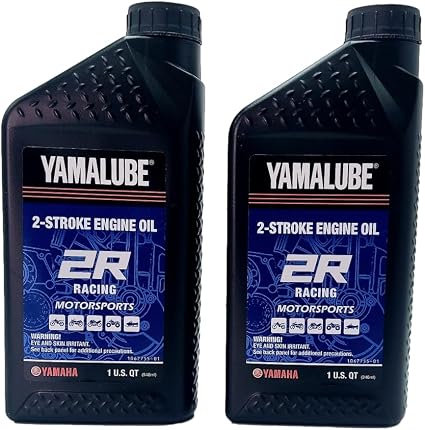
Yamaha Yamalube Racing 2R 2 Stroke Engine Oil fits riders pushing their 2-stroke dirt bikes in competitive environments. It handles tough racing conditions without breaking down, making it a solid option for performance-focused riders needing engine protection under high stress.
Using it means working with a synthetic oil blend designed to reduce friction and manage heat build-up. Pouring is straightforward from the 2-quart container, and the oil stays stable even during continuous hard rides.
The synthetic components help maintain consistency in how the engine feels from start to finish, which matters when you are on rough tracks or long runs.
Performance-wise, it delivers reliable lubrication that helps the engine stay cool and avoid wear, as intended by its design for competition-grade motorcycles. The formula is built specifically to meet the demands of intense use.
One frequent note highlights how well the oil protects during rides in high-temperature conditions. Some users mention the cost being higher than regular oils as a drawback, considering it is more of a niche product for racing.
The oil’s ability to withstand high temperature and constant load stands out clearly. Regular users appreciate how it protects the engine during aggressive rides, but some find the price steep compared to regular oils. That tradeoff fits the product’s focus on competition use rather than casual or everyday riding.
This oil suits riders who need dependable performance in demanding race or high-stress conditions. Those riding mostly for fun or short sessions might prefer more affordable options that meet basic lubrication needs without the specialized formula.
Pros
- Synthetic formula designed for high engine loads
- Reduces friction and controls temperature well
- Specifically formulated for competition motorcycles
- Comes in a practical 2-quart size
Cons
- Priced higher than standard 2-stroke oils
- May be overkill for casual or recreational riders
| Specification | Details |
|---|---|
| Brand Name | YAMAHA |
| Size | 2 Quarts (64 Fluid Ounces) |
| Manufacturer Part Number | LUB-2STRK-R1-12 |
| Model Number | LUB-2STRK-R1-XX |
| Included Components | 2 Quarts of Yamaha Yamalube Racing 2R 2 Stroke Engine Oil |
9. Lucas Oil Semi-Synthetic 2-Cycle Motor Oil

Lucas Oil Semi-Synthetic 2-Cycle Motor Oil suits riders who need reliable engine protection in air-cooled 2-stroke dirt bikes. Its strongest feature is a specially formulated blend that keeps engines running cleaner and extends their life.
It works well for both premix and oil injection systems up to a 50:1 ratio.
Preparing the mix is simple since it blends easily with gasoline at any temperature. It also burns with low smoke, making rides less smoky for others around. The gallon bottle is easy to pour without spills.
Daily maintenance feels straightforward as it reduces engine deposits and fouling, which means fewer cleanings and less engine wear over time.
Performance is solid thanks to a blend of mineral and synthetic oils plus low ash additives. The ashless detergent inhibitor reduces sludge and keeps combustion chambers cleaner. One strong point is its compliance with JASO FD and ISO GD standards, ensuring good lubrication and durability.
Some note the weight of the bottle is light (8 ounces) but expect the oil itself to provide long engine life.
Cleaner burning with reduced fouling receives the most praise while the bulkiness of the gallon bottle is the main complaint. The oil’s effectiveness in combustion and deposit control stands out from typical 2-cycle oils. Users appreciate how it keeps engines running smoothly over many rides. Handling the one-gallon size can be inconvenient if frequent transport or small amounts of oil.
Anyone running an air-cooled 2-stroke dirt bike with oil injection or premix systems up to 50:1 will benefit from this oil’s protective properties. Riders wanting a low-smoke, detergent-enhanced blend find it practical. Those needing smaller bottles or higher concentration mixes might consider alternatives better suited to those needs.
Pros
- Burns clean with low smoke output
- Compatible with oil injection and premix systems
- Contains detergents to minimize engine deposits
- Works well across a range of temperatures
Cons
- Not suitable beyond 50:1 oil to gas ratio
- Only comes in 1-gallon bottle, less travel-friendly
| Specification | Details |
|---|---|
| Formula Type | Semi-synthetic blend |
| Oil to Gas Ratio | Up to 50:1 |
| Standards Met | ISO GD, JASO FD, API TC |
| Size | 1 Gallon (128 Fluid Ounces) |
| Weight | 8 ounces (bottle) |
| Suitable Engine Types | Air-cooled 2-stroke engines |
10. STA-BIL Full Synthetic 2-Cycle Oil

STA-BIL Full Synthetic 2-Cycle Oil is made for 2 stroke dirt bike engines that need dependable lubrication and fuel stabilization. It fits riders who want an oil that reduces smoke and keeps fuel fresh for up to a year.
Its biggest strength lies in combining synthetic oil performance with built-in fuel stabilizer in one easy dose.
Using this oil is straightforward thanks to the one-shot pour size that treats exactly 1 gallon of gas. Mixing at 50:1 or 40:1 ratio works well for various two-cycle engines. Marking the opened date on the bottle helps keep track of freshness since the oil stays good for up to 2 years after opening, making it easy to store between rides.
Performance is consistent with low smoke at startup, helping keep the exhaust cleaner than many other oils. The full synthetic base keeps the engine well lubricated while protecting against ethanol damage thanks to the included fuel stabilizer. Reviews praise its ability to prevent fuel degradation, though some find the 2.6 oz size limits how much fuel it can treat at once.
Strong praise focuses on the effectiveness of the fuel stabilizer, allowing fuel to remain fresh for long periods, which is crucial for seasonal use or occasional riding. The low smoke formula also gets repeated credit for reducing engine smoke during startup. Common complaints include the small size of the bottle, which can be inconvenient for those mixing larger fuel volumes.
This oil fits riders who want reliable fuel preservation and a clean running engine without extra mixing hassle. Those who run large amounts of fuel regularly might prefer a larger container size for convenience. It suits dirt bike enthusiasts prioritizing engine health and clean operation over volume needs.
Pros
- Low smoke formula for cleaner starts
- Includes fuel stabilizer for up to 12 months
- One-shot pour size for easy mixing
- Works at both 50:1 and 40:1 ratios
Cons
- Small bottle limits fuel quantity treated at once
- May require frequent purchase for high usage
| Specification | Details |
|---|---|
| Brand Name | STA-BIL |
| Size | 2.6 fl. oz |
| Mix Ratios | 50:1 / 40:1 |
| Fuel Stability | Keeps fuel fresh up to 12 months |
| Formula Type | Full Synthetic with Fuel Stabilizer |
| Use Longevity after Opening | Up to 2 years |
11. VP Racing 2 Stroke Synthetic Oil

Runs clean and keeps the engine protected even under tough riding conditions. Ideal for serious dirt bike riders who want reliable protection for their two-stroke engines. Strong wear resistance makes it a dependable choice for those who push their bikes hard in off-road settings.
Pouring and mixing with fuel is straightforward thanks to the one-quart bottle size, which fits easily into a tool kit or storage compartment. The synthetic formula means less frequent mixing to avoid residue buildup.
Using it makes maintenance simpler since engine cleanliness improves, reducing the chances of clogged ports or exhaust stains.
It provides solid wear protection and keeps engines cleaner compared to many standard oils. The synthetic base reduces carbon deposits effectively. While the bottle size is convenient, its 1.96-pound weight requires stable storage during transport.
Some users find the price higher than conventional oils, but performance justifies the cost for regular riders.
Wear protection and engine cleanliness stand out as the biggest benefits with this oil. It reduces carbon buildup noticeably, which extends engine life for two-stroke engines. The weight of the bottle and cost pose the main drawbacks, affecting portability and budget for some riders.
Those who ride aggressively and perform regular maintenance will appreciate the cleaner running engine and longer wear intervals. Casual riders or those on tighter budgets might prefer less expensive options. The synthetic oil suits riders who want reliable performance under demanding conditions.
Pros
- Strong engine wear protection
- Keeps engine clean from deposits
- Convenient 1-quart bottle size
- Synthetic formula for better engine health
Cons
- Heavier than some oils for transport
- Higher price point than conventional oils
| Specification | Details |
|---|---|
| Brand Name | VP Racing |
| Model Number | VPF2944 |
| Size | 1 qt |
| Item Weight | 1.96 pounds |
| Included Components | Motor Oil |
| Package Dimensions | 10.16 x 4.8 x 3.23 inches |
12. Klotz R-50 Racing Synthetic Pre-Mix Oil

Klotz R-50 Racing Synthetic Pre-Mix Oil suits riders who mix their own two-stroke fuel and want reliable performance out of their dirt bike engines. Its biggest strength lies in Clean Burn technology that helps reduce carbon residue and build-up, keeping engines cleaner for longer periods.
Using this oil means mixing it directly with gasoline as it is designed solely for premix applications. It is compatible with many off-road bikes like Honda, Yamaha, Kawasaki, and Husqvarna. Handling the oil is simple thanks to its fluid consistency, and it fits well into typical fuel mixing routines without leaving excess deposits, meaning less time cleaning after rides.
The oil performs solidly in protecting the engine and reducing carbon deposits during hard riding sessions. Its synthetic blend keeps engines running smother, but it is strictly not meant for oil injection systems, so users have to premix carefully.
The most common praise highlights cleaner exhaust and reduced plug fouling, while occasional notes mention difficulty in measuring precise oil-to-gas ratios.
Cleaner exhaust and less spark plug fouling come up frequently as major positives. The oil helps maintain performance over multiple rides due to reduced build-up. Difficulty comes in measuring the exact mix ratio, a small but common annoyance for those mixing fuel manually.
A dirt biker who prefers to premix fuel and wants a synthetic oil that reduces engine residue will find this product useful. Those with oil-injected motorcycles or looking for a ready-mix solution should consider alternatives better suited for their setup.
Pros
- Reduces carbon residue effectively
- Compatible with many off-road bike models
- Clear instructions for premix only use
- Keeps engine running smoothly
Cons
- Not suitable for oil injection systems
- Premixing ratios must be measured carefully
| Specification | Details |
|---|---|
| Brand Name | Klotz |
| Manufacturer Part Number | KL-104 |
| Unit Count | 32 Fluid Ounces |
| Item Weight | 16 ounces |
| Model Number | 842-0017 |
| Recommended Use | Premix for off-road 2-stroke engines |
Best Engine Oils for 2 Stroke Dirt Bikes Comparison
| Product | Brand | Size | Warranty | Included Components |
|---|---|---|---|---|
| Maxima K2 Racing Premix | Maxima | 16 fl oz | Manufacturer | Maxima 22916 |
| TRIAX Power Sport 2T | Triax | 1 Quart | Per data sheet | – |
| Castor 927 Premix | Castor 927 | – | – | – |
| Yamaha Yamalube 2R | Yamaha | 1 Quart | – | – |
| Super M Smokeless Premix | Maxima | 64 Ounces | Manufacturer | Maxima 20964 |
| Castor 927 Racing Oil | Castor 927 | – | – | – |
| KTM Cross Power 2T | KTM | 1 Liter | Contact Manufacturer | Oil |
| Yamaha Yamalube 2R Oil | Yamaha | 2 Quarts | – | Yamaha Yamalube Racing 2R |
| Lucas Semi-Synthetic 2T | Lucas Oil | 1 Gallon | – | 1x 1 Gallon Bottle |
| STA-BIL Full Synthetic | STA-BIL | 2.6 fl. oz | 100% Satisfaction | STA-BIL 2-Cycle Oil |
| VP Racing 2 Stroke | VP Racing | 1 qt | Not available | Motor Oil |
| Klotz R-50 Premix | Klotz | 32 fl oz | Manufacturer | Klotz 842-0017 |
- BrandMaxima
- Size16 fl oz
- WarrantyManufacturer
- Included ComponentsMaxima 22916
- BrandTriax
- Size1 Quart
- WarrantyPer data sheet
- Included Components–
- BrandCastor 927
- Size–
- Warranty–
- Included Components–
- BrandYamaha
- Size1 Quart
- Warranty–
- Included Components–
- BrandMaxima
- Size64 Ounces
- WarrantyManufacturer
- Included ComponentsMaxima 20964
- BrandCastor 927
- Size–
- Warranty–
- Included Components–
- BrandKTM
- Size1 Liter
- WarrantyContact Manufacturer
- Included ComponentsOil
- BrandYamaha
- Size2 Quarts
- Warranty–
- Included ComponentsYamaha Yamalube Racing 2R
- BrandLucas Oil
- Size1 Gallon
- Warranty–
- Included Components1x 1 Gallon Bottle
- BrandSTA-BIL
- Size2.6 fl. oz
- Warranty100% Satisfaction
- Included ComponentsSTA-BIL 2-Cycle Oil
- BrandVP Racing
- Size1 qt
- WarrantyNot available
- Included ComponentsMotor Oil
- BrandKlotz
- Size32 fl oz
- WarrantyManufacturer
- Included ComponentsKlotz 842-0017
How to Choose the Right 2 Stroke Engine Oil
Choosing the right 2 stroke engine oil depends mainly on the oil’s compatibility with your bike’s engine and its ability to lubricate under high temperatures. Using the correct oil prevents buildup and reduces wear, which helps avoid costly repairs and keeps the engine running smoothly for longer.
Compatibility with Engine Type
Using oil designed for a four-stroke engine in a two-stroke bike can lead to serious problems like excessive smoke, poor combustion, and engine fouling. Oils formulated specifically for these engines burn cleanly and mix properly with fuel, protecting the piston and cylinder from scoring and keeping deposits low. Look for oils that meet JASO FD or ISO-L-EGD standards, which indicate a cleaner burn and better lubrication.
Daily riding will highlight differences, especially regarding the bike’s cooling system. Air-cooled engines run hotter and need oils with higher thermal stability, while liquid-cooled engines often tolerate oils that focus more on reducing wear and deposits.
Checking your dirt bike model or engine manufacturer’s recommendations is crucial because additives and base oil types vary to match these requirements. Using the right oil means less carbon buildup, easier starting, and longer intervals between top-end rebuilds.
Lubrication and Protection Performance
High engine speeds combined with tough off-road conditions can put significant strain on a dirt bike’s engine. Oils that fail to keep metal surfaces properly lubricated often lead to increased wear, causing parts like the piston and rings to deteriorate faster.
This accelerates the chance of piston seizure or ring sticking, which not only reduces performance but also leads to costly repairs. Effective oils create a consistent film that withstands elevated RPMs and prevent metal-on-metal contact, especially important for high-output two-stroke engines.
This type of oil usually carries specific certifications or ratings for film strength and anti-wear properties. Look for formulas tested against corrosion and heat, as they extend engine life by protecting critical components. Regular use of a high-performance oil ensures smoother throttle response and less engine noise over time.
The difference is clear after just a few rides: engines running on better oils stay cleaner inside and maintain compression better, reducing downtime for maintenance.
Mixing Ratio and Usage Convenience
A common headache with these oils is getting the mixing ratio wrong, especially for riders who prefer to prepare their fuel mixture themselves. Some products call for a 50:1 ratio, others 40:1 or even richer mixes.
Using too little oil risks engine damage, while too much can cause excess smoke and fouling. A clear label stating the recommended oil-to-fuel ratio, like 50:1 or 100:1, saves time and frustration during pit stops or quick refills.
Compatibility with premix or separate injection systems affects everyday convenience. Oils designed for premix can be freely blended with gasoline, while injection-specific formulations suit bikes with on-board oil pumps. Using the wrong type leads to poor lubrication or buildup.
Also, watch how the oil behaves at cold temperatures. Some thicken excessively, making blending tricky and inconsistent.
An oil that stays pourable around 0°C helps maintain a uniform mixture and consistent engine performance during chilly mornings or storage.
Burn Quality and Emissions
Running a two-stroke engine on oil that burns poorly can quickly cause smoke to pour out of the exhaust, leaving sticky residue inside the engine and on the spark plug. This buildup leads to fouling and frequent misfires, forcing you to clean or replace the plug more often than you’d like.
Oils designed for cleaner combustion keep the engine running smoothly by reducing this carbon deposition and extending the time between maintenance checks.
Engines suffering from exhaust port clogging experience power loss and overheating, which shortens their lifespan. Choosing an oil with low ash content and strong detergents helps keep these passages clear, improving reliability in daily rides. Look for TC-W3 certification or similar standards that signal compliance with emission regulations, ensuring your bike not only runs better but produces fewer pollutants.
Additives and Formulation Type
Running an engine on the wrong type of oil can lead to frequent maintenance headaches. I once used a purely mineral-based product and noticed faster buildup of deposits and engine knocking after just a few rides. Synthetic and semisynthetic oils offer better protection through additives that combat wear and oxidation, meaning the engine runs cleaner and lasts longer.
For daily use, synthetic blends strike a good balance between performance and cost, especially if the bike sees varied temperatures and usage intensities.
Oil containing antiwear, antioxidant, and detergent additives keeps the engine parts lubricated, prevents corrosion, and stops sludge formation. An oil with proven certifications like JASO FD or ISO-L-EGD ensures these qualities are present, making a clear difference in engine smoothness and durability over time. For long-term storage, check the oil’s stability rating, products with antioxidant additives will resist breakdown and maintain effectiveness beyond a year without special conditions, which matters if you don’t ride year-round.
Proper Mixing Ratios and Techniques for Optimal Performance
Mixing the oil and fuel correctly is critical for a 2-stroke dirt bike’s engine health and performance. The most common ratio is 50:1, meaning 50 parts gasoline to 1 part oil, but double-check your bike’s manual for the exact specification. Using too little oil leads to engine wear, while too much can cause carbon deposits and fouling.
Here’s a straightforward way to mix:
- Measure the fuel volume accurately, use a clean container designed for fuel mixing.
- Pour the recommended amount of 2-stroke oil into the fuel first.
- Add gasoline slowly to avoid splashing and ensure proper mixing.
- Shake the container gently to blend the two thoroughly.
Avoid mixing directly in the bike’s tank, as inconsistent mixing can starve the engine or create excess smoke. Consistency in your mixing routine extends engine life and maintains smooth running.
How Synthetic and Mineral Oils Compare in 2-Stroke Engines
Synthetic oils typically provide cleaner combustion in 2-stroke engines compared to mineral oils. This happens because synthetic formulas contain fewer impurities, which helps reduce carbon buildup on pistons and exhaust ports.
Key differences include:
- Lubrication: Synthetic oils maintain a more stable viscosity at varying temperatures, protecting engine components during both cold starts and high-heat operation.
- Engine wear: The consistent film strength of synthetic oils reduces metal-to-metal contact, potentially extending engine life.
- Fuel efficiency: Synthetic oils burn cleaner and can slightly improve fuel economy by leaving fewer deposits.
- Cost and availability: Mineral oils are usually less expensive and easier to find, but they break down faster during ride sessions.
Choosing between synthetic and mineral oils depends on your riding habits and budget. For frequent dirt bike users who prioritize maintenance intervals, synthetics tend to offer better protection.
Common Mistakes When Using 2-Stroke Oil and How to Avoid Them
Mixing the wrong ratio of oil to gasoline is a frequent error that leads to poor engine performance or damage. Most 2-stroke dirt bikes require a specific ratio, often around 50:1, but this can vary based on the bike and oil type.
Using too much oil causes excessive smoke and fouling, while too little oil risks overheating and seizure.
Incorrect oil type also causes trouble. Some oils designed for other engines don’t burn clean or lubricate properly in a 2-stroke dirt bike.
Make sure the oil matches the manufacturer’s specifications and is marked for two-stroke engines.
- Always measure gasoline and oil precisely with a dedicated container.
- Use oil formulated for high-performance 2-stroke engines to reduce deposits and maintain power.
- Mix only enough fuel for the day’s riding to prevent degradation over time.
Following these steps prevents costly repairs and keeps the bike running smoothly over rough trails and extended rides.
People Also Asked
What Type of Engine Oil Is Safe for 2 Stroke Dirt Bikes?
A high-quality 2 stroke engine oil designed for air-cooled or water-cooled dirt bike engines is safe for 2 stroke dirt bikes. Use oil specifically labeled for 2 stroke engines to ensure proper lubrication without excessive smoke or deposits.
How Do I Know If 2 Stroke Oil Fits My Dirt Bike?
Check the owner’s manual or the oil container for compatibility with your dirt bike model. Some oils specify whether they are suitable for premix or oil injection systems, which is crucial for proper use.
How Long Does 2 Stroke Engine Oil Last in Dirt Bikes?
The oil itself mixes and burns with the gasoline during engine operation, so it lasts only while the fuel is being used. Regularly mixing the correct ratio of oil to fuel (usually 1:50 or 1:40) ensures consistent protection with every tank.
Can Using Wrong Oil Damage My 2 Stroke Dirt Bike Engine?
Using the wrong oil can cause excessive smoke, poor lubrication, and increased engine wear, potentially leading to engine seizure. Avoid mixing automotive or 4-stroke oils that are not formulated for 2 stroke engines.
What Are Common Problems from Improper 2 Stroke Engine Oil Use?
Common problems include clogged spark plugs, piston ring damage, and deposit buildup on the exhaust port and piston crown. Consistently using the correct oil ratio and type helps prevent these issues and maintains engine performance.
Conclusion
Choosing the right engine oil for a 2 stroke dirt bike comes down to a few key points. Make sure the oil offers proper lubrication to reduce engine wear, protects against deposits and buildup, and suits the type of riding you do, whether that’s casual trail riding or aggressive motocross. Paying attention to oil viscosity and compatibility with your bike’s requirements is crucial to keep the engine running smoothly.
Consider how often you ride and your storage space when selecting oil size and type, as some oils come in larger containers that last longer but take up more room. Your budget also plays a role, as higher-quality oils may cost more but help prevent costly repairs.
Check back at the comparison table and the picks listed earlier to match your needs most effectively.

Hi, I’m Garrett Winslow, a bike enthusiast who enjoys exploring different types of bicycles, from everyday commuter bikes to mountain bikes and road bikes. I love learning about bicycle components, riding accessories, maintenance techniques, and gear that makes cycling more comfortable and enjoyable. Through my writing, I aim to share practical tips and useful insights to help fellow cycling enthusiasts choose the right bikes, maintain their bicycles, and get the most out of every ride.