Riding through sandy dunes with a cheap or wrong dirt bike tire can quickly turn frustrating. A bad tire for desert conditions often loses traction in the loose sand, causing you to get stuck or slide unexpectedly. The best dirt bike tire for desert riding cuts through the sand rather than riding on top of it, giving consistent grip and control on tricky terrain.
The key to a good desert tire lies in the tread design and rubber compound. Knobby tires with widely spaced lugs allow sand to fall off instead of packing in, preventing clogging.
Typically, tires around 21 inches in diameter and 80 to 100 psi of recommended pressure help balance floatation and stability. Durable, heat-resistant rubber resists wear from hot desert surfaces and sharp rocks. These factors combine to keep handling predictable and reduce the chances of flats.
Need a Quick Check?
| Image | Product | Price |
|---|---|---|
Our Top Picks 1  | Maxxis Maxxcross Front | Check Price |
Our Top Picks 2  | Tusk EMEX T-45 Tire | Check Price |
Our Top Picks 3  | Tusk EMEX T-35 Set | Check Price |
Our Selected Top 12 Dirt Bike Tire for Desert Riding Worth Considering
This list includes various dirt bike tires designed specifically for desert conditions, focusing on their traction, durability, and handling on sandy terrain. Each review explains how the tire performs, the type of rider it fits best, and highlights its strengths and drawbacks.
1. Maxxis Maxxcross Desert IT Front Tire 80/100-21
Riders tackling rocky and sandy desert terrain will find the Maxxis Maxxcross Desert IT Front Tire 80/100-21 built to handle those conditions. Its biggest strength lies in a specially designed rubber compound that resists chipping and cuts, making it last longer on rough grounds.
Anyone who spends lots of time in tough desert conditions will find its durability useful.
Setting the tire up involves dealing with a stiffer carcass, which helps reduce sidewall flex and lowers the chance of pinched tubes during installation and riding. The tall knob design bites well into sand, providing better traction when the soil gets loose. It’s a tube-type tire, so you’ll need to pair it with an inner tube and check for proper seating to avoid air leaks.
Grip in sandy patches holds strong and the tire stands up on rocks thanks to the durable compound. The stiff carcass keeps it from feeling mushy or squirmy, which helps control.
Reports say it stands up to desert abuse, though some find the stiff sidewall makes the ride slightly harsher. Traction and toughness are praised, while ride comfort takes a small hit.
Maxxis Maxxcross Desert IT Front Tire offers solid durability in harsh desert and rocky conditions due to its special compound that cuts back on chipping and cutting. Tall knobs provide reliable traction in sandy terrain, and the tire’s stiffer carcass keeps flex low, helping avoid pinched tubes. Some find the tire a bit stiff for softer surfaces, which might make.
Riders tackling mostly sandy or rocky trails will find this tire worth considering for its toughness and grip. Those frequently riding in softer dirt or muddy conditions might want to look at tires designed with more flexible carcasses for better surface adaptability. The tire’s tube-type design suits traditional setups but could be less convenient for those preferring tubeless options.
Pros
- Durable compound resists chipping and cutting
- Tall knobs improve traction in sandy conditions
- Stiff carcass reduces chances of pinched tubes
- Handles rocky terrain without quick wear
Cons
- Stiff sidewall can cause a harsher ride
- Tube type requires inner tube installation
| Specification | Details |
|---|---|
| Size | 80/100-21 |
| Type | Tube Type |
| Item Weight | 8.3 pounds |
| Brand | Maxxis |
| Model Number | TM88187100 |
2. Tusk EMEX T-45 Intermediate/Hard Terrain Tire
Tusk EMEX T-45 rear tire suits riders tackling intermediate to hard terrain like packed dirt and rocky trails. It stands out with aggressive tread and reinforced knobs, offering solid grip and stability for desert dirt biking. It fits most 19 rear wheels and focuses on durability and control in tough conditions.
Setting up the tire on the wheel is straightforward since it comes in the standard 100/90×19 size. The tread design sheds mud quickly, which helps maintain traction when the trail switches between dry and slightly soft surfaces. Reinforced side knobs add confidence when leaning into corners without feeling the tire flex too much.
It stays cleaner longer on rough tracks, reducing the need to stop and clear the tread.
Ride performance holds up well on hard, uneven desert ground where grip matters most. Durability benefits from bridged knobs that resist wear and improve cornering stability. The tire’s build weighs 17.4 pounds, striking a decent balance between toughness and handling.
The strongest praise highlights how well it grips on rocky terrain. The main complaint relates to its weight, which can make acceleration feel a bit sluggish compared to lighter tires.
The Tusk EMEX T-45 grips well on hardpack and rocky trails, thanks to its aggressive tread and reinforced side knobs that help with cornering stability. The knobs do a good job reducing flex during rough rides. A common gripe is the tread wears down quicker than expected when used extensively on mixed terrain, especially on softer surfaces.
Riders who spend most of their time on intermediate to hard-packed trails will find this tire fits their needs well. Those tackling softer mud or deep sand might want something with a more open tread pattern for better flotation. The tire suits bikes requiring a 19-inch rear well but might not be ideal for exclusively soft terrain riders.
Pros
- Strong grip on hardpack and rocky trails
- Reinforced side knobs improve cornering stability
- Effective self-cleaning tread reduces mud buildup
- Good value for race-inspired performance
Cons
- Heavier weight slows acceleration slightly
- Limited to 19″ rear wheels only
| Specification | Details |
|---|---|
| Size | 100/90×19 |
| Weight | 17.4 pounds |
| Terrain Type | Intermediate to Hard Terrain |
| Tread Feature | Self-cleaning design, bridged side knobs |
| Intended Use | Dirt Bike, Motocross, Trail, Enduro, Off-Road |
3. Tusk EMEX T-35 Front and Rear Tire Set
Riding on sandy or loose desert terrain requires tires that dig in without wearing down fast. Tusk EMEX T-35 Front and Rear Tire Set fits riders who take on soft to intermediate dirt trails and need reliable traction. Its biggest strength is an aggressive tread pattern that handles shifting surfaces well.
Setting up these tube-type tires is straightforward for anyone familiar with off-road bike maintenance. The front 90/100×21 and rear 120/90×18 sizes match standard dirt bike rims, making the mounting process smooth. Daily riding benefits from the aggressive deep tread, delivering grip on loose dirt and hard-packed trails.
The durable rubber resists damage from rocks and rough surfaces, so you spend less time checking for cuts or chunks coming off.
Traction during cornering and braking stands out on sand and loam. The bias construction holds well under the bike’s weight, up to 1005 pounds load capacity.
A common positive note is the long lifespan despite rough conditions. On the downside, some riders report the tube setup requires more maintenance than tubeless tires, especially for puncture repairs.
Tusk EMEX T-35 tires offer solid traction on soft to intermediate terrain like sand and loose dirt, making them suitable for a variety of off-road conditions. Their aggressive tread grips well during braking and cornering. The tube-type design eases mounting and tube repairs, though some find the rear tire wears faster than expected under heavy use.
Those who frequently ride on desert trails with mixed surfaces will appreciate the grip and durability. Riders who encounter mostly hard-packed or rocky terrain might want to consider other options designed for tougher conditions, as the softer compound may wear more quickly in those environments.
Pros
- Excellent traction on sand and loose dirt surfaces
- Durable rubber resists wear and chunking
- Tube-type design simplifies tube repairs
- Aggressive tread improves cornering and braking grip
Cons
- Tube-type tires need more frequent puncture maintenance
- Not tubeless, which may limit air retention options
| Specification | Details |
|---|---|
| Front Tire Size | 90/100×21 |
| Rear Tire Size | 120/90×18 |
| Load Capacity | 1005 pounds |
| Speed Rating | M |
| Construction Type | Bias |
| Tread Type | Non-Directional |
4. Maxxis Desert IT Tire 110/100-18

Maxxis Desert IT Tire 110/100-18 fits riders tackling sandy and diverse desert tracks year-round. Its standout feature is the rigid construction that stops flex, so you avoid tube pinches when riding over rough spots.
Ideal for racers and weekend desert explorers focused on traction and durability.
Setting up the tire on an 18-inch rim is straightforward thanks to its solid shape. The stiff sidewalls hold the tire steady, making inflation easier without worrying about pinching the tube.
Daily rides on sandy trails show the high knobs grip well and maintain traction on soft surfaces. Cleaning the knobs after dusty rides is simple because they don’t trap too much dirt.
Performance shines through in sandy races where the knobs dig in for steady acceleration and cornering. The tire compound offers long life across multiple desert terrains, from loose sand to harder ground.
A common compliment is how the tire lasts longer than expected. On the downside, some note the rigid design can feel less forgiving over rocky sections.
Maxxis Desert IT Tire 110/100-18 stands out for its rigid construction, which keeps the tire from flexing and causing tube pinches. High knobs provide good grip, especially in sandy conditions, making it reliable for desert races. The compound lasts long and handles various desert terrains well. Some people find the tire a bit stiff on rough trails, limiting comfort on.
Riders who mostly tackle sandy desert tracks will appreciate the traction and durability of this tire. Someone tackling mixed or rocky trails might want a softer tire for better shock absorption. The tire fits well for those wanting solid performance on loose, deep sand but less so for riders needing more flexible options for diverse terrain challenges.
Pros
- Rigid build prevents tube pinches
- High knobs provide solid traction
- Durable compound lasts on rough desert terrain
- Works well year-round in desert conditions
Cons
- Rigid construction can reduce comfort on rocky ground
- Slightly stiff feel during extended rides
| Specification | Details |
|---|---|
| Rim Size | 18 inches |
| Seasons | Year Round |
| Tire Width | 110/100 |
| Construction | Rigid |
| Knobs | High for traction |
5. Maxxis M7304 Maxxcross IT Front Tire 80/100-21

A front tire made with an advanced rubber compound and reinforced sidewall suits desert riders who need strong traction on loose sand and rocky terrain. Its unique knob design stands out for maintaining control and stability during high-speed desert runs.
Mounting the 80/100-21 size tire on a 21-inch rim follows standard procedures for tube type tires, which makes changing or repairing tubes straightforward. The tire performs well in dry desert conditions thanks to the reinforced sidewalls that help resist punctures and hold firm on uneven surfaces. Daily cleaning usually involves hosing off dust and sand, which the rubber compound handles without visible wear.
The tire delivers solid grip in straight lines and does not easily wash out on corners, making cornering more confident in loose desert terrain. The main strength is the consistent traction provided by the specially designed knobs.
A reported downside involves the knobs wearing faster than expected under very rocky routes, which can reduce off-road life. The load rating supports heavier bikes, giving good durability for desert rides.
Maxxis M7304 Maxxcross IT Front Tire offers solid traction thanks to its unique knob design, which grips well in many conditions, especially sandy or loose terrain. Reinforced sidewalls provide good stability during turns, and the rubber compound improves straight-line control. Some find it takes a few rides to break in fully, and occasional firmness can affect comfort on rough trails.
Riders tackling desert dunes or loose dirt will appreciate the handling and durability. Those who need maximum cushioning or softer tires for very rocky trails might want to consider options with more sidewall flex. The tire fits well on standard dirt bikes using tube-type setups and handles torque well under common off-road conditions.
Pros
- Advanced rubber compound improves straight-line traction
- Reinforced sidewall resists punctures effectively
- Unique knobs offer stable handling in desert sand
- Accepts standard 21-inch rims for easy fitment
Cons
- Knobs wear faster on rough rocky trails
- Requires inner tube maintenance and occasional checks
| Specification | Details |
|---|---|
| Rim Size | 21 inches |
| Load Index | 51 |
| Speed Rating | H |
| Tread Type | Non-Directional |
| Construction Type | B |
| Tube Type | Yes |
6. Scoop36 Sand Mud Dirt Bike Tire with Inner Tube

Designed specifically for desert riding, the Scoop36 Sand Mud Dirt Bike Tire with Inner Tube suits riders tackling sandy motocross tracks. Its standout feature is the rigid lateral traction scoops on each side, which keep grip firm even at steep lean angles in loose sand.
Setting up the tire involves fitting the heavy-duty 2.5mm butyl inner tube with a TR4 valve stem, which provides a solid seal against punctures. The tread uses three-piece paddle blocks that flex enough to push debris out automatically, saving the hassle of constant cleaning between runs. It holds pressure well and remains flexible in desert heat without cracking.
The tire excels at maintaining traction on shifting sand thanks to its lateral scoop blocks. The durable intermediate compound balances grip with wear resistance, even on rough tracks. One common complaint involves the weight, as the tire and tube together weigh 16 pounds, making handling harder at times.
The tread design releases debris effectively but can collect larger clumps that need manual removal.
Lateral traction scoops on each side grip well during sharp turns on sandy tracks, offering steady control even at high lean angles. The three-piece paddle tread flexes enough to shed mud and debris, keeping traction reliable. Durability holds up well on rough off-road surfaces, though some notice the tire can feel heavier than expected during longer rides.
Riders who spend most time on sand motocross tracks will find this tire performs solidly, especially with the heavy-duty inner tube adding puncture resistance. Those venturing into mixed terrain or hard-packed dirt might want tires that handle a wider variety of surfaces more comfortably. This tire is best suited for focused desert riding rather than all-around off-road use.
Pros
- Strong lateral grip at high lean angles
- Auto-release tread reduces debris build-up
- Durable 2.5mm thick inner tube included
- Intermediate compound balances grip and wear
Cons
- Heavier weight can make handling more tiring
- Larger debris sometimes sticks between paddle blocks
| Specification | Details |
|---|---|
| Brand Name | WIG Racing |
| Weight | 16 pounds |
| Inner Tube Thickness | 2.5mm butyl |
| Valve Stem | TR4 valve stem |
| Color | Black |
| Intended Use | Sand motocross tracks, off-road only |
7. Maxxis M7304D Maxxcross Desert IT Front Tire
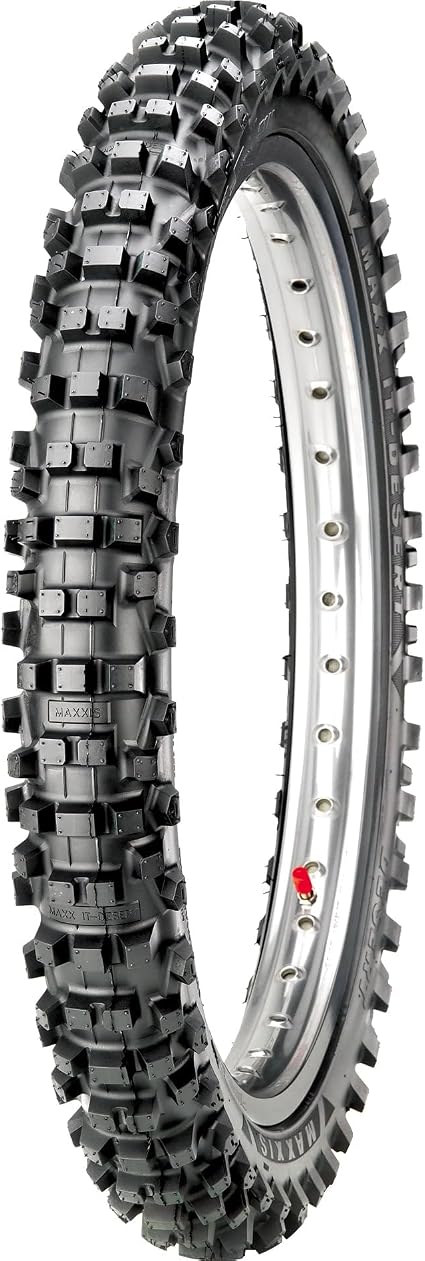
Designed for desert conditions, the Maxxis M7304D Maxxcross Desert IT Front Tire fits riders who need a more durable front tire that handles rocky terrain without frequent damage. Its standout feature is a compound that limits chipping and cutting, making it a solid choice for demanding desert rides.
Mounting the tire on a 21-inch rim is straightforward, and it stays in place thanks to its specific vehicle fit. The non-directional tread pattern means you can mount it either way without affecting performance. Daily spinning on sandy tracks shows that the tire holds up well under different desert surfaces, offering steady grip and manageable handling.
Cleaning off dirt is simple since the pattern doesn’t trap mud and dust excessively.
Durability is the highlight during rides, where the tire resists wear better than many competitors. The special compound cuts down the usual chipping and slicing that desert rocks cause. Customers praise its toughness but point out that the load capacity of 27 pounds might limit heavy gear or riders pushing the weight limits.
The tread design suits year-round conditions, but some notice it wears faster if used aggressively on rougher rocks.
Maxxis M7304D Maxxcross Desert IT Front Tire holds up well against sharp rocks and rough desert trails due to its tough compound. It shows less wear and fewer cuts compared to standard tires in harsh conditions. Some people find it a bit stiff on smoother terrain, which might affect handling if you ride outside rocky or desert environments.
Riders who spend a lot of time in dry, rocky deserts will find the tire durable and reliable for long rides. Those hitting mostly soft or muddy trails may want a tire with softer knobs for better grip and comfort. The tire’s design favors hard, abrasive surfaces rather than casual off-road or mixed conditions.
Pros
- Durable compound reduces chipping and cutting
- Non-directional tread allows flexible mounting
- Fits standard 21-inch front rims
- Maintains grip on sandy and rocky surfaces
Cons
- Load capacity of 27 pounds may limit use
- Tread can wear faster on very rough terrain
| Specification | Details |
|---|---|
| Rim Size | 21 inches |
| Load Capacity | 27 pounds |
| Load Index | 27 |
| Speed Rating | M |
| Tread Type | Non-Directional |
| Seasons | Year Round |
8. Maxxis Maxxcross Desert IT M7305D Rear Tire 110/90-19

Riding through sandy dunes and rocky desert trails calls for a tire that handles heat and rough terrain without wearing out quickly. Designed for serious desert riders, this tire excels at lasting long while offering solid traction on loose sand.
Its biggest strength is keeping stability even at high speeds on unpredictable surfaces.
Mounting on a 19-inch rim matches common dirt bike setups for desert conditions. The bias ply build with a stiffer carcass limits flex and helps prevent pinched tubes, which matters during aggressive riding.
You can expect the tall knobs to bite into sand effectively. Daily pressure checks are easy with a 35 psi max rating, helping maintain grip and control in shifting terrain.
Traction on sand and rocky patches holds up well thanks to the asymmetrical tread design. The compound reduces wear from chipping and cutting, keeping the tire reliable over longer rides.
A frequent compliment is how durable it feels even after rough use. Some users find the tire a bit stiff initially, which may affect comfort on hard surfaces.
Maxxcross Desert IT rear tire is built to handle high speeds and extreme heat common in desert conditions. Its tall knobs dig in well on sand, providing reliable traction, while the stiffer carcass lowers the risk of pinching tubes during rough rides. Some find the tire a bit stiff on hard surfaces, which can make it less comfortable on varied.
Riders who spend most of their time on sandy trails and rocky deserts will benefit from this tire’s durability and grip. Those who ride mainly on softer or mixed surfaces might want a tire that offers more flexibility and comfort, as the stiffer design here can feel harsh outside desert environments.
Pros
- Stiffer carcass reduces tube pinching
- Tall knobs improve sandy terrain traction
- Durable compound resists cuts and chips
- Suitable for high-speed desert riding
Cons
- Tire feels stiff on hard surfaces
- Maximum pressure (35 psi) may limit some setups
| Specification | Details |
|---|---|
| Rim Size | 19 inches |
| Load Capacity | 992 pounds |
| Maximum Pressure | 35 psi |
| Load Index | 62 |
| Construction Type | Bias Ply |
| Tread Type | Asymmetrical |
9. Maxxis MaxxCross Desert-IT M7305D Rear Tire

A tire with a tall knob design made for sandy terrain suits riders who spend long days in the desert. Its extra durable compound stands out, focusing on resisting cuts and chips on rocky patches. Stiffer build also lowers the risk of pinching the tube during tough rides.
Mounting the tire on an 18-inch rim is straightforward thanks to its universal fit type. The radial construction helps keep the shape stable while racing on loose sand.
Daily pressure checks to stay within 36 psi are necessary to avoid tire wear. The tall knobs dig into soft surfaces, which adds grip but can feel a bit aggressive when cornering on harder dirt.
Traction in loose sand is impressive due to the knob layout, which keeps you moving instead of spinning out. The stiffer carcass construction reduces sidewall flex, helping prevent pinch flats during hard landings or tight turns. Most riders praise its durability for desert trails but mention that the tire feels stiff initially, which can affect comfort.
It is also non-directional, simplifying installation but requiring extra attention to tire wear patterns.
Maxxis MaxxCross Desert-IT M7305D offers a tough compound built to resist chipping and cutting on rocky or desert terrain. Tall knobs provide solid grip in loose sand, helping with traction during fast rides. A stiffer carcass reduces flex and lowers the risk of pinched tubes. Some mention the tire feels heavier than expected, which might slow acceleration slightly.
Riders often tackling harsh desert conditions will find these tires durable and reliable for rough ground. Those focusing on lightweight performance for track racing or smoother trails might want to consider a tire designed for less aggressive terrain, where lower weight and softer compounds deliver better speed and handling.
Pros
- Durable compound resists cuts and chips
- Tall knobs improve traction on sand
- Stiffer carcass reduces tire flex
- Universal fit for 18-inch rims
Cons
- Stiff feel lowers comfort on rough trails
- Aggressive knobs wear faster on hard dirt
| Specification | Details |
|---|---|
| Rim Size | 18 inches |
| Maximum Pressure | 36 psi |
| Tread Type | Non-Directional |
| Load Index | 77 |
| Load Range | M |
| Construction Type | Radial |
10. Maxxis M7305D Maxxcross Desert IT Rear Tire 120/90-19
Riders tackling rocky trails or desert dunes will appreciate a tire that resists damage and holds traction. Designed as a rear tire for dirt bikes, it stands out due to its durability in harsh desert conditions. The key strength lies in a compound that minimizes chipping and cutting, extending its service life.
Setting the tire up involves mounting it on a 19-inch rim with the tube type construction typical of off-road setups. You can expect a firm feel thanks to a stiffer carcass that controls flex and reduces the risk of pinched tubes.
The tall knobs bite well into loose sand or rocky terrain, making daily adjustments to tire pressure important to match riding demands. Being rated for up to 66 psi means you can fine-tune firmness against the trail conditions.
Traction is solid due to the tall knob design, which helps maintain grip in sand and uneven surfaces. The tire’s radial construction and reinforced sidewalls contribute to its durability, though some riders have noted the tube type can complicate repairs compared to tubeless options. While the tougher compound reduces cuts and chips, the stiffer build might feel a bit harsh in less demanding conditions.
Maxxis M7305D Maxxcross Desert rear tire handles rocky and desert terrain with a compound that resists chipping and cuts. The stiffer carcass keeps the tire from flexing too much, reducing pinched tubes. Tall knobs offer solid traction on loose surfaces, though some may find the tire a bit stiff on softer ground, affecting comfort.
Riders who often tackle harsh desert trails will appreciate the durability and grip. Those who spend more time on softer dirt or need a more flexible tire could find better options elsewhere. Matching the tire to terrain type matters for both performance and ride feel.
Pros
- Durable compound resists desert cuts and chips
- Tall knobs deliver dependable traction in sand
- Stiffer carcass reduces risk of pinched tubes
- Radial build supports heavy loads well
Cons
- Tube type setup can complicate quick repairs
- Stiffer feel may reduce comfort on smoother trails
| Specification | Details |
|---|---|
| Rim Size | 19 inches |
| Load Index | 112 |
| Speed Rating | M |
| Maximum Pressure | 66 psi |
| Load Capacity | 1653 pounds |
| Construction Type | Radial |
11. Tusk Recon Hybrid Off-Road Motorcycle Tire

Made for riders who want a tire that can handle desert rides all year, this model balances grip and durability better than many others. It suits those tackling rough sand and hard terrain.
Its biggest strength lies in the rubber compound that sticks well but also lasts through tough rides.
Setting it up on a 21-inch rim is straightforward thanks to its universal fit. The 100-millimeter width provides enough surface area to dig into loose sand without bogging down. Daily use reveals that it holds up against wear without getting too soft or slick, making it reliable on long desert trails.
The non-directional tread means you don’t need to worry about orientation when swapping tires.
Built as a hybrid off-road tire, it manages the balance between soft grip and long wear well on varied desert surfaces. The rubber compound stays sticky in dry conditions but doesn’t wear out after several rides. Some riders note it can feel less aggressive in deep sand compared to more specialized tires, yet it performs consistently.
The most common complaint is it can carry more dirt in the tread, requiring regular cleaning to maintain traction.
Tusk Recon Hybrid tires have a 100mm section width that handles well on mixed terrain, combining softer rubber for grip with a durable compound to resist wear. The tire handles desert trails without losing traction easily, though some might find it wears quicker under constant hard use. Cleaning after dusty rides takes a bit of effort due to the sticky.
People who ride mostly on dirt and desert trails will find the tread pattern works well for those environments. Riders chasing pure speed on hard-packed tracks may want a tire that offers less rolling resistance and longer tread life. Those focused solely on rocky or muddy terrain could do better with a dedicated tire specialized for those conditions.
Pros
- Soft, sticky rubber compound for grip
- Designed for long wear in tough conditions
- Universal fit eases mounting on 21-inch rims
- Non-directional tread offers versatile setup
Cons
- Tread can trap dirt, needs cleaning
- Less effective traction in deep sand
| Specification | Details |
|---|---|
| Rim Size | 21 inches |
| Section Width | 100 millimeters |
| Load Capacity | 18.8 pounds |
| Load Range | M |
| Tread Type | Non-Directional |
| Season | Year Round |
12. Tusk Dsport Adventure Tire 130/90-18

Tusk Dsport Adventure Tire 130/90-18 fits riders who need a reliable desert tire for their dirt bike. Its biggest strength lies in the directional tread pattern that handles sandy and rough surfaces well. Suited for riders who want a tire that balances durability and grip on desert terrain.
Mounting the tire on an 18-inch rim is straightforward with its specific vehicle fit design. Setting it up requires basic tools, and daily rides show the bias ply construction stands up to harsh desert conditions. The year-round usability means the tire stays in good shape under sun and heat without frequent replacements or special care.
Performance-wise, the directional tread offers solid traction in loose sand and rocky patches commonly found in deserts. The load capacity of 716 pounds supports heavy riding loads without noticeable deformation.
Reviews note the tire’s tread wears evenly over time, but some find it less responsive on wet or soft mud surfaces. The bias ply build is sturdy, though some say it could feel slightly stiff compared to radial tires.
Tusk Dsport Adventure Tire 130/90-18 offers solid grip on sandy terrain, making it a reliable choice for desert trails. The tire’s tread design digs well into loose surfaces, providing steady traction. Some find the rubber compound wears faster than expected, especially after extensive rocky use, which can require more frequent replacements during long desert rides.
Riders who spend most of their time on soft, sandy desert trails will find this tire dependable for maintaining control and stability. Those tackling harsher rocky or mixed terrain might want a tire with tougher wear resistance for longer life. It fits well on many dirt bikes sized for hard desert riding but may not suit heavy use on rough.
Pros
- Directional tread improves grip on sandy terrain
- Durable bias ply construction handles rough conditions
- Supports heavy loads up to 716 pounds
- Works well in various weather across seasons
Cons
- Less responsive in wet or muddy conditions
- Tire stiffness may feel high compared to radial options
| Specification | Details |
|---|---|
| Rim Size | 18 inches |
| Load Index | 69 |
| Load Capacity | 716 pounds |
| Tread Type | Directional |
| Construction Type | Bias Ply |
| Seasons | Year Round |
Best Dirt Bike Tires for Desert Riding Comparison
| Product | Terrain Suitability | Rim Size | Construction Type | Key Durability Feature |
|---|---|---|---|---|
| Maxxis Maxxcross Front | Desert, Rocky | – | Tube Type | Reduces chipping, cutting |
| Tusk EMEX T-45 Tire | Intermediate, Hard Terrain | 19 inches | – | Reinforced side knobs |
| Tusk EMEX T-35 Set | Soft to Intermediate | 21 inches | Bias | Durable rubber compound |
| Maxxis Desert IT 110/100-18 | Desert | 18 inches | – | Rigid, reduces flex |
| Maxxis M7304 Front | Various Conditions | 21 inches | Tube Type | Reinforced sidewall |
| Scoop36 Sand Mud Tire | Sand | – | – | Durable intermediate compound |
| Maxxis M7304D Front | Desert, Rocky | 21 inches | – | Reduces chipping, cutting |
| Maxxis M7305D Rear 110/90-19 | Desert | 19 inches | Bias Ply | Reduces pinched tubes |
| Maxxis Maxxcross Rear | Desert, Rocky | 18 inches | Radial | Stiffer carcass design |
| Maxxis M7305D Rear 120/90-19 | Desert, Rocky | 19 inches | Radial | Reduces pinched tubes |
| Tusk Recon Hybrid Tire | Off-road Hybrid | 21 inches | Hybrid | Max wear compound |
| Tusk Dsport 130/90-18 | – | 18 inches | Bias Ply | – |
- Terrain SuitabilityDesert, Rocky
- Rim Size–
- Construction TypeTube Type
- Key Durability FeatureReduces chipping, cutting
- Terrain SuitabilityIntermediate, Hard Terrain
- Rim Size19 inches
- Construction Type–
- Key Durability FeatureReinforced side knobs
- Terrain SuitabilitySoft to Intermediate
- Rim Size21 inches
- Construction TypeBias
- Key Durability FeatureDurable rubber compound
- Terrain SuitabilityDesert
- Rim Size18 inches
- Construction Type–
- Key Durability FeatureRigid, reduces flex
- Terrain SuitabilityVarious Conditions
- Rim Size21 inches
- Construction TypeTube Type
- Key Durability FeatureReinforced sidewall
- Terrain SuitabilitySand
- Rim Size–
- Construction Type–
- Key Durability FeatureDurable intermediate compound
- Terrain SuitabilityDesert, Rocky
- Rim Size21 inches
- Construction Type–
- Key Durability FeatureReduces chipping, cutting
- Terrain SuitabilityDesert
- Rim Size19 inches
- Construction TypeBias Ply
- Key Durability FeatureReduces pinched tubes
- Terrain SuitabilityDesert, Rocky
- Rim Size18 inches
- Construction TypeRadial
- Key Durability FeatureStiffer carcass design
- Terrain SuitabilityDesert, Rocky
- Rim Size19 inches
- Construction TypeRadial
- Key Durability FeatureReduces pinched tubes
- Terrain SuitabilityOff-road Hybrid
- Rim Size21 inches
- Construction TypeHybrid
- Key Durability FeatureMax wear compound
- Terrain Suitability–
- Rim Size18 inches
- Construction TypeBias Ply
- Key Durability Feature–
How to Choose the Right Desert Dirt Bike Tire
Look for tires with durable tread patterns that grip well on loose sand and rocky terrain. Choosing the right tire size and compound improves handling and reduces wear, preventing frequent replacements and costly repairs from unexpected punctures or poor traction.
Tread Pattern and Design
Riding on loose desert sand highlights how critical the tread shape can be. Flat or shallow patterns often lead to slipping and spinning wheels, frustrating any effort to pick up speed. Deeper, more aggressive knobs dig into the sand better, providing steady forward motion without constant wheel spin.
Shapes that spread out the surface contact also help with steering, keeping control in softer patches.
Spacing between knobs plays a major role in preventing sand from packing into the tire. Tires with closely spaced tread fill up quickly, reducing traction and making cleaning a chore after each ride.
Wider gaps let loose dirt fall away naturally, so riding remains consistent and less work is needed to maintain performance. Tread depths around 8-12 millimeters suit desert conditions nicely, balancing grip with self-cleaning and durability.
Durability and Material Composition
Riding through desert trails beats up tires faster than you’d expect. The combination of coarse sand and sharp rocks wears down ordinary rubber quickly.
High-quality tires use rubber compounds specially formulated to resist abrasion and dissipate heat. This means the tire holds its grip longer and doesn’t soften from rising temperatures after long rides. Tires that don’t account for these factors end up with deep cuts or flat spots after just a handful of outings.
Sidewall durability makes a big difference too. The desert hides obstacles like cactus spines and jagged stones that can puncture weak sidewalls. Look for tires with reinforced sidewalls or thicker layers of tough rubber.
Over a season, these protect against unscheduled stops and costly repairs. Tire longevity in dry, harsh conditions depends on finding this balance of abrasion resistance and sidewall strength, which often comes down to the choice of materials and build quality.
Size and Fit Compatibility
Choosing the correct tire size makes a huge difference on sandy trails. A tire that’s too wide can bog down your ride, making it struggle to cut through loose sand, while one that’s too narrow might sink in and reduce stability. Matching the diameter and width to your bike’s specs prevents handling issues like dragging or excessive wobbling.
For most desert setups, you’ll find widths between 80-110 mm and diameters around 18-21 inches work well, but it depends on the bike chassis and fork clearance.
Proper mounting isn’t just about fitting the tire on the rim; it affects safety and performance directly. A poorly seated tire can cause uneven wear or sudden shifts mid-ride, which can be dangerous in rough terrain.
Check for the tire’s bead type, rim compatibility, and always confirm the recommended pressure range to keep it seated correctly. Strong, well-installed tires maintain traction and roll smoothly through sandy patches, making the ride predictable rather than a constant battle.
Traction and Stability
Riding over soft desert soils really tests tire grip during acceleration and shifting. Tires that lack proper traction tend to spin and dig, which can throw off your rhythm and tire your legs faster. A good tire maintains solid contact without bogging down, especially on shifting sand dunes where the surface changes constantly.
Riders often look for a deep tread pattern with knobs spaced widely enough to shed sand but close enough to grip firmly.
Balance between the front and rear tires matters more than many expect. The rear tire needs aggressive traction to push the bike forward, while the front tire should provide enough bite to guide without washing out. Tires with the right amount of flexibility help maintain stability during cornering.
Too stiff, and the bike feels twitchy; too soft, and it wallows in the sand, making turns unpredictable. Most riders find a medium compound that flexes slightly under load offers the best control and confidence on desert trails.
Maintenance and Cleaning Ease
Riding through desert trails means your tires quickly fill up with sand and small rocks. Tires that don’t shed debris easily end up feeling heavy and sluggish after just a few hours. Some models come with wider spaced knobs and specific rubber compounds that help kick off sand and mud with every rotation.
These features keep tire weight down and traction steady, which is crucial for long rides and steep dunes.
Checking for damage after a dusty ride is also key. Small cuts and tears happen fast in rough desert terrain but can worsen unnoticed if your tires trap sand inside.
Regularly cleaning and inspecting the sidewalls and tread lets you catch wear before it causes failure. Look for tires made with reinforced materials around the edges and a tread pattern that resists chunking, knobs about 3.5 cm high usually balance performance and durability well.
Optimizing Tire Performance with Proper Air Pressure for Desert Conditions
Dirt bike tires behave very differently on soft desert sand compared to hard-packed trails. Lowering the air pressure to around 12-15 psi often helps increase the tire’s contact patch, improving traction and float over loose surfaces. Running tires too stiff, above 20 psi, tends to cause digging and loss of momentum.
Lower air pressure also absorbs some of the shocks from uneven terrain, reducing rider fatigue on long rides. However, pressing the tire too soft risks pinching the rim on rocks or cactus spines. It’s a balance that many desert riders find by experimenting with their tire pressure during the first few rides in new terrain.
Regularly checking the tire pressure before heading out is crucial, as desert heat makes the air expand and can cause pressure fluctuations. Carrying a reliable pressure gauge and a portable air pump helps make quick adjustments for varied trail conditions.
Essential Maintenance Tips to Extend the Life of Desert Dirt Bike Tires
Keeping tire pressure in check is crucial when riding in the desert. The sand and rough terrain can cause air to escape more quickly than usual, so checking pressure before every ride helps prevent premature wear and tear. Most riders find running slightly lower pressures improves traction, but too low can lead to rim damage or pinch flats.
Cleaning tires after each ride saves a lot of headaches. Desert dust and grit stick in the tread, reducing the grip over time.
Using a brush and water to remove built-up debris keeps the tire’s bite sharp and extends its life span.
- Avoid long rides on rocky patches to minimize sidewall cuts.
- Rotate tires based on the wear pattern, especially if you notice uneven tread.
- Store bikes in a cool, shaded place to prevent rubber hardening from heat exposure.
These steps might take extra time but can significantly delay the need for replacement tires in harsh desert conditions.
Comparing Tubeless Tires Versus Tube Tires in Sandy Terrain
Tubeless tires tend to handle sandy conditions better than tube tires in desert riding. Without a tube inside, tubeless tires maintain air pressure more consistently, reducing the risk of sudden flats caused by punctures. This is especially helpful on loose sand where tire pressure plays a big role in traction.
On the other hand, tube tires are usually easier to repair in the field. A simple patch kit can fix a punctured tube, while tubeless tires often require reinserting sealant or reseating the tire, which can be tricky without the right tools.
- Tubeless tires allow you to run lower pressures, improving grip and comfort over sandy terrain.
- Tube tires may weigh slightly less but can be more vulnerable to pinch flats when hitting rocks hidden under sand.
- Maintenance on tubeless tires requires sealant replacement every few months, an extra step not needed with tube tires.
Choosing between the two depends largely on how often you ride in remote areas and how comfortable you are with on-the-spot repairs.
People Also Asked
How Do I Choose the Right Size Dirt Bike Tire for Desert?
Pick a tire size that matches your bike’s rim width and fits within the manufacturer’s recommended range. Tires too wide or narrow can affect handling, especially on loose sand. Check your owner’s manual for size limits and consider slightly wider tires to improve floatation on soft desert terrain. Make sure to balance fit with the type of sand and riding style.
What Is the Average Lifespan of a Dirt Bike Tire in Sand?
Dirt bike tires used in sand typically last around 300 to 500 miles. Tires with softer compounds wear faster, so picking a tire designed for sand can stretch its life. Regularly cleaning out sand buildup from between the knobs helps maintain grip and prevents faster wear. Riding on rougher sandy surfaces speeds up tire wear compared to smooth dunes.
How Do I Properly Maintain Dirt Bike Tires After Desert Rides?
Clean the tires thoroughly by washing off sand and dust to prevent wear. Check for cuts or punctures after every ride, especially around the tread and sidewalls. Keep the tires inflated to the recommended pressure to avoid damage on rocky desert terrain. Storing the bike in a cool, shaded area helps prevent the rubber from drying out and cracking.
Are Desert Dirt Bike Tires Compatible with Standard Rims?
Desert dirt bike tires generally fit standard rims but check the tire size matches the rim width precisely. Using a tire too wide or narrow for your rim can cause handling problems or uneven wear. Many riders find it helps to double-check the rim width markings and compare them to the tire specifications before purchasing to avoid surprises.
What Common Problems Occur with Dirt Bike Tires in Sandy Conditions?
Dirt bike tires in sandy conditions often face poor traction and quick wear. The loose sand makes it easy for tires to spin rather than grip, so lower tire pressure usually helps by increasing the surface area. Sand can also pack tightly between knobs, reducing bite, so cleaning tires often during rides is necessary to maintain performance.
Conclusion
Choosing the right tire for desert riding comes down to grip, durability, and how well it handles sandy terrain. Tires with spaced-out knobs tend to work better in loose sand, while tougher rubber helps avoid punctures from sharp rocks. Also, consider the tread pattern’s ability to clear out dirt to keep traction consistent.
Picking a tire that fits your budget and how often you ride can save money and hassle in the long run. Tires that work for occasional rides might not last as long if you’re on rough desert trails every weekend. Check the comparison table and detailed reviews above to match a tire to your riding style and conditions.

Hi, I’m Garrett Winslow, a bike enthusiast who enjoys exploring different types of bicycles, from everyday commuter bikes to mountain bikes and road bikes. I love learning about bicycle components, riding accessories, maintenance techniques, and gear that makes cycling more comfortable and enjoyable. Through my writing, I aim to share practical tips and useful insights to help fellow cycling enthusiasts choose the right bikes, maintain their bicycles, and get the most out of every ride.