Riding a cheap or poorly selected dirt bike often leads to frustration right from the start: frequent mechanical issues, uncomfortable rides, or a bike that’s simply too heavy to handle on rough terrain. A well-chosen best dirt bike avoids these problems by offering reliability and control, which are crucial for both beginners and seasoned riders tackling challenging trails or jumps.
What sets a good dirt bike apart usually comes down to three factors: engine size, frame material, and suspension quality. Engine sizes typically range from 50cc for kids to 450cc for experienced riders, with each category suited to different skill levels and terrains. Lightweight frames made from aluminum or chromoly steel help with maneuverability without sacrificing durability.
The suspension travel, often between 10 and 14 inches, also makes a big difference for absorbing impacts and maintaining stability on uneven surfaces.
Need a Quick Check?
| Image | Product | Price |
|---|---|---|
Our Top Picks 1  | NEXVEY FLASH PRO | Check Price |
Our Top Picks 2  | Yozma IN10 | Check Price |
Our Top Picks 3 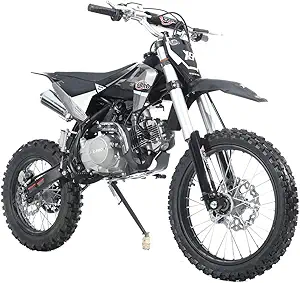 | X-PRO 125cc | Check Price |
Our Selected Top 12 Dirt Bike Worth Buying
This list includes a variety of dirt bikes suited for different skill levels and terrains. Each review covers performance details, ideal riders, and points to consider before buying, helping readers make informed decisions based on practical strengths and limitations.
1. NEXVEY FLASH PRO Electric Dirt Bike
Ideal for off-road riders who want powerful electric performance, the NEXVEY FLASH PRO stands out with its 5000W mid-drive motor delivering strong torque and speeds up to 55MPH. It suits experienced riders looking for a durable dirt bike with advanced electronic features like Wheelie Assist built into a cost-conscious package.
Setting up involves easily removable 60V 27Ah lithium batteries that charge on or off the bike. A smart thermal management system keeps the motor and battery cool during long rides.
The bike handles diverse terrain smoothly thanks to its inverted front forks and heavy-duty rear shock. Tires are sized for stable steering and traction on mud, gravel, and sand.
Power delivery feels consistent with 220N.m torque from the mid-drive motor. The frame and suspension absorb rough bumps well, supporting rough riding styles.
Praise often highlights the effective Wheelie Assist feature for safe stunts. The most common issue is the warranty limiting coverage on water immersion or reckless handling.
The bike’s consistent power and effective thermal management stand out during extended rides. Wheelie Assist is praised for adding stability when doing stunts without risking flips. On the downside, the warranty does not cover water immersion, which can be a risk for aggressive off-road riding in wet conditions.
Ideal for riders focused on off-road adventures and stunt riding with strong power needs. Beginners or those wanting street-legal options should consider other models. The bike suits those who can maintain it carefully to avoid warranty issues related to rough use or water exposure.
Pros
- Strong torque and high top speed
- Removable battery with long 50-mile range
- Wheelie Assist mode for controlled stunts
- Durable suspension for rough terrain
Cons
- Warranty excludes water damage and misuse
- Not legal for use on public roads
| Specification | Details |
|---|---|
| Motor Power | 5000W peak (3000W rated) mid-drive |
| Torque | 220N.m |
| Top Speed | 55MPH |
| Battery | 60V 27Ah lithium, removable |
| Tires | 17″ front, 14″ rear all-terrain |
| Suspension | Inverted front forks, central spring shock |
2. Yozma IN10 Electric Dirt Bike
Yozma IN10 Electric Dirt Bike suits riders aged 16 and above seeking powerful performance on trails and hills. Its standout feature is the 2600W mid-drive motor that pushes the bike to 40 mph and climbs slopes up to 30°, making it ideal for serious off-road adventures.
Setting up the bike involves careful installation of brakes and wheels to ensure safety and proper function. The removable battery offers up to 53 miles of riding range, allowing long rides without frequent recharging. Daily rides benefit from the full suspension system consisting of a nitrogen rear shock and a 220mm front fork, which smooths out rough terrain and keeps stability on bumpy trails.
The motor delivers strong torque right away, making uphill climbs straightforward. The frame is solid and handles the weight of 110 pounds well, balancing durability and practicality.
Braking is precise thanks to a combination of hydraulic disc brakes and an electronic assist system, providing confidence even on muddy or loose surfaces. A noted issue involves the initial assembly where brake and wheel setup must be double-checked to avoid performance problems.
Strong torque and smooth suspension receive praise for handling tough trails and hills with ease. Attention is needed during initial setup to properly install brakes and wheels, as incorrect assembly affects performance and safety.
Riders looking for a powerful, durable electric dirt bike with long battery life will appreciate this model. Those prioritizing a lighter bike or easier assembly might want to explore lighter alternatives or models designed for simpler setup.
Pros
- Powerful mid-drive motor for steep hills
- Long-range removable battery for extended rides
- Full suspension absorbs rough terrain well
- Advanced braking delivers consistent stopping power
Cons
- Requires careful assembly of brakes and wheels
- Relatively heavy at 110 pounds for some users
| Specification | Details |
|---|---|
| Motor Power | 2600W peak mid-drive |
| Top Speed | 40 mph |
| Maximum Climb Angle | 30° |
| Battery Range | Up to 53 miles |
| Suspension Travel | Rear nitrogen shock, 220mm front fork |
| Weight | 110 pounds |
3. X-PRO 125cc Gas Dirt Bike
Riding the X-PRO 125cc Gas Dirt Bike feels balanced and confident, especially on uneven trails. Suited for riders looking for a reliable off-road bike with solid control, it stands out for its smooth 4-speed transmission, which makes gear changes easy and helps with fuel efficiency on longer rides.
Setting the bike up involves assembling key parts like the handlebar brackets, wheels, brakes, number plate, and fender, which takes some basic tools and patience. Day-to-day use benefits from the 17 front and 14 rear tires that improve traction and ground clearance, making it reliable on mountain paths and unpaved trails. The chain drive and dual suspension provide stability and absorb bumps effectively.
Powered by a Zongshen engine, it delivers consistent performance with good power output and reasonable fuel use, suitable for off-road adventure. The steel tube frame contributes to durability and solid handling. Praise often highlights its reliability and strong build.
A common drawback is the assembly process, which can be a bit involved for those new to dirt bikes.
The bike is praised for its dependable engine and solid frame that handle rough terrain well. The assembly process requiring multiple parts to be installed is noted as the main challenge. Riders appreciate the bike’s strong structure and responsive brakes but should expect to spend time setting it up properly before the first ride.
Those seeking a reliable, sturdy dirt bike for mountain terrain and unpaved trails will find this model meets their needs. Riders wanting more gear options or simpler setup might look elsewhere. It suits those comfortable with basic mechanical work and who prioritize durable build and consistent off-road performance over adjustable speed settings.
Pros
- Reliable Zongshen engine with good power output
- Large wheels provide better traction off-road
- Dual disc brakes improve stopping power
- Durable steel tube frame for solid handling
Cons
- Assembly can be complex and time-consuming
- Restricted to 2 speeds despite transmission mention
| Specification | Details |
|---|---|
| Engine | Zongshen |
| Number of Speeds | 2 |
| Front/Rear Wheel Size | 17″/14″ |
| Brake Style | Dual Disc Brake |
| Frame Type | Cradle type steel tube |
| Suspension | Dual |
4. X-PRO Templar X 250cc Dirt Bike

Strong frame and a reliable 249.9cc engine make the X-PRO Templar X 250cc a solid choice for riders who want power and durability on unpaved trails. It suits experienced riders looking for adjustable suspension and solid traction without complicated setup.
Assembly is straightforward but requires attaching handlebar brackets, wheels, brakes, number plate, and fender. The electric start keeps daily use simple.
Large 21/18 alloy wheels provide good grip on dirt and uneven terrain. Adjusting the dual front and rear shocks to soft or hard helps match the ride to different track conditions.
Power delivery from the Zongshen 249.9cc engine is consistent and strong for off-road riding. The large frame feels very sturdy and resists damage during rough use. Disc brakes offer reliable stopping power.
The most common complaint is the initial assembly takes some time and care to align parts properly. The electric start and 6-speed twist grip shifter make riding straightforward.
Power and frame durability receive the most praise, making it reliable on rough trails. Some users find the assembly process detailed and time consuming, suggesting patience and tools are needed. The shocks adjust well but must be tuned to the rider’s preference to avoid a stiff or bouncy ride.
People who want a powerful, rugged dirt bike with easy starting and adjustable suspension will like this. Riders new to maintenance or those in California should consider alternatives. It is best for off-road enthusiasts who can handle some assembly and want control over suspension setup on varied terrain.
Pros
- Strong high-strength frame resists damage
- Powerful and durable Zongshen 249.9cc engine
- Adjustable shocks for varied terrain
- Electric start simplifies daily use
Cons
- Initial assembly requires time and care
- Cannot be sold in California
| Specification | Details |
|---|---|
| Engine | 249.9cc Zongshen |
| Number of Speeds | 6 |
| Suspension | Double adjustable front and rear shock |
| Wheel Size | 21″/18″ alloy wheels |
| Brake Type | Disc |
| Electric Assist | Electric Start |
5. X7 Electric Dirt Bike

A high-strength frame with balanced geometry forms the core of this electric dirt bike designed for adult riders. It suits those who want strong power combined with long battery life for serious off-road riding. The standout feature is its 5500W peak motor paired with a 60V 27Ah battery providing impressive speed and range.
Setting up the bike involves charging a large 60V 27Ah battery that offers a reliable ride of up to 60 miles under ideal conditions. The K58 full-color display helps keep track of speed, battery level, and mileage, which feels practical on longer rides.
Reverse Assist makes moving out of tight spots smoother, and the dual hydraulic brakes offer solid stopping power every day.
Performance is strong with 220 N·m of torque, enough to handle steep climbs and rough trails comfortably. The full suspension smooths out bumps well, and the 17 front with 14 rear off-road tires maintain grip on uneven ground. Reports highlight sturdy construction suitable for riders up to 330 lbs but note that range can vary significantly depending on terrain and rider weight.
Strong power delivery combined with a battery that lasts up to 60 miles receives praise for enabling extended rides without stopping to charge. The most frequent complaint is that actual range drops noticeably on rough terrain or with heavier riders, meaning planning for shorter trips may be necessary.
The bike fits riders seeking a high-powered, durable electric dirt bike for trails and hills while carrying up to 330 lbs comfortably. It may not suit someone needing very precise speed control or those expecting consistent maximum range at all times due to varying riding conditions.
Pros
- Powerful 5500W motor for demanding off-road use
- Large battery offers up to 60 miles per charge
- Full suspension eases rough terrain riding
- Reverse Assist helps in tight spots
Cons
- Range varies widely with conditions and rider weight
- Only three speed settings limit fine control
| Specification | Details |
|---|---|
| Motor Type | 5500W Peak Mid-Drive |
| Torque | 220 N·m |
| Battery Capacity | 60V 27Ah |
| Maximum Speed | 57 MPH |
| Load Capacity | 330 lbs |
| Suspension | Inverted Hydraulic Front, Nitrogen Rear Shock |
6. T500-V58 Electric Dirt Bike

Powerful 5500W motor and strong torque make this electric dirt bike perfect for riders ready to handle steep slopes and tough terrain. It suits people who want an adventurous ride with high speed and long battery life.
Setup takes about half an hour with clear videos and included tools. The removable 52V 30Ah battery charges indoors or outdoors in 6 to 8 hours.
Wide fat tires resist flats on gravel and thorns. Full suspension with hydraulic shocks smooths out rough trails, and the ergonomic seat supports longer rides comfortably.
Speed reaches up to 52 mph, excellent for mountain riding and adventure. The bike’s build feels solid with durable tires and sealed hydraulic disc brakes giving confident stops. A common praise is the strong grip on mud and sand, while a frequent complaint concerns the advanced fifth gear not being beginner-friendly.
The bike is praised for its strong grip on mud and rocky surfaces, making off-road rides more secure and fun. Many point out the fifth gear as tricky, requiring caution and skill to use safely. Setup ease and durable build also stand out in everyday use.
Riders comfortable with fast speeds and challenging trails appreciate this bike’s power and battery life. Beginners might want to be cautious with the higher gears or choose a simpler model until more experience is gained. Those needing quick charging might look elsewhere due to battery recharge time.
Pros
- Strong 5500W mid-drive motor conquers steep slopes
- Long-lasting 1560Wh battery with smart management
- Full suspension offers smooth rides on rough terrain
- Puncture-resistant tires prevent flats on sharp objects
Cons
- Fifth gear not suitable for beginners
- Charging time can take 6-8 hours
| Specification | Details |
|---|---|
| Motor Power | 5500 watts |
| Battery Capacity | 1560 watt-hours (52V 30Ah) |
| Top Speed | 52 mph |
| Tire Size | 14″/12″ wide all-terrain tires |
| Suspension Type | Full hydraulic air shocks front & rear |
| Number of Speeds | 5 with twist grip |
7. RS5 Electric Dirt Bike

Strong power and long battery life make the RS5 Electric Dirt Bike a solid choice for teens and adults wanting a full-size dirt bike experience without gas. Its 2200W motor and climbing ability handle rough trails well, fitting riders aged 13 and up who need serious off-road performance.
Setup includes charging the 48V 22.5Ah battery, which takes a while but lasts up to 45 miles depending on use. Hydraulic suspension smooths out bumps, so rides on uneven terrain feel stable. Front and rear hydraulic disc brakes give reliable stopping power, essential on dirt paths and hilly land.
The metal frame and 14/12 inch tires hold up under off-road stress.
Performance backs up the specs with strong torque for hills and decent top speed for a bike this size. The frame is sturdy metal with responsive brakes and good shock absorption from front and rear systems. Main praise highlights the riding stability and solid battery range, while complaints often mention the bike’s weight at 116 pounds, making it hard to carry around or transport.
The bike’s stability on rough trails and reliable battery life are praised for maintaining a full-size dirt bike feel. Frequent notes about the weight at over 110 pounds underline the difficulty in moving or storing it without assistance. Charging times and battery management are appreciated but may require planning for longer rides.
Younger teens and adults who need a powerful electric dirt bike for uphill and uneven paths will find this model fits well. Those needing a lighter, more portable option for casual use or frequent transport might want to look at smaller or lighter bikes with less peak motor power.
Pros
- Powerful 2200W motor climbs steep hills
- Long battery life up to 45 miles
- Hydraulic disc brakes provide strong stopping power
- Front and rear suspension absorbs rough terrain
Cons
- Heavier weight makes transport challenging
- Battery range varies significantly by rider and terrain
| Specification | Details |
|---|---|
| Motor Power | 2200W Peak |
| Battery Capacity | 48V 22.5Ah (1080Wh) |
| Range Per Charge | Up to 45 miles |
| Weight | 116.2 pounds |
| Tire Size | 14/12 inch |
| Dimensions (LxWxH) | 57.1 x 28.5 x 40.2 inches |
8. Electric Dirt Bike 4000W Motor

Off-road riding that demands both power and range works well with an electric dirt bike offering strong torque and a long-lasting battery. Someone who enjoys rugged trails but also wants a reliable daily commuter will find this bike suits those needs. The standout feature is its 4000W motor producing enough torque to climb steep slopes quickly.
Setting up involves removing the battery through a simple seat knob, allowing for convenient charging anywhere without moving the bike. The fat tires and dual hydraulic shocks absorb bumps effectively, so rides feel steady even on rough terrain.
Controls include three speeds and a throttle assist, plus a reverse option that makes parking easier. The LCD dashboard helps track speed and battery life in real time.
Performance on dirt trails and paved roads matches the expectations for a mid-drive 4000W dirt bike. Acceleration is strong, and the bike holds its line well over gravel and sand. The frame and components appear solid, although the most common complaint involves the bike’s weight, which some find makes handling in tight spaces more challenging.
Hydraulic disc brakes give consistent stopping power.
High torque and fast acceleration impress on challenging trails, offering a smooth ride with strong grip from fat tires. The removable battery and hydraulic suspension improve usability and comfort. Still, some find the weight cumbersome when maneuvering in confined off-road conditions, making handling less nimble than lighter models.
Those who value power, range, and sturdy suspension will appreciate this bike’s capabilities for trail exploration and commuting. Riders needing a lightweight or smaller bike might want to check alternatives more suited for tight maneuvering or lower rider height.
Pros
- Strong 230Nm torque for steep hill climbs
- Up to 40 miles on a single battery charge
- Comfortable dual suspension system
- Reverse function for easier parking
Cons
- Relatively heavy, affecting tight handling
- Limited to riders height 5.4 to 6.5 inches
| Specification | Details |
|---|---|
| Motor Power | 4000 watts |
| Battery Capacity | 48V 23Ah removable lithium battery |
| Max Speed | 45 MPH |
| Tire Size | 14-inch front, 12-inch rear fat tires |
| Suspension | Inverted hydraulic front, nitrogen-filled hydraulic rear |
| Load Capacity | 330 lbs |
9. Rideplux Electric Dirt Bike

5000W peak power and 220N·m torque deliver strong, steady climbs suited to serious off-road riders who need a durable, powerful electric dirt bike. The Rideplux Electric Dirt Bike stands out for its unibody steel frame, built to resist rough terrain and long-term stress without cracking.
Setting up involves the removable 48V 22.5Ah battery that you can easily unlock and charge indoors, avoiding the hassle of bringing the whole bike inside. Three speed modes adjust for different trail conditions, helping you balance speed and control. The bike’s gyro-assisted stability helps maintain balance during tricky low-speed moves, while the hydraulic brakes provide reliable stopping power under various conditions.
Handling climbs up to 45° is steady thanks to the mid-drive motor and centralized weight. The unibody frame spreads impact stress evenly, which means fewer worries about frame damage over time.
High marks go to the braking system combining hydraulic discs and regenerative braking. The biggest issue mentioned is the upfront need to double-check installation of brakes and wheels before riding.
Power and frame design get the most praise for handling tough trails confidently. Some riders point out that missing or loose components on delivery can cause issues until fixed, so careful pre-ride checks are necessary. Balanced weight and gyro assist improve handling but require some rider adjustment.
Riders wanting a strong, stable bike for aggressive off-road use will appreciate the solid build and torque. Beginners or those unwilling to maintain the system might find it too demanding. The removable battery suits long days but carrying extras means added investment.
Pros
- Strong motor with smooth power delivery
- Durable one-piece unibody frame
- Easy removable battery for charging
- Gyro-assisted stability aids tricky maneuvers
Cons
- Requires careful checking of brake and wheel setup
- Spare battery sold separately
| Specification | Details |
|---|---|
| Motor Power | 5000W Peak Mid-Drive |
| Torque | 220N·m |
| Battery | Removable 48V 22.5Ah Lithium |
| Frame | Unibody High-Carbon Steel |
| Tire Size | 19″ Front, 17″ Rear Knobby |
| Brakes | Dual Hydraulic Disc with Regen |
10. X-PRO Cavalier 250 Dirt Bike

Riders looking for a mid-sized dirt bike with solid traction will appreciate the X-PRO Cavalier 250. Designed for unpaved trails and more experienced riders, it stands out for its large frame and durable fat tires that improve grip on rough terrain.
Setting up the bike requires assembling the handlebar brackets, wheels, brakes, number plate, and fender, which takes some patience but provides a hands-on connection to the bike. Riding it daily feels stable thanks to its dual suspension and wide tires. The motocross-style seat sits low, making it comfortable for long rides and allowing good movement control on the bike.
It performs well on uneven trails, thanks to dual disc brakes and a chain drivetrain that manages power effectively across five speeds. The frame supports rough handling, though some mention the assembly can be tricky or incomplete parts appear.
The bike’s electric start simplifies getting going on fresh rides.
The bike’s fat tires and dual suspension impress with strong traction and smooth handling over unpaved surfaces. Assembly steps for the handlebars, wheels, and brakes often require additional tools and patience, with some minor adjustments needed after initial setup.
Those comfortable with mechanical assembly and looking for a sturdy trail bike will find this model suits their needs. Riders wanting a fully pre-assembled bike or those seeking a lighter, more compact dirt bike might prefer other options.
Pros
- Fat tires provide extra traction on rough trails
- Dual disc brakes offer strong stopping power
- Electric start makes ignition quick and easy
- Roomy riding position supports rider comfort well
Cons
- Assembly requires attention and can be time-consuming
- Some parts may need adjustment post-assembly
| Specification | Details |
|---|---|
| Bike Type | dirtbike |
| Number Of Speeds | 5 |
| Suspension Type | Dual |
| Brake Style | Disc |
| Electric Assist Type | Electric Start |
| Front Tire | 80/100-21 |
| Rear Tire | 110/100-18 |
11. HHH DB X18 125CC Gas Dirt Bike

Designed for intermediate riders who want a solid gas-powered dirt bike, the 125CC model stands out with its heavy-duty twin spar steel frame and manual 4-speed transmission. The biggest strength lies in the combination of power and handling suited for both youth and adults tackling unpaved trails or mountain terrain.
Setting up requires some work as the bike comes 70% assembled inside a metal crate. The hydraulic disc brakes on both front and rear offer confident stopping power on gravel and dirt.
Handling obstacles feels stable thanks to the telescopic front forks and mono-shock rear suspension. The seat height and ground clearance are comfortable for riders transitioning to more serious off-road routes.
Performance matches what to expect from a 125cc gas bike with responsive shifting and enough power for mountain paths. The twin spar frame feels sturdy, supporting the heavy tires without flex. The major praise highlights the bike’s durable construction and eye-catching decals.
Common complaint revolves around limited suspension adjustability, which may not suit more aggressive trail riders.
The bike receives praise for its strong frame and reliable brakes which give riders confidence on rough ground. The lack of adjustable suspension surfaces as the main drawback, limiting its adaptability to varied trail conditions. Assembly needs patience, requiring a good mechanical understanding or help from someone experienced.
Intermediate riders looking for a sturdy dirt bike with good power and solid brakes will appreciate this model. Those wanting more customizable suspension or a fully pre-assembled bike should consider alternatives better suited for advanced trail challenges or faster setup.
Pros
- Heavy-duty twin spar steel frame resists flex
- Hydraulic disc brakes on front and rear wheels
- Good ground clearance for trail riding
- 4-speed manual transmission for control
Cons
- Suspension is non-adjustable
- Requires assembly out of the crate
| Specification | Details |
|---|---|
| Engine Size | 125cc |
| Number of Speeds | 4-Speed Manual |
| Suspension Type | Non-Adjustable Telescopic Forks / Mono-shock |
| Brakes | Hydraulic Disc (Front & Rear) |
| Seat Height | 33 inches |
| Ground Clearance | 13.5 inches |
12. X-PRO 250cc Dirt Bike

X-PRO Titan 250cc Dirt Bike delivers solid power and durability for intermediate to advanced riders. It suits those looking for a reliable off-road machine with good handling and a strong engine. Its biggest strength lies in the 232.6cc Zongshen engine, known for long lifespan and dependable performance.
Assembly requires attaching handlebar brackets, wheels, brakes, number plate, and fender, which takes some time but is manageable. Daily rides benefit from the inverted front fork that offers precise steering and damping tailored for lighter handling.
LED headlights improve visibility while running cooler and using less energy. The exhaust system lowers noise and safely manages exhaust heat.
Performance matches the bike’s promises, with stable control and enough power for various off-road conditions. The steel and metal construction feels sturdy and durable.
Feedback highlights how steady the bike handles rough ground but notes occasional issues with the assembly process needing care. The engine runs reliably and quietly compared to alternatives in this size.
Strong points include the powerful engine combined with stable steering thanks to the inverted front fork. The LED headlights provide clear illumination without excess heat. The most common drawback involves the initial assembly, which needs careful attention to avoid fitting issues, especially with brakes and brackets.
Riders seeking a mid-sized dirt bike with solid power and good handling will appreciate this model. Those unfamiliar with bike assembly or living in California should consider other options, as it requires some mechanical setup and cannot be legally sold in that state.
Pros
- Powerful and reliable 232.6cc engine
- Inverted front fork improves steering control
- LED headlights reduce heat and use less energy
- Durable steel and metal frame
Cons
- Some assembly parts can be tricky to fit
- Not legally sellable in California
| Specification | Details |
|---|---|
| Engine | 232.6cc Zongshen |
| Dimensions | 86.6″ x 31.5″ x 48″ |
| Material | Steel, Metal |
| Front Suspension | Inverted Front Fork |
| Lights | LED Headlights |
| Skill Level | Intermediate to Advanced |
Best Dirt Bikes Comparison Table
| Product | Bike Type | Power Source | Speeds | Intended Terrain |
|---|---|---|---|---|
| NEXVEY FLASH PRO | – | – | – | – |
| Yozma IN10 | – | – | – | – |
| X-PRO 125cc | Dirt bike | Gas/Manual | 2 | Mountain, Unpaved Trails |
| X-PRO Templar X 250 | Dirt bike | Gas/Electric Start | 6 | Unpaved Trails |
| X7 Electric | Electric Dirt Bike | Electric | 3 | Unpaved Trails |
| T500-V58 Electric | Fat Tire, Mountain Bike | Electric | 5 | Mountain Terrain |
| RS5 Electric | Dirt Bike | – | – | – |
| 4000W Electric Bike | Electric Bike | Electric | 3 | Paved Roads, Trails |
| Rideplux Electric | – | Electric | – | – |
| X-PRO Cavalier 250 | Dirtbike | Electric Start | 5 | Unpaved Trails |
| HHH DB X18 125CC | 125cc Dirtbike | Gas | 4 | Mountain, Unpaved Trails |
| X-PRO 250cc | Off-road Dirt Bike | – | – | – |
- Bike Type–
- Power Source–
- Speeds–
- Intended Terrain–
- Bike Type–
- Power Source–
- Speeds–
- Intended Terrain–
- Bike TypeDirt bike
- Power SourceGas/Manual
- Speeds2
- Intended TerrainMountain, Unpaved Trails
- Bike TypeDirt bike
- Power SourceGas/Electric Start
- Speeds6
- Intended TerrainUnpaved Trails
- Bike TypeElectric Dirt Bike
- Power SourceElectric
- Speeds3
- Intended TerrainUnpaved Trails
- Bike TypeFat Tire, Mountain Bike
- Power SourceElectric
- Speeds5
- Intended TerrainMountain Terrain
- Bike TypeDirt Bike
- Power Source–
- Speeds–
- Intended Terrain–
- Bike TypeElectric Bike
- Power SourceElectric
- Speeds3
- Intended TerrainPaved Roads, Trails
- Bike Type–
- Power SourceElectric
- Speeds–
- Intended Terrain–
- Bike TypeDirtbike
- Power SourceElectric Start
- Speeds5
- Intended TerrainUnpaved Trails
- Bike Type125cc Dirtbike
- Power SourceGas
- Speeds4
- Intended TerrainMountain, Unpaved Trails
- Bike TypeOff-road Dirt Bike
- Power Source–
- Speeds–
- Intended Terrain–
How to Choose the Right Dirt Bike
Picking the right dirt bike depends on size, engine power, and your riding experience. Matching these factors helps avoid accidents, costly repairs, and frustration. Getting the fit and features right from the start saves money and makes riding more enjoyable.
Engine Size and Power
Matching the engine size to your riding experience often makes the biggest difference on the trail. Smaller engines, around 125cc, tend to be easier to handle for beginners or those riding smoother paths, avoiding the frustration of too much power too soon. Larger displacements, from 250cc to 450cc, deliver more torque and horsepower but require more skill to control, especially on technical terrain.
Using a bike that’s too powerful can make rides exhausting and increase crash risk, while a bike with too little power feels sluggish and struggles on hills.
The choice between two-stroke and four-stroke engines also shapes daily use a lot. Two-strokes offer quick, punchy power and weigh less but demand more frequent maintenance like top-end rebuilds.
Four-strokes provide smoother power delivery and better traction, which helps on rough, varied trails but come with a heavier feel and more complex maintenance. Look for torque figures around 15-25 lb-ft and peak horsepower between 20-50 hp as practical numbers, depending on your terrain and style. These factors directly affect how predictable and enjoyable the ride stays over time.
Bike Size and Rider Fit
Riding a bike that feels too tall or cramped quickly leads to discomfort and reduces control, especially on rough trails. Seat heights for most models range between 30 to 38 inches; someone under 5’6 often struggles with models above 34 inches. A proper fit means being able to plant both feet firmly on the ground without stretching too much.
Overestimating rider ability often results in fatigue and slower reaction times, which could mean less confidence on tight corners or during sudden stops.
The overall weight affects how easily the bike handles and how much effort is needed to maneuver or lift it after a fall. Bikes weighing over 250 pounds might be tough for lighter or less experienced riders to manage effectively. Check handlebar and footpeg placement too, poor ergonomics cause strain in wrists and knees on longer rides.
The best setups allow a natural, relaxed posture with adjustable options for different arm and leg lengths. Look for handlebars made of aluminum for lightness and footpegs wide enough to maintain a stable stance on uneven terrain.
Suspension and Handling
The difference between a basic and a high-quality front and rear suspension becomes clear on rough trails. Bikes with adjustable suspension let you tune the firmness, making a real difference when switching from rocky paths to smoother dirt roads. A fork travel of 8 to 12 inches is common for better shock absorption in this category.
Without decent suspension, rides become tiring quickly, and control feels unpredictable, especially over roots and ruts.
Frame design directly affects how the bike handles tight turns and how long it will withstand knocks and falls. Steel frames often offer more durability but weigh more, while aluminum keeps the bike lighter for easier maneuvering. Tire choice is equally critical.
Aggressive knobby tires with deep tread patterns improve grip and stability on loose or muddy surfaces. Tires sized around 21 inches front and 18 inches rear are standard and suitable for off-road traction.
Ignoring these details leads to slipping and difficulty controlling the bike at low speeds or steep inclines.
Safety Features and Controls
Relying on brakes that respond instantly can be the difference between a close call and a crash. Many models feature disc brakes, usually around 220mm in diameter, providing consistent stopping power even in muddy or wet conditions.
Cheaper or older designs might use drum brakes, which often feel mushy and less reliable during hard rides. Daily use demands a braking system that stays firm and predictable, avoiding sudden grabs or fading after multiple stops.
Protective guards and impact-resistant parts often go unnoticed until something hits a rock or tree branch. Strong plastic or aluminum guards over the engine and radiator can save costly repairs. Handguards also protect the rider’s fingers, especially on tight trails.
Controls need to be within easy reach, with levers and throttle twisting smoothly for quick reactions. Some bikes offer adjustable levers, which can make a big difference in comfort and control.
Soft-touch grips and textured pedals also help keep control in slippery conditions.
Maintenance and Durability
It is common for a bike to spend more time in the workshop than on the trail if routine maintenance feels like a chore. Parts that are easy to access and replace, like air filters, sprockets, and brake pads, make a significant difference during regular upkeep.
Common components such as chains need lubrication every few rides to avoid rust and stretching, which affects performance. Choosing models with widely available replacement parts avoids long waits and high costs. Stainless steel or aluminum controls, as well as sealed bearings, tend to reduce corrosion and extend service intervals.
Durability depends heavily on construction materials. Frames made from chromoly steel usually handle impacts and stress better but may require occasional rust prevention care to maintain longevity. Aluminum alloys are less prone to corrosion but might show signs of metal fatigue sooner.
Key components like suspensions and engines last substantially longer if cleaned thoroughly after each ride and stored in dry conditions. Expected lifespans vary, but a well-kept bike can run smoothly for several years and hundreds of hours of riding time without major overhauls.
How to Properly Maintain and Clean Your Dirt Bike for Longevity
Regular maintenance keeps a dirt bike running smoothly and extends its life significantly. After every ride, start by rinsing off mud and dirt using low-pressure water to avoid damaging sensitive parts.
Focus on the chain, tires, and suspension components. Allow the bike to dry completely to prevent rusting.
Key steps for cleaning and upkeep:
- Use a degreaser on the chain before lubrication to remove grime build-up.
- Check tire pressure and inspect tread for cuts or excessive wear.
- Tighten loose bolts and nuts, especially around the handlebars and foot pegs.
- Clean the air filter regularly, especially after dusty rides, to maintain engine performance.
- Change the engine oil and coolant according to the manufacturer’s schedule to protect internal components.
- Inspect brake pads and fluid levels to ensure safe stopping power.
Storing the bike in a dry, covered area helps avoid corrosion and electrical issues. Following these steps reduces unexpected breakdowns and keeps the dirt bike ready to perform on every trail.
Essential Safety Gear and Riding Techniques for Dirt Bike Enthusiasts
Wearing a DOT-certified helmet is the most critical safety measure. It protects your head in case of falls or collisions, which are common on rough trails.
Along with a helmet, investing in goggles will keep dirt and debris out of your eyes, maintaining clear vision throughout your ride.
Other important gear includes:
- Gloves: Provide grip and protect your hands from blisters and branches.
- Boots: High-quality, reinforced boots guard against ankle injuries and offer stability.
- Knee and elbow pads: These reduce the impact of falls and prevent scrapes.
- Chest protector: Shields vital organs and reduces injury from flying debris or crashes.
On technique, learning to maintain a balanced posture helps absorb shocks and keeps control on uneven terrain. Practice shifting your weight smoothly and using your knees to grip the bike; this improves stability.
Avoid sudden braking, which can cause skidding, and try to anticipate obstacles by scanning the path ahead well before reaching them.
Comparing Trail Riding and Motocross Bikes: Choosing the Right Style for Your Needs
Trail riding bikes typically have a more relaxed suspension setup and tires designed to handle dirt, rocks, and mud on uneven ground. These features make them more comfortable and stable for longer rides across rough terrain.
Maintenance tends to be simpler since these bikes often have air-cooled engines and fewer aggressive parts that wear quickly.
Motocross bikes focus heavily on performance, with stiff suspension systems that absorb big jumps and fast landings. Their tires have knobby treads optimized for soft dirt and sand on closed tracks, which provides maximum grip during quick turns and sprints.
These bikes usually have high-revving engines and require more frequent adjustments to keep them race-ready.
Key differences to consider:
- Trail bikes offer comfort and durability for varied outdoor conditions.
- Motocross bikes prioritize speed and agility on groomed race circuits.
- Trail riders benefit from less frequent maintenance and longer ride times.
- Motocross riders should be prepared for more tuning and intensive wear.
People Also Asked
How Do I Properly Size a Dirt Bike for Beginners?
Beginners should choose a bike with a seat height that allows both feet to touch the ground while sitting, usually between 19 to 30 inches. Smaller wheels and lighter frames help with control. Testing the bike for fit before purchase is a practical step.
What Safety Gear Is Essential for Dirt Bike Riding?
A helmet designed for off-road use, gloves, boots covering ankles, goggles, and protective clothing are essential. Riding without proper gear increases risk of injury. Buying well-fitted gear increases comfort during long rides.
How Long Does a Typical Dirt Bike Engine Last?
Dirt bike engines typically last 5,000 to 10,000 miles with proper care. Regular oil changes and avoiding overheating help extend engine life. Expensive repairs often occur when engines are neglected.
What Common Mechanical Problems Do Dirt Bikes Have?
Common issues include chain wear, carburetor clogs, and flat tires. Dirt and dust cause most problems, so regular cleaning is critical. Checking the chain tension frequently improves performance.
How Often Should I Perform Maintenance on My Dirt Bike?
Maintenance should happen after every ride or at least every 20-30 hours of use. Cleaning, oil changes, and lubrication prevent damage. Keeping a log helps track when each task was last done.
Conclusion
The key things to focus on are the type of terrain you’ll ride on, the engine size suited to your skill level, and the bike’s weight for handling. Proper suspension and build quality also make a big difference in comfort and durability during rides. Choosing a bike that fits your riding style and experience is more important than just looking at specs.
Make sure to consider your storage space and how often you plan to ride before making a choice. A smaller bike might be easier to handle and store, while a larger one might suit frequent or more intense use. Take another look at the comparison table and reviews above to find the bike that balances these factors best for you.
Hi, I’m Garrett Winslow, a bike enthusiast who enjoys exploring different types of bicycles, from everyday commuter bikes to mountain bikes and road bikes. I love learning about bicycle components, riding accessories, maintenance techniques, and gear that makes cycling more comfortable and enjoyable. Through my writing, I aim to share practical tips and useful insights to help fellow cycling enthusiasts choose the right bikes, maintain their bicycles, and get the most out of every ride.