Many who swap out or upgrade the exhaust on their Ford Ranger 4.0 know the slow drain of power and that rough, rattling sound from a low-quality pipe. The best exhaust for Ford Ranger 4.0 stands up to harsh weather and delivers consistent performance without the constant worry of rust or leaks. A badly made or ill-fitting exhaust can cause backpressure issues and uneven fuel use, problems that add up the more you drive.
Materials matter most when picking an exhaust system. Stainless steel is a smart choice since it resists corrosion and lasts well beyond mild steel. The pipe diameter plays a big role too, a common size around 2.5 to 3 inches hits the balance between power gain and noise control.
Another key point is how the exhaust fits; it should line up perfectly to avoid leaks and keep emissions in check. Some designs also make cleaning easier, cutting down on the time spent scrubbing out mud or soot.
Need a Quick Check?
| Image | Product | Price |
|---|---|---|
Our Top Picks 1  | Ford Ranger Muffler Tail Pipe | Check Price |
Our Top Picks 2  | BRExhaust Replacement Kit | Check Price |
Our Top Picks 3 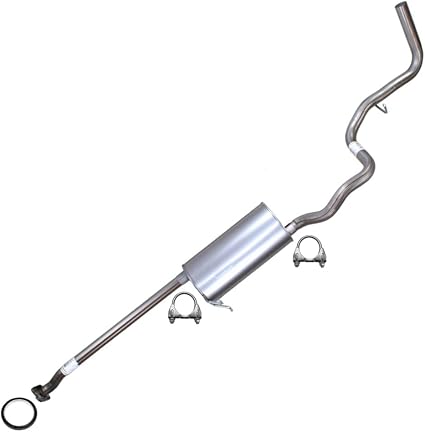 | Northeastern Intermediate Pipe Kit | Check Price |
Our Selected Top 12 Exhaust for Ford Ranger 4.0 Picks for Every Need
This list features a range of exhaust systems designed for a specific truck engine, covering different styles and functions. Each review explains how the exhaust performs, the type of driver it fits best, and points out both strengths and potential drawbacks to help with choosing the right one.
1. Muffler Tail Pipe Exhaust System for Ford Ranger 1995-1997
Replacing a worn-out exhaust on a Ford Ranger 4.0 feels straightforward with this muffler tail pipe system. It suits those who want a simple, reliable fix without needing a shop visit.
Its strongest point is how easily it fits without modifications.
Installing it requires no cutting or welding, thanks to the segmented design that matches the original chassis. The bolt-on setup saves time and avoids extra labor charges. Using it daily, the aluminized steel build handles exposure to rust and corrosion well, reducing leaks and noisy rattles that usually come with older exhausts.
It performs solidly by restoring original exhaust flow and noise levels. The aluminized steel tubing stands up to rough weather and typical wear. One solid praise is its fitment accuracy for the 125-inch wheelbase Ranger.
A common complaint centers on verifying the exact wheelbase before buying to avoid fit issues.
The muffler tail pipe exhaust system fits perfectly on 1995-1997 Ford Rangers and Mazda pickups with a 125-inch wheelbase. It cuts down on leaks and rattle noises, thanks to its durable aluminized steel tubing. Some find the fitment can be tricky if the exact wheelbase isn’t confirmed before buying, leading to installation delays.
Ideal for drivers seeking a straightforward replacement without welding or cutting. Those wanting a quiet, rust-resistant setup on their 4.0L Ford Ranger will appreciate this system. People needing a custom exhaust tone or a different wheelbase length should look at other options to avoid compatibility problems.
Pros
- Direct replacement fit for 125-inch wheelbase models
- Doubles as fix for leaks and exhaust noise
- No special tools or modifications needed to install
- Durable against rust and corrosion
Cons
- Only fits 125-inch wheelbase Rangers
- Must confirm model year and engine size carefully
| Specification | Details |
|---|---|
| Vehicle Fitment | 1995-1997 Ford Ranger 4.0L, 125-inch wheelbase only |
| Material | Mandrel-bent aluminized steel tubing |
| Installation | Bolt-on, no cutting or welding |
| OEM Equivalent Part Numbers | 308616 790040 554911 |
| Weight | 12 pounds |
| Warranty | 1 year |
2. BRExhaust OE Replacement Exhaust System Kit 106-0184
BRExhaust OE Replacement Exhaust System Kit 106-0184 fits a Ford Ranger 4.0 and suits people wanting a direct replacement that keeps the truck’s emission systems intact. Its biggest strength comes from being a complete, bolt-on setup that avoids custom work and offers durability in regular use.
Installation works well as a DIY project since every needed part, gasket, and clamp comes in one box with clear instructions. The kit’s multi-piece, mandrel-bent pipes slide in around tight spots without hassle.
Day to day, the aluminized steel resists rust and wear in different weather conditions, making it easier to maintain without worrying about early corrosion.
The exhaust performs like the original, maintaining smooth flow from the catalytic converter back. It holds up well against rust and heat, so durability is solid.
The main praise is for easy fit and keeping emissions legal. The main drawback is that the muffler sound might not be louder or deeper than stock for those expecting an aggressive tone.
BRExhaust OE Replacement Exhaust System Kit 106-0184 fits precisely behind the last catalytic converter on Ford Ranger 4.0 models. Installation goes smoothly with the bolt-on multi-piece design, which users appreciate for avoiding fabrication hassles. The kit is well-packaged with all necessary parts, but some find the clamps a bit tricky to tighten evenly.
Those seeking a durable, direct-fit exhaust system that keeps emissions intact will be pleased with this product. It suits DIYers with some mechanical experience who want a corrosion-resistant setup. For drivers wanting a louder or more performance-focused sound, looking at aftermarket exhausts designed specifically for sound might be better.
Pros
- Complete kit includes clamps, gaskets, and hardware
- Designed to fit without any need for fabrication
- Resistant to corrosion and high heat
- Maintains emissions compliance fully
Cons
- Mild sound, lacks aggressive exhaust tone
- Multi-piece design can take longer than a single-piece install
| Specification | Details |
|---|---|
| Weight | 34 pounds |
| Dimensions | 22 x 12 x 46 inches |
| Material | Aluminized steel |
| Part Number | 106-0184 |
| OEM Part Number | Multiple (5L5Z-5230-FA, 3L5Z-5230-FA, etc.) |
3. Northeastern Exhaust Intermediate Pipe Muffler Tail Pipe Kit
Stainless steel 409 grade forms the core of this exhaust kit, making it a solid choice for those wanting long-lasting parts with solid resistance to rust. Suited for anyone focused on durability and performance on a Ford Ranger 4.0, its main strength lies in reducing exhaust back pressure to potentially boost power.
Installation is straightforward since no welding is required, which suits people who want a professional fit without custom fabrication. The kit comes with gaskets and clamps to ensure everything fits tight and seals well. Routine checks for leaks and ensuring the tailpipe runs clear of the vehicle body are necessary for safe use, reflecting common concerns with exhaust parts.
Performance-wise, the pipe is designed to improve exhaust flow, aiming to increase horsepower and torque, which aligns with a more responsive drive. The stainless steel build stands up well to harsh conditions, but some users note that the tailpipe length must be carefully adjusted to avoid exhaust fumes entering the cab. The included hardware generally holds tight during rough drives.
The stainless steel construction holds up well against rust and corrosion, even after months of exposure to road salt and moisture. Installation goes smoothly with the included gaskets and clamps, avoiding the need for welding. Some mention the possibility of receiving a similar part instead, but this rarely causes a problem.
Ideal for those wanting to improve exhaust flow and slightly boost performance without custom work. Those lacking access to a professional installer might find the welding-free approach appealing. People needing a fully custom system or strict factory-matching parts should consider other options, especially if exact matching is critical for their project.
Pros
- Durable stainless steel resists corrosion
- Comes with all necessary hardware for installation
- Helps reduce exhaust back pressure
- Simple fit without welding or fabrication
Cons
- Must check tailpipe length to avoid fumes inside vehicle
- Occasional shipment of equivalent parts due to stock
| Specification | Details |
|---|---|
| Material | Stainless Steel 409 Grade |
| Manufacturer | Northeastern Exhaust |
| Part Numbers | 304185 + 103209 + 304186 |
| OEM Part Number | 650329 |
| Installation | No welding needed, includes gaskets and clamps |
4. Muffler Exhaust Tail Pipe System

Fits 1993 and 1994 Ford Ranger models with a 4.0L V6 engine and 125-inch wheelbase. The Muffler Exhaust Tail Pipe System suits anyone needing a direct OEM replacement that maintains factory performance.
Its biggest advantage lies in its precise fit, making installation less of a chore.
Setting it up demands checking the wheelbase on your driver’s door to confirm compatibility. The system includes the wheelbase muffler and tailpipe, designed to slide right into place without extra modifications.
Daily driving shows the system manages exhaust flow efficiently, with no unusual noise spikes or rattling. Cleaning involves a straightforward wipe-down to remove surface grime, and it stays clear of rust due to sturdy materials.
Durability stands out thanks to premium materials and a rugged build. The extended catalyst chamber helps improve exhaust efficiency, which can contribute to smoother engine operation.
Positive remarks often focus on how solid the fit feels, with no leaks reported in typical use. On the downside, some mention the muffler’s weight being slightly heavier than expected, which could matter during installation but does not affect road performance.
Muffler Exhaust Tail Pipe System fits 1993-94 Ford Ranger 2WD or 4WD with 3.0L and 4.0L V6 engines and 125-inch wheelbase, plus 1994 Mazda B3000 and B4000 models. It installs directly without modifications, matching OEM design. Material quality holds up well with daily driving and rough weather. Some have noticed rust forming a bit sooner on salty roads, but sound.
Those who want a straightforward replacement that matches factory specs will find it suitable. It works best for drivers not seeking extra power or a different exhaust tone. Anyone aiming for a louder or custom setup might prefer an aftermarket option since this system stays close to stock performance and sound.
Pros
- Direct OEM fit for easy installation
- Rugged materials resist corrosion
- Extended catalyst chamber improves efficiency
- Works for both 2W/D and 4W/D models
Cons
- Muffler feels heavier than expected
- Strict wheelbase requirement limits fit
| Specification | Details |
|---|---|
| Compatibility | 1993-1994 Ford Ranger 4.0L V6, 125″ wheelbase |
| Included Components | Wheelbase Muffler Tail Pipe Exhaust |
| Material Quality | High-quality, rugged construction |
| Manufacturer Warranty | 1 year |
| Manufacturer Part Number | 11909 / 48433 790035 554911 |
5. Rear Muffler Tail Pipe Exhaust for Ford Ranger 3.0/4.0 126 Wheelbase

Designed for Ford Ranger 3.0L and 4.0L models with a 126 wheelbase, this OEM style rear muffler and tailpipe exhaust targets drivers who want a direct replacement that fits well without much modification. Its biggest advantage lies in the all-in-one converter back system, which simplifies installation and guarantees parts compatibility.
Setting up the exhaust involves matching the wheelbase carefully since incorrect measurements can cause fit issues. The package includes extension and tail pipes, clamps, gasket, rubber hangers, and a bolt kit, which covers everything needed for assembly. Routine checks aim at the clamps and hangers to keep vibrations under control.
Daily use means the exhaust blends smoothly with the vehicle’s frame without noticeable rattling or loose components.
The muffler and pipes do a solid job controlling noise without affecting engine performance, showing itself as durable with thick metal parts. The clamp system secures the sections firmly but can sometimes loosen if exposed to heavy road vibrations.
The hangers are effective but may require tightening after extended driving on rough terrain.
Installation requires measuring the 126-inch wheelbase accurately to ensure proper fit. The set includes all necessary parts like the muffler, tailpipe, extension pipe, clamps, gasket, and hangers, making it a straightforward replacement for the Ford Ranger 3.0L and 4.0L models. Some find tightening the clamps a bit tricky during setup, but the components hold up well in daily driving.
Ideal for those who want a direct replacement that matches the original style and fit of their Ranger’s exhaust system. People needing a quieter ride or a performance upgrade might prefer different options. This model suits routine use with no special modifications needed, offering solid durability for daily road conditions.
Pros
- Complete converter back system included
- Easy to install with all hardware supplied
- OEM style matches original exhaust shape
- Durable metal construction resists damage
Cons
- Clamp can loosen under heavy road vibrations
- Hangers may need re-tightening over time
| Specification | Details |
|---|---|
| Brand Name | MAC |
| Manufacturer Part Number | 41072 |
| Fits Engine | Ford Ranger 3.0L & 4.0L |
| Wheelbase | 126 inch |
| Included Components | Extension pipe, muffler, tail pipe, clamps, bolt kit, gasket, rubber hangers |
| Manufacturer | Mac Auto Parts |
6. BORLA 140789BC Cat-Back Exhaust System for Ford Ranger

Swapping out a tired exhaust on a Ford Ranger 4.0 demands a system that fits perfectly and sounds right without drone. Ideal for someone wanting durable materials and a straightforward install, the BORLA 140789BC Cat-Back Exhaust System stands out for delivering quiet power and reliability.
Installation involves a bolt-on design, which simplifies the process without complex modifications. The system comes fully welded, so there is no need to worry about leaks at the joints. At 48 pounds, it feels sturdy but manageable during handling.
Daily driving stays comfortable thanks to the no drone guarantee. The painted exterior holds up well against the elements and grime kicked up on the road.
Performance matches the build quality with smooth exhaust flow and a deep, aggressive sound under lighter throttle that doesn’t get intrusive on highway drives. The T-304 stainless steel construction promises long-term resistance to rust.
The strongest positive note from feedback is the tight fit and easy replacement of the original system. The most common complaint concerns the painted finish, which can chip under rough off-road conditions.
Borla’s 140789BC Cat-Back Exhaust System fits well on the Ford Ranger 4.0 and is made from T-304 stainless steel, which holds up well against rust over time. Installation bolts on without cutting or welding, making setup straightforward for most with basic tools. Many find the all-welded construction durable and appreciate the lack of unwanted drone during highway drives, although some.
This exhaust suits those wanting a solid upgrade that balances sound and durability without complicated installation. It works best for drivers who use their truck regularly and want an improved exhaust flow with a sporty note. People looking for a very quiet system or who want a big sound boost may want to consider other options that focus more on.
Pros
- T-304 stainless steel resists corrosion
- All welded construction prevents leaks
- Bolt-on install simplifies fitting process
- No exhaust drone during highway driving
Cons
- Painted finish chips on rough terrain
- Weighs 48 pounds, heavier than some models
| Specification | Details |
|---|---|
| Material | T-304 Stainless Steel |
| Installation | Bolt On |
| Weight | 48 pounds |
| Dimensions | 60 x 18 x 17 inches |
| Exterior Finish | Painted |
| Model Number | 140789BC |
7. Exhaust Header for Ford Explorer & Ranger 4.0L

Constructed from 304 stainless steel, this exhaust header fits Ford Ranger 4.0L models between 2001 and 2009 with impressive corrosion resistance that lasts. It suits someone who needs a tough replacement part that holds up well in rough conditions. Its longest-lasting build quality stands out in this kind of product.
Installation involves matching up the header to your truck’s existing exhaust ports, with CNC technology giving a precise shape that eases the fit. TIG welding on all connections means fewer worries about leaks during daily driving.
Regular use shows stable performance without rust or breakdowns, even when exposed to harsh environments or road salts. The one-piece design keeps things straightforward for routine checks and cleaning.
Performance stays reliable under normal driving, maintaining consistent exhaust flow as expected. The 304 stainless steel construction resists corrosion better than cheaper metals, which extends the part’s lifespan significantly. Most praise centers around the tight welds preventing exhaust leaks; some mention the header can be tricky to line up perfectly during installation without extra effort.
Stainless steel construction keeps the exhaust header strong and resistant to rust over years of use. Precise CNC shaping and clean TIG welding provide a good fit and tight seal, cutting down on leaks or noise issues. Common drawbacks include a more complex installation process that may require professional help or additional tools.
Those who want durability and long-term performance for a Ford Explorer or Ranger 4.0L will appreciate this header’s build quality. Someone looking for an easier, plug-and-play replacement or a header designed for higher horsepower upgrades might want to explore other options. This suits daily drivers and mild modifications well.
Pros
- Corrosion-resistant 304 stainless steel construction
- Precision CNC shaping ensures good fitment
- TIG welded joints minimize exhaust leaks
- Covered by a 3-year warranty for quality assurance
Cons
- Installation requires careful alignment to avoid fit issues
- Only compatible with specific 4.0L Ford models
| Specification | Details |
|---|---|
| Compatible Models | 2001-2009 Ford Ranger 4.0L, 1998-2009 Ford Explorer 4.0L |
| Material | 304 Stainless Steel |
| Welding Type | TIG Welding |
| Manufacturing Technology | CNC Shaped |
| Warranty | 3-year replacement warranty |
| Manufacturer | Foshan Exhaust Technology |
8. Front Engine Y Pipe Replacement for Ford Ranger & Explorer

People working on Ford Ranger or Explorer 4.0 engines who want a reliable replacement Y pipe will appreciate a part built to meet OE specifications. Its biggest strength is solid durability that keeps performance consistent without frequent replacements.
Installation fits well when matched to the correct year and model, making setup straightforward with no major modifications needed. The fit and connection points hold steadily during daily driving, which means the exhaust system runs smoothly without leaks or rattles to disrupt normal use.
Built in ISO certified factories, it offers a dependable build quality with good materials for the price range. The main praise highlights strong workmanship and exact fit, while some mention difficulty ensuring perfect alignment on certain engine models.
The Front Engine Y Pipe Replacement for Ford Ranger and Explorer shows strong durability and consistently meets or exceeds original equipment specifications. Many appreciate the straightforward fit and the clear instructions, which simplify installation. Some report a minor issue with the finish, but it does not affect performance or seal.
People running a 4.0 Ford Ranger looking for reliable, OE-quality parts will find this Y pipe suitable. Ideal for someone comfortable with basic mechanical work. Those needing a custom exhaust sound or a high-performance upgrade might want to look for aftermarket options designed specifically for those purposes.
Pros
- Durable construction meets OE specifications
- Good fit with correct year and model
- High quality parts and workmanship
- ISO certified manufacturing standards
Cons
- Requires careful alignment during installation
- Not heat treated for extra durability
| Specification | Details |
|---|---|
| Manufacturer | Mac Auto Parts |
| Brand | MAC |
| Manufacturer Part Number | 229125 |
| Heat Treated | false |
9. Muffler Tail Pipe Exhaust System for Ford Ranger

Muffler Tail Pipe Exhaust System for Ford Ranger targets 1995-1997 models with a 108-inch wheelbase, offering an exact fit that suits anyone wanting reliable replacement parts without extra work. Its standout feature is the precise factory-style fitment that avoids the hassle of modifications common in other kits.
Setting up involves no cutting or welding, as the exhaust comes in segments tailored to the original chassis. Every bolt-on step is straightforward enough to handle without professional help, saving on garage labor. Hardware and gaskets are included, and the installation manual guides through the process, making it manageable for those familiar with basic tools.
The exhaust performs well in stopping leaks and eliminating rattles, restoring normal sound and reducing noise significantly. Built from aluminized steel with mandrel bends, it handles moisture and salt exposure without rusting quickly.
Highest praise focuses on its durability and exact fit. Some users note it is not suitable for wheelbases other than 108 inches, so confirming fit before purchase is essential.
Muffler Tail Pipe Exhaust System fits exactly on 1995-1997 Ford Rangers with a 108-inch wheelbase. It uses heavy-duty aluminized steel that handles rust and corrosion well, helping to avoid exhaust leaks and reduce noise. Some find the segmented design tricky to line up during installation, but no cutting or welding is needed.
People running a 1995-1997 Ford Ranger with the right wheelbase who want a factory-style fit will find this exhaust a good choice. It suits DIY installation for someone with basic tools. Those with different wheelbases or who prefer custom sounds might need to look at other options.
Pros
- Precise factory-style fit for 108-inch wheelbase
- Rust-resistant aluminized steel construction
- No cutting or welding required for installation
- Complete kit with all necessary hardware included
Cons
- Only fits 108-inch wheelbase 1995-1997 Rangers
- Limited warranty of just one year
| Specification | Details |
|---|---|
| Wheelbase Fit | 108-Inch Exact Fit for 1995-1997 Ford Ranger |
| Material | Heavy-Duty Aluminized Steel |
| Installation | Easy Bolt-On, No Cutting or Welding |
| Included Components | Muffler, Tail Pipe, Gaskets, Clamps, Hardware |
| Compliance | Federal Street-Use Legal |
| Manufacturer Warranty | 1 Year |
10. Northeastern Exhaust Stainless Steel Exhaust System Kit for Ford Ranger

Northeastern Exhaust Stainless Steel Exhaust System Kit for Ford Ranger shines at offering durability with its 409 grade stainless steel. It suits anyone who needs a long-lasting exhaust fix that can handle rough conditions without rusting.
Its biggest strength lies in its solid build and easy installation process.
Setting it up requires no welding and comes with the hardware needed like gaskets and clamps for secure fitting. Having a professional handle the installation avoids leaks and ensures the tailpipe extends safely beyond the vehicle. Daily use benefits from this setup by preventing corrosion and keeping exhaust flow smooth, which matters on all types of terrain.
The exhaust system improves flow to reduce back pressure, which can help your Ranger run with better torque and horsepower. Stainless steel material holds up well over time, even under wet or salty conditions. One praised point is the included hardware makes fitting straightforward without extra parts.
One downside noted is occasionally a similar replacement part might be sent instead of the exact one ordered.
Stainless steel construction holds up well against rust and road wear, especially in wet or salty environments. Installation gear like gaskets and clamps comes included, making fitting quicker without welding. Some found the parts slightly different from their original, requiring a bit more adjustment. Installation must be done carefully to avoid leaks and to keep exhaust fumes out of the.
Ideal for someone with a Ford Ranger 4.0 who wants a solid upgrade to improve exhaust flow and possibly gain a little power. Those not comfortable with professional installation or looking for a factory exact match might prefer a different setup. Anyone wanting simple bolt-on with reliable materials will find this kit fitting that need.
Pros
- Durable stainless steel resists corrosion
- Easy professional installation, no welding
- Includes gaskets and clamps for secure fit
- Improves exhaust flow and vehicle torque
Cons
- Possible shipment of equivalent replacement parts
- Requires professional installation to avoid leaks
| Specification | Details |
|---|---|
| Material | Stainless Steel 409 Grade |
| Manufacturer Part Number | 650330 |
| OEM Equivalent Part Number | 302176+304186+103209 (52454+54700+21564) |
| Included Components | Gasket, Spring Bolt Kit |
| Brand | Northeastern Exhaust |
11. Ranger 4.0L 126 Long Wheelbase Muffler Tail Pipe Exhaust System

Quiet and sturdy, this exhaust system suits someone who wants a reliable replacement for their Ford Ranger 4.0 without fuss. Its main strength is durability, holding up well over time while fitting directly where the original part goes.
Setting it up takes little time since the design matches the factory specifications closely. The muffler and tailpipe slot in without trimming or special tools, making installation straightforward. Daily use brings steady performance with no unexpected noises or rattles.
Cleaning involves wiping off dirt and occasional checking for rust, which has proved minimal thanks to solid build quality.
It handles exhaust flow efficiently and feels like it meets or surpasses the original’s standards. The metal construction is thick enough to resist dents and corrosion in most conditions.
The most common praise highlights how well it fits and sounds right, while a few users mention slight adjustments needed to align perfectly on some models.
The Ranger 4.0L 126 Long Wheelbase Muffler Tail Pipe Exhaust System fits well and installs without needing modifications. Made in ISO certified factories, it meets factory specs for form and function. Most praise centers on its durability and consistent sound output. Common complaints focus on the exhaust note being louder than some expect, which can be a drawback in quiet.
Drivers wanting a straightforward upgrade that maintains factory sound and durability will find this exhaust suitable. It works well for daily driving and moderate off-road use. Those looking for aggressive sound or maximum performance gains might want to explore aftermarket options designed specifically for loudness or power increase.
Pros
- Durable construction resists rust and dents
- Direct replacement ensures easy installation
- Consistent exhaust performance
- Made to meet or exceed OE specs
Cons
- May require slight alignment adjustments
- Limited information on material specifics
| Specification | Details |
|---|---|
| Brand Name | Mac Auto Parts |
| Manufacturer Part Number | 152210 |
| Fitment | Direct replacement for Ford Ranger 4.0L Long Wheelbase |
| Manufacturing Standard | ISO Certified factories |
12. Muffler Exhaust Pipe for Ford Ranger 1998-2003

Great for someone who needs a no-fuss replacement exhaust for a Ford Ranger 4.0 from the late ’90s to early 2000s. The main strength lies in its straightforward fit and factory-level durability.
It suits anyone looking to swap out a worn exhaust without custom work or surprises.
Installation is simple because the pipe matches original equipment specs closely. It slides into place without modifications, saving time in the garage.
Day-to-day, the exhaust operates quietly and consistently with no unusual rattles or vibrations. Cleaning is minimal since the materials resist rust and grime from road use. The direct replacement design means you won’t need extra parts or special tools for assembly.
Performance-wise, the pipe holds up under regular driving with steady sound control, neither too loud nor muffled. It’s made in ISO-certified factories, which comes through in the solid build and finish.
One key compliment notes the durability of the welds and corrosion resistance. On the downside, some point out that the fit can still feel a bit tight depending on the exact truck specs, causing a little extra effort during installation.
The muffler exhaust pipe fits well on Ford Ranger models from 1998 to 2003, matching original equipment specifications closely. It offers solid durability and maintains performance over time, avoiding frequent replacements. Common complaints include occasional difficulty aligning the pipe perfectly during installation, especially without professional tools or experience.
Drivers needing a direct replacement that meets factory standards will find this pipe convenient and reliable. Those seeking noticeable power gains or a unique exhaust sound might prefer aftermarket options tailored for performance upgrades rather than a standard fit.
Pros
- Direct replacement for easy installation
- Durable materials resist rust and wear
- Meets or exceeds OE specifications
- Consistent sound without excess noise
Cons
- Fit can be tight on some truck variations
- Installation may need extra effort for alignment
| Specification | Details |
|---|---|
| Brand Name | MAC |
| Compatible Model Years | 1998-2003 |
| Manufacturer Part Number | 189422- |
| Type | Cat Back Exhaust System |
| Manufacturing Standard | ISO Certified |
Best Exhaust Systems for Ford Ranger 4.0 Comparison
| Product | Vehicle Fitment | Material | Installation Type | Warranty |
|---|---|---|---|---|
| Ford Ranger Muffler Tail Pipe | 1995-1997 Ford Ranger 4.0L | Aluminized Steel | Bolt-On DIY | 1 year |
| BRExhaust Replacement Kit | Fits Ford Ranger 4.0L | Aluminized | Bolt-On, Multi-piece | 2 years |
| Northeastern Intermediate Pipe Kit | Ford Ranger 4.0L | Stainless Steel 409 | No Welding | – |
| Generic Muffler Tail Pipe | 1993-1994 Ford Ranger 4.0L | High-quality material | OEM Fit | 1 year |
| Ford Ranger Rear Muffler | Ford Ranger 3.0L & 4.0L | – | Converter Back System | – |
| BORLA Cat-Back Exhaust | Ford Ranger 4.0L | T-304 Stainless Steel | Bolt-On | – |
| Ford Explorer Ranger Header | 1998-2009 Ford Ranger 4.0L | 304 Stainless Steel | TIG Welded | 3 years |
| Ford Y Pipe Replacement | Ford Ranger 4.0L | – | – | – |
| Ford Ranger Muffler System | 1995-1997 Ford Ranger 4.0L | Aluminized Steel | Bolt-On DIY | 1 year |
| Northeastern Stainless System | Ford Ranger 4.0L | Stainless Steel 409 | No Welding | – |
| Ranger 4.0L Long Wheelbase Exhaust | Ford Ranger 4.0L Long WB | – | Direct Replacement | – |
| Ford Ranger 1998-2003 Muffler | Ford Ranger 1998-2003 4.0L | – | Direct Replacement | – |
- Vehicle Fitment1995-1997 Ford Ranger 4.0L
- MaterialAluminized Steel
- Installation TypeBolt-On DIY
- Warranty1 year
- Vehicle FitmentFits Ford Ranger 4.0L
- MaterialAluminized
- Installation TypeBolt-On, Multi-piece
- Warranty2 years
- Vehicle FitmentFord Ranger 4.0L
- MaterialStainless Steel 409
- Installation TypeNo Welding
- Warranty–
- Vehicle Fitment1993-1994 Ford Ranger 4.0L
- MaterialHigh-quality material
- Installation TypeOEM Fit
- Warranty1 year
- Vehicle FitmentFord Ranger 3.0L & 4.0L
- Material–
- Installation TypeConverter Back System
- Warranty–
- Vehicle FitmentFord Ranger 4.0L
- MaterialT-304 Stainless Steel
- Installation TypeBolt-On
- Warranty–
- Vehicle Fitment1998-2009 Ford Ranger 4.0L
- Material304 Stainless Steel
- Installation TypeTIG Welded
- Warranty3 years
- Vehicle FitmentFord Ranger 4.0L
- Material–
- Installation Type–
- Warranty–
- Vehicle Fitment1995-1997 Ford Ranger 4.0L
- MaterialAluminized Steel
- Installation TypeBolt-On DIY
- Warranty1 year
- Vehicle FitmentFord Ranger 4.0L
- MaterialStainless Steel 409
- Installation TypeNo Welding
- Warranty–
- Vehicle FitmentFord Ranger 4.0L Long WB
- Material–
- Installation TypeDirect Replacement
- Warranty–
- Vehicle FitmentFord Ranger 1998-2003 4.0L
- Material–
- Installation TypeDirect Replacement
- Warranty–
How to Choose the Right Exhaust System
Choosing the right exhaust system depends on fit, material quality, and design to match your truck’s engine size. A proper fit prevents leaks and noise issues, while durable materials last longer. Getting these factors right helps avoid frequent repairs and extra costs down the road.
Compatibility and Fitment
Trying to fit an exhaust that isn’t designed for the specific 4.0 engine and model year leads to a lot of hassle. Mounting points might not line up, and the routing of the pipes can cause rubbing issues or require cutting and welding.
This often results in leaks or noises that develop after just a few weeks of driving. Having an exhaust that matches the factory layout saves time during installation and avoids these problems.
A good match means most of the time you’ll be dealing with a bolt-on installation, no special tools or additional parts needed. Pay attention to the diameter of the pipes, usually 2.5 to 3 inches for this engine, and check the flange styles.
Stainless steel or aluminized steel options hold up better in daily use. Confirm the exhaust lines up cleanly with the vehicle’s existing hangers and routing to avoid vibration and wear. Mistakes here can cause rattling or premature failure due to misalignment.
Material Quality and Durability
Rust and corrosion often appear in less durable systems within a year, especially in humid or salty environments. Components made from stainless steel or aluminized steel handle these challenges much better.
Stainless steel models typically maintain their shape and finish beyond five years, resisting pitting and flaking caused by road salt or moisture. The increased upfront cost pays off by avoiding early replacements and maintaining consistent exhaust flow.
Weld quality and overall build significantly affect daily reliability. Poorly welded joints can crack under heat stress or road vibrations, causing leaks and performance drops. A solid finish not only looks cleaner but helps protect against rust and abrasion from debris.
Look for smooth, consistent welds and a brushed or polished surface that feels sturdy, not fragile or rough. Heat resistance matters as well, since constant exposure to engine heat can warp lower-grade metals.
Proper materials and craftsmanship make a noticeable difference in both noise control and longevity.
Performance Impact
Swapping out the stock component can unlock a noticeable boost in horsepower and torque, sometimes by 10-15%, depending on the model chosen. This happens because a properly sized pipe, usually between 2.5 and 3 inches in diameter and made from stainless steel or aluminized steel, improves exhaust flow and cuts down backpressure. Neglecting this means the engine struggles to push out gases efficiently, limiting performance especially during acceleration or towing.
Fuel efficiency and engine responsiveness also improve with a freer exhaust path. Expect smoother throttle response and a slight improvement in miles per gallon, particularly when the upgrade includes free-flowing mufflers or straight-through designs. These changes translate into less wasted fuel and a more eager engine feel on regular drives.
It’s common to see owner-reported gains of around 1-2 MPG, which adds up over time.
Sound and Noise Levels
Loud exhausts often draw attention, but they can quickly become a nuisance during daily drives. An exhaust system that is too aggressive might produce noise levels exceeding 90 decibels, which is tiring for long commutes and can even attract unwanted scrutiny on quiet streets. On the other hand, systems tuned for a mellow tone usually stay below 80 decibels, creating a pleasant rumble without overwhelming the cabin.
Finding the right balance means checking sound ratings or decibel levels if provided, and considering how often the vehicle will be used on public roads versus offroad environments.
Legal noise limits vary, often around 80-95 decibels depending on local laws. Meeting these rules is essential to avoid fines or being forced to reinstall a quieter system.
Durable materials such as stainless steel often help control vibration and reduce harsh noises, contributing to a cleaner sound profile. Comfortable daily use comes from a system that has some sound but isn’t overwhelmingly loud at idle or low speeds, making it easy to hold conversations and reducing fatigue on longer trips.
Installation and Maintenance Ease
Most models in this category can be installed without requiring a mechanic, which saves both time and money. Clear instructions that include step-by-step images or diagrams make a huge difference during setup.
Included hardware like clamps, hangers, and gaskets reduces the need for additional trips to the store. Installation usually takes between 1 to 3 hours for someone with basic tools and a bit of patience, especially if the factory exhaust system is being removed. Missing or vague instructions often cause frustration and prolong the process considerably.
Accessibility for routine cleaning and inspections is another aspect that should not be overlooked. Exhausts made from stainless steel or aluminized steel tend to hold up better against rust, simplifying maintenance.
Look for designs with accessible bolts and minimal welding spots, which make it easier to check for leaks or damage. Regular inspections prevent issues like rattling noises or decreased performance that might go unnoticed until bigger repairs are needed. A practical setup allows you to handle basic upkeep without a lift or special tools.
Performance Benefits of Upgrading the Ford Ranger 4.0 Exhaust System
Swapping out the stock exhaust on a Ford Ranger 4.0 typically results in noticeably quicker throttle response. This happens because a less restrictive exhaust allows the engine to breathe better, reducing backpressure. You’ll often feel the difference during acceleration or when towing heavy loads.
Other benefits include:
- Improved horsepower and torque, particularly in the mid to high RPM range.
- A deeper, more aggressive exhaust note without being overly loud.
- Potentially better fuel efficiency, especially on highway drives.
- Reduced engine heat due to quicker expulsion of exhaust gases, which can help with overall engine longevity.
Installation can be straightforward if you have basic tools, though some kits may require minor modifications. Cleaning the system regularly prevents rust buildup, keeping performance consistent over time.
Proper Maintenance and Cleaning Tips for Ford Ranger Exhausts
Exhaust systems on Ford Rangers, especially those with a 4.0 engine, tend to accumulate dirt and rust quickly due to road conditions and weather exposure. Cleaning the exhaust regularly helps prevent corrosion and prolongs the system’s life.
Use a wire brush or steel wool to remove loose rust spots before applying a rust-resistant coating designed for high temperatures.
When washing the truck, avoid using strong detergents or a pressure washer directly on the exhaust joints. Excessive water pressure can push moisture into sensitive areas, leading to rust or weld damage.
Let the exhaust cool down completely before cleaning to avoid burns and warping the metal.
For maintenance, focus on these points:
- Check for loose clamps and tighten bolts annually.
- Inspect welds and joints regularly for cracks.
- Clear any blockages or accumulated debris inside the pipe.
- Replace gaskets if exhaust leaks develop to maintain efficiency.
Common Installation Mistakes to Avoid When Replacing Your Ford Ranger Exhaust
One common mistake during exhaust replacement is neglecting to properly support the vehicle. Using only a jack without sturdy jack stands can cause uneven pressure on the exhaust components and create alignment issues.
Also, ignoring rusted bolts or trying to force parts apart without the right penetrating oil can lead to stripped threads or broken hardware, which complicates reassembly.
Here are a few other pitfalls to watch out for:
- Failing to measure and verify pipe lengths before cutting, which can cause gaps or extra welding later.
- Skipping the step of cleaning mounting points, resulting in uneven surfaces that cause leaks.
- Over-tightening clamps or bolts, risking damage to flanges or crush fittings.
- Using the wrong gasket type or reusing old gaskets, leading to poor sealing and noise.
Taking time to address these issues upfront leads to a cleaner install and better performance from the new exhaust.
People Also Asked
How Do I Know If an Exhaust Fits My Ford Ranger 4.0?
Check the product description for compatibility with your Ford Ranger 4.0 model year. Matching the year and engine size is crucial because exhaust designs can vary even within the same model. Also, look for seller or manufacturer fitment guides and measure your current exhaust dimensions to avoid surprises during installation.
What Are Common Problems with Aftermarket Exhausts on This Truck?
Common problems with aftermarket exhausts on the Ford Ranger 4.0 include fitment issues and rattling noises. Some pipes may not align perfectly with the existing mounts, requiring extra bending or custom hangers. The sound can be louder than expected, which might become annoying after long drives. Choosing a brand known for precise fit can save time and frustration.
How Long Does a Typical Ranger 4.0 Exhaust System Last?
A typical exhaust system on a Ford Ranger 4.0 can last around 5 to 7 years, depending on driving conditions and maintenance. Rust and corrosion are the main reasons for exhaust wear, especially in areas with salty roads or high humidity. Regularly checking for leaks and cleaning off mud or salt can help extend its life.
Is It Safe to Install a New Exhaust Without Professional Help?
Installing a new exhaust without professional help is possible but depends on your mechanical skills and tools. You’ll need jack stands to safely lift the truck and a wrench set to remove bolts, which can be rusty. Patience is key since some parts might be stuck or hard to reach, and using penetrating oil can make loosening bolts easier.
How Should I Care for My Ford Ranger 4.0 Exhaust System?
Keep your Ford Ranger 4.0 exhaust system clean and check for rust regularly. Washing the underside occasionally helps remove road salt and dirt that cause corrosion. Tighten any loose clamps or hangers to prevent rattling noises. Avoid short trips that don’t fully heat the system, as this can cause moisture buildup and accelerate rusting.
Conclusion
Choosing the right exhaust for a Ford Ranger 4.0 mostly comes down to sound, durability, and fit. You’ll want an exhaust that improves the engine’s performance without being too loud or annoying.
Material quality matters because the parts will face heat and road conditions. Finally, make sure it fits your truck without complicated modifications.
Think about where and how often you’ll drive the Ranger to pick an exhaust that suits your budget and space. Spend a bit of time reviewing the comparison table and the options above to find one that matches your needs without extra hassle.
This will help avoid surprises during installation and use.

Hi, I’m Garrett Winslow, a bike enthusiast who enjoys exploring different types of bicycles, from everyday commuter bikes to mountain bikes and road bikes. I love learning about bicycle components, riding accessories, maintenance techniques, and gear that makes cycling more comfortable and enjoyable. Through my writing, I aim to share practical tips and useful insights to help fellow cycling enthusiasts choose the right bikes, maintain their bicycles, and get the most out of every ride.