Exhaust wraps often fail by cracking or coming loose after just a few heat cycles, which is frustrating and wastes time. Finding the best exhaust wrap material makes a big difference here. The right wrap holds tightly in place and stands up against temperatures above 1,200 degrees Fahrenheit without breaking down or losing its insulating ability.
Good exhaust wrap material typically consists of fiberglass or basalt fibers, both known for heat resistance and durability. Thickness usually ranges from 1/16 to 1/8 inch, balancing protection with flexibility for wrapping tight bends. A tight weave helps prevent fraying, and some wraps come pre-soaked with a sealant to reduce unraveling and make cleaning easier after use.
Need a Quick Check?
| Image | Product | Price |
|---|---|---|
Our Top Picks 1 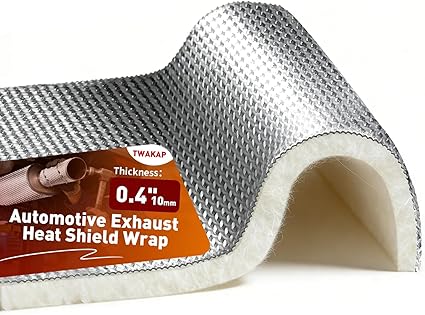 | Automotive Aluminum Heat Shield | Check Price |
Our Top Picks 2  | SunplusTrade Black Heat Wrap 50 | Check Price |
Our Top Picks 3  | Peastorm Aluminum Heat Shield | Check Price |
Our Selected Top 12 Exhaust Wrap Material Worth Buying
This selection covers various exhaust wrap materials suited for different engines and heat levels. Each review explains how well the wrap handles heat, its durability, ease of installation, and any drawbacks. You’ll find advice on which options work best for specific needs and setups.
1. Automotive Aluminum Exhaust Heat Shield Wrap
This heat shield wrap is designed for those needing strong, dependable exhaust heat protection. It fits well on various exhaust sizes and stands out with its double-layer insulation that blocks heat effectively, making it a solid choice for serious automotive work or DIY projects.
Setting up involves cutting it to size and wrapping it tightly around exhaust pipes or mufflers. The included premium metal zip ties make securing the wrap straightforward and stable. Its flexibility lets it fit curved surfaces tightly once hammered into shape.
Protective gloves are necessary during installation due to the fiberglass material. Cleaning is simple since the surface resists oil and water.
The wrap handles very high temperatures, up to 2000°F, thanks to the high-density fiberglass wool inside. The aluminum outer layer reflects much of the heat, reducing nearby temperatures significantly. Reviews highlight how well it keeps heat where it belongs but mention that cutting it can be tricky without the right tools or protection.
Toughness and heat blocking are strong points.
This heat shield wrap stands out for its strong heat resistance and reflective capability. It handles temperatures up to 2000°F while reflecting 95% of radiant heat. Installation is straightforward with included metal zip ties and flexible material. A common complaint is the risk of cuts during handling due to the fiberglass material, so protective gloves are necessary.
People working on automotive exhausts, mufflers, and pipelines will appreciate this wrap, especially for its double-layer insulation and easy customization through cutting. Those looking for a less abrasive material or something softer to handle might prefer a different option since the fiberglass can be rough and requires careful installation.
Maintenance is simple thanks to the waterproof and oil-resistant surface, which only needs occasional wiping. The wrap molds well to curved surfaces when hammered and cut, making it practical in tight, irregular spaces. Its size of 12 by 24 inches fits many exhaust sections but might need buying multiple sheets for larger projects.
Pros
- Highly heat resistant up to 2000°F
- Reflects most radiant heat effectively
- Includes metal zip ties for secure fit
- Waterproof and oil-resistant outer layer
Cons
- Requires gloves to avoid fiberglass cuts
- Cutting the material can be challenging
| Specification | Details |
|---|---|
| Size | 12″ x 24″ |
| Material | Double-layer fiberglass wool & aluminum |
| Temperature Resistance | Up to 2000°F (1093°C) |
| Package Includes | 15 premium metal zip ties |
| Heat Reflection | Reflects up to 95% of radiant heat |
2. SunplusTrade 2 X 50 Black Exhaust Heat Wrap with Ties
This is a heat wrap tape designed for exhaust systems on cars and motorcycles. It suits someone who wants to reduce engine bay heat and protect components from high temperatures. Its biggest strength lies in handling very high heat levels, which helps keep temperatures under control.
Setting this wrap up involves winding the 2-inch wide tape tightly around the exhaust pipe. The package includes six stainless steel zip ties that lock securely, making the installation stable.
Using it daily means the wrap stays in place despite engine vibrations, and the black color masks dirt and oil pretty well. The wrap requires some soaking in water before application to reduce fiber shedding and ease wrapping.
The wrap resists heat up to 1400F directly and 2000F from radiant sources, cutting down under-hood heat by about half. It has good tensile strength with high abrasion and oil spill resistance. The strongest praise is for heat reduction and durable material.
A common complaint is that wrapping pipes can be tricky and time-consuming without practice.
The SunplusTrade exhaust heat wrap holds up well against high temperatures, handling direct heat up to 1400 degrees Fahrenheit and radiant heat up to 2000. The stainless steel locking zip ties keep the wrap firmly in place during long drives. A common downside is that wrapping it tightly around headers can be time-consuming and requires patience to avoid fraying on.
This product suits anyone looking to reduce engine bay temperatures, especially with a 50-foot length that fits most cars and motorcycles. It copes well with oil spills and vibrations, making it reliable in demanding situations. Someone after a simpler wrap without the need for precision installation might find this less convenient because of the firm, tough-to-handle fabric.
People interested in custom performance parts and those who enjoy working on their vehicles will appreciate how much heat gets cut down under the hood. A daily driver needing occasional heat shielding might want a product that installs faster and requires less attention to detail. This wrap is best for people willing to spend time on careful application to get.
Pros
- High heat resistance reduces engine bay temperature
- Comes with stainless steel zip ties for secure fit
- Durable material resists abrasion and oil exposure
- 50 feet length fits various exhaust sizes
Cons
- Wrapping takes time and practice to do well
- Fibers may shed during initial installation
| Specification | Details |
|---|---|
| Wrap dimensions | 2 inch x 50 feet |
| Heat resistance (direct) | 1400F |
| Heat resistance (radiant) | 2000F |
| Zip ties | 6 stainless steel (304), 12 inch |
| Weight | 1.95 pounds |
3. Peastorm Automotive Aluminum Exhaust Heat Shield Wrap
This is an aluminum exhaust heat shield wrap made for someone needing something tough against very high heat. Its main strength is handling continuous temperatures up to 1000°F without losing shape or protection. It suits anyone looking to keep engine parts or fuel tanks shielded from intense heat.
Setting it up involves cutting the 12 by 24 sheet to size since it’s easy to shape. The wrap comes with two 39 stainless steel ties to secure it tightly.
Around the car, the half-inch thickness makes it stiff enough to hold form but flexible enough to wrap around uneven mufflers or pipes. This makes daily use straightforward for heat shielding tasks in engine compartments or near batteries.
The wrap does a solid job blocking heat thanks to its heavy duty embossed aluminum bonded with glass fiber. It often outperforms regular cloth wraps by lasting longer and giving better insulation.
Some note sharp edges on the aluminum when taking it off, which needs careful handling. The ties stay in place well, holding the wrap firmly during use.
This aluminum exhaust heat shield wrap holds up well against high temperatures up to 1000°F thanks to its thick 10 mil aluminum layer combined with heat-resistant glass fiber. It cuts and shapes easily around parts like mufflers and engines, making installation straightforward. The most common complaint is that the edges can be sharp during handling, which requires care to avoid.
People working on vehicles who need a durable, high-temperature heat shield will appreciate this wrap’s longevity and effectiveness. It suits those looking to protect chassis, fuel tanks, or engine compartments from extreme heat. Those preferring a softer, more flexible material might want to consider fabric wraps made specifically for ease of fitting in tight spots.
This wrap is built for practical use in automotive settings where heat resistance and durability matter most. The included stainless steel ties simplify securing the wrap in place. Its thickness may feel bulky for delicate engine bay areas, so alternatives that conform snugly around complex bends could be better choices in those cases.
Pros
- Handles heat up to 1000°F continuously
- Easy to cut and shape as needed
- Includes durable stainless steel ties
- Thick half-inch protects well from heat
Cons
- Edges can be sharp during removal
- Limited size may require multiple sheets
| Specification | Details |
|---|---|
| Dimensions | 12.5 x 12.5 x 1.5 inches |
| Material | 10 mil aluminum with heat-resistant glass fiber |
| Temperature Resistance | Continuous up to 1000°F |
| Included Accessories | Two 39″ stainless steel ties |
| Item Weight | 1.59 pounds |
4. SunplusTrade Titanium Exhaust Wrap with Stainless Steel Ties

This exhaust wrap is designed for anyone wanting to cut down engine compartment heat. It fits motorcycles and cars with ease. Its biggest strength lies in handling very high temperatures, up to 1400F direct and 2000F radiant, which makes it suitable for serious heat management needs.
Setting up the wrap involves unrolling the 50 feet length around headers or exhaust pipes, then securing it with the included stainless steel zip ties. The ties lock tight and hold well against vibrations. Daily use means it stays in place despite exposure to oil or road debris.
The volcanic rock fiber material feels sturdy and does not fray easily during installation.
The main job of reducing heat under the hood works as promised, reportedly lowering temperatures up to 50%. The volcanic rock fiber resists abrasion and vibration damage over time. Strong points include good heat resistance and durable ties.
Some users mention occasional difficulty threading the wrap through tight spaces but appreciate the strong hold once installed.
This exhaust wrap handles high heat well, withstanding up to 1400F direct heat and 2000F radiant heat. It effectively cuts down heat under the hood by nearly half. The included stainless steel locking zip ties hold the wrap securely in place after installation. Some people find the wrap a bit stiff at first, making wrapping tight bends a little tricky.
This product works well for anyone looking to reduce engine bay temperatures on cars or motorcycles using a durable volcanic rock fiber material. People working on performance exhaust parts or headers will appreciate the heat resistance and abrasion durability. Those wanting a softer or more flexible wrap may want to explore other brands with materials designed for easier application.
The kit includes enough wrap and zip ties for multiple uses or full-length exhausts. Setup requires careful layering and tension to prevent unraveling while riding or driving. Cleaning involves wiping off dirt or oil but the material holds up to spills well. Storage stays simple thanks to the compact zip ties and roll format.
Pros
- Handles extremely high heat up to 2000F radiant
- Zip ties lock tightly and resist vibration loosening
- Reduces under-hood heat by as much as half
- Strong resistance to oil and abrasion damage
Cons
- May be tricky to wrap tightly around tight bends
- Only comes in 2 inch width, limiting coverage options
| Specification | Details |
|---|---|
| Wrap dimensions | 2 inch X 50 feet |
| Material | Premium volcanic rock fiber |
| Heat resistance | 1400F direct / 2000F radiant |
| Included fastening | 6 stainless steel locking zip ties |
| Manufacturer warranty | 1 year |
5. Exhaust Wrap 2 X 16FT with Stainless Steel Ties

This exhaust wrap is for anyone looking to cut down high temperatures around motorcycle or car exhaust pipes. It stands out for handling heat up to 1100°F, which suits tough engine conditions without breaking down.
Setting it up means wrapping the 2-inch wide fiberglass strip tightly around your exhaust pipe and fastening it with the included 11.8-inch stainless steel ties. The wrap needs soaking in water before use to reduce fiber dust and irritation, so gloves are necessary. It fits well on various pipes and handles vibrations and oil exposure without damaging easily.
The fiberglass material keeps heat contained effectively and reduces heat lost from the engine area. The wrap stays durable thanks to its vibration resistance and wear durability.
Some note a strong initial odor and slight smoke during the first heating, which goes away. The ties hold well but must be checked occasionally for tightness under heavy vibrations.
This exhaust wrap holds up well under high heat, resisting temperatures up to 1100°F, which keeps engine compartments cooler and maintains performance. It comes with stainless steel ties for a secure fit and stands up to vibration and oil spills. Some notice a strong odor and smoke during the first few heats due to dewaxing, this is normal and fades.
This wrap works well for anyone needing durable heat protection on motorcycle, car, or truck exhaust pipes. It also fits gas water heaters and pipelines for home use. Those sensitive to fiberglass might want to soak the wrap in water before handling or wear gloves to avoid skin irritation, as the material can cause discomfort during installation.
People focused on a simple, affordable way to reduce heat and protect pipes will appreciate how easy it is to wrap and secure. It might not interest those expecting a completely odor-free product or a wrap without some initial smoke outgassing. The 2-inch width suits smaller pipes better, so larger headers may require multiple rolls or a wider wrap style.
Pros
- High temperature resistance up to 1100°F
- Vibration and wear resistant material
- Includes six stainless steel securing ties
- Can be used on various vehicle and household pipes
Cons
- Initial heating causes smoke and odor
- Requires soaking and gloves for installation
| Specification | Details |
|---|---|
| Material | Fiberglass |
| Dimensions | 2 in x 16 ft (196.85 x 0.2 inches) |
| Temperature Resistance | Up to 1100°F / 600°C |
| Weight | 10.6 ounces |
| Includes | 6 stainless steel ties (30 cm / 11.8 in) |
6. J-B Weld ExhaustWeld Repair Wrap 2 X 72

This fiberglass exhaust wrap is designed for people working on car exhaust repairs and upgrades. It suits those needing a high temperature-resistant material that sets quickly.
Its biggest strength is the fast curing time, especially when heat is applied.
Setting it up involves wrapping the fiberglass material around exhaust parts like manifolds or mufflers. The included resin cures in 20 minutes with heat, which can be as simple as running the engine. Without heat, curing takes about two hours.
The wrap comes with gloves and a bandage to help secure it during application, making the daily process straightforward and manageable with standard tools.
The wrap withstands temperatures up to 1100°F once fully cured, fitting most points on an exhaust system. It is impregnated with a specially formulated resin that hardens firmly.
Feedback notes the wrap holds up well on high-heat components but can be tricky to keep tightly wrapped during installation. The resin’s quick set is praised, while some find the curing slightly uneven without heat.
The wrap cures quickly, especially when heat is applied, setting in about 20 minutes. It can handle temperatures up to 1100°F once fully cured, making it reliable for mufflers or tailpipes. The most common complaint is that the resin can be a bit tricky to spread evenly, and the wrap tightness needs care to avoid gaps.
People working on exhaust systems looking for a heat-resistant solution will find this wrap useful. It better suits those who want a quick, strong fix on manifolds or catalytic converters without welding. Those expecting a perfectly smooth finish or very flexible material might want to consider other options, as the wrap can feel rigid after curing and needs good prep.
The material holds up well around hot engine areas and resists cracking over time. Repairing sections of exhaust pipes with this wrap reduces heat exposure to nearby parts. Cleanup is simple since the wrap doesn’t release much dust or debris. Storing leftover resin requires sealing tightly to keep it usable for future jobs.
Pros
- Fast curing with heat in 20 minutes
- Resistant to very high temperatures
- Comes with gloves and bandage for application
- Can cure without heat if needed
Cons
- Hard to keep wrap tight during installation
- Curing can be uneven without heat applied
| Specification | Details |
|---|---|
| Material | Fiberglass with resin |
| Temperature Resistance | Up to 1100°F |
| Cure Time With Heat | 20 minutes |
| Cure Time Without Heat | 2 hours |
| Wrap Size | 2 inches x 72 inches |
| Included Components | Gloves and securing bandage |
7. Embossed Aluminum Exhaust Heat Shield 13 X 40

This embossed aluminum exhaust heat shield suits anyone needing strong heat protection for car or motorcycle parts. Its standout feature is handling high heat up to 1022°F, making it reliable for mufflers and engine areas that get very hot.
Setting it up involves trimming to size with standard tools and bending the thin 0.02-inch aluminum to fit around pipes or tanks. It comes with 15 stainless steel ties to secure it firmly.
The material feels sturdy but flexible, allowing custom shaping without tearing. Handling the edges requires gloves since the aluminum can be sharp while cutting.
The shield effectively stops heat transfer, protecting components under the hood or chassis. Its main strength comes from the aluminum sheet, which lasts longer and insulates better than fabric wraps.
The most frequent complaint concerns the sharp edges during installation, which means taking care while working on it. It stays in place well once secured.
This heat shield handles high temperatures up to 1022°F, which covers most automotive needs like mufflers and catalytic converters. The aluminum sheet is thick yet flexible enough to cut and shape easily. People appreciate the included stainless steel ties for mounting. Some find the edges sharp, so gloves are necessary during installation to avoid cuts.
This product suits anyone needing a durable shield for parts exposed to heat, including motorcycles, cars, and even industrial pipes. It’s good for customizing fits around tricky shapes with simple tools. Someone looking for a quick, soft wrap might prefer fabric options instead, since this is a rigid metal sheet rather than a cloth wrap.
The size of 13 by 40 inches works for many standard applications but may require trimming for smaller parts or complicated angles. The material’s thickness also provides better insulation than typical cloth wraps, keeping heat isolated more effectively. It takes some effort to bend it properly, yet the results hold up well in harsh conditions.
Pros
- Handles very high temperatures without damage
- Flexible but durable aluminum sheet
- Comes with stainless steel ties for secure mounting
- Easy to cut and shape to fit various parts
Cons
- Sharp edges require careful handling
- May need precise bending to fit uneven surfaces
| Specification | Details |
|---|---|
| Material | Insulated aluminum sheet |
| Size | 13 x 40 inches (33 cm x 100 cm) |
| Thickness | 0.02 inches (0.5 mm) |
| Heat Resistance | Up to 1022°F (550 °C) |
| Includes | 1 aluminum heat shield + 15 stainless steel ties (12″) |
| Weight | 14.9 ounces |
8. Titanium Exhaust Wrap 2 X 50FT with 12 Ties

This exhaust wrap is designed for people working on high-performance or custom exhaust systems needing strong heat resistance. It excels at handling extreme temperatures while covering large exhaust parts.
Anyone tackling long headers or turbo pipes will find its heat tolerance the main advantage.
Setting up this wrap involves unrolling the 50-foot length over headers or piping and securing it with the included stainless steel ties. The ties hold well even with engine vibrations and heat cycling. The basalt fiber material feels sturdy but requires some effort to wrap tightly and evenly on curves.
It can take some patience to get a clean look over long sections.
The wrap handles heat up to 1800°F nonstop and spikes to 2500°F briefly without breaking down, which meets the needs of high-temp built engines. The basalt fiber weave shows good durability after heat exposure while maintaining a titanium-like finish.
Some mention the wrap’s stiffness making tight bends tricky, but most agree it stays in place once installed.
The titanium exhaust wrap holds up well under intense heat, withstanding temperatures up to 1800°F continuously and even higher in bursts. It covers large sections effectively thanks to the 50-foot length, making it suitable for extensive exhaust projects. Some find it tricky to wrap tightly, especially around bends, which can require extra effort during installation.
This wrap suits people working on high-performance engines or turbocharged setups that produce a lot of heat over time. The included stainless steel ties help keep everything in place during vibration and heat cycles. Those needing a quick, simple wrap for lighter applications or smaller jobs might prefer something thinner or with easier handling.
Daily driving and track use will benefit from this wrap’s thermal resistance and durability, helping to keep engine compartments cooler. Cleaning is minimal but should be done carefully to avoid fraying. Storing the wrap is straightforward since it stays rolled neatly and resists moisture or damage in typical garage conditions.
Pros
- Handles very high temperatures continuously and intermittently
- Long 50-foot roll covers large or multiple exhaust parts
- Includes 12 sturdy stainless steel ties for secure installation
- Basalt fiber resists damage and retains finish after heating
Cons
- Wrap is stiff, making tight bends difficult
- Requires careful wrapping to avoid uneven coverage
| Specification | Details |
|---|---|
| Material | Woven basalt fiber |
| Heat resistance | 1800°F continuous, 2500°F intermittent |
| Length | 50 feet |
| Weight | 2.18 pounds |
| Included accessories | 12 stainless steel locking ties |
| Model number | G515 |
9. Automotive Exhaust Header Wrap Kit Black

This is a black fiberglass exhaust header wrap kit designed for people needing a sturdy heat barrier around vehicle headers and turbo parts. Its main strength lies in enduring very high temperatures without breaking down, which suits anyone aiming to control radiant heat effectively.
Setting this wrap up takes some patience since it requires installing on a cool exhaust to avoid burns. The kit includes enough wrap and hardware, like stainless steel ties and adjustable clamps, to secure everything well.
Wearing gloves and long sleeves is necessary during installation, as the fiberglass can irritate skin if contacted directly.
The wrap manages heat very well, standing up to 1400°F direct and 2000°F radiant heat. Its fiberglass construction feels dense and durable.
The stainless steel ties hold up tight under vibration and heat, though some users find the clamps a bit fiddly to adjust properly at first. The black matte finish helps with heat absorption, but the material can fray on the edges if not handled carefully during fitting.
The black fiberglass material withstands high temperatures well, resisting up to 1400°F of direct heat. The kit includes everything needed for installation, like stainless steel locking ties and adjustable clamps. One drawback is that wrapping tight curves can be tricky, and the material frays slightly during handling, which requires careful cutting and finishing for a neat fit.
People working on motorcycles or cars with headers, manifolds, or turbo systems will find this useful to manage exhaust heat. It suits those who want to reduce heat soak and protect nearby components without complex tools. Those wanting a softer, more flexible wrap or a different color finish might prefer looking at alternatives made from titanium or other materials.
Daily use involves wrapping a clean, cool exhaust pipe carefully and securing it tightly with the included ties and clamps. Gloves and long sleeves help prevent irritation from the fiberglass. The wrap stays securely in place after installation and slightly darkens with heat exposure, which can make it less visible over time.
Pros
- Handles very high temperatures safely
- Includes all hardware for a secure installation
- Durable, high-density fiberglass material
- Matte black finish absorbs heat well
Cons
- Fiberglass irritates skin during installation
- Clamps can be tricky to adjust properly
| Specification | Details |
|---|---|
| Material | High-density fiberglass |
| Heat resistance | 1400°F direct, 2000°F radiant |
| Kit included | 1 wrap, 10 stainless steel locking ties, 2 metal clamps |
| Weight | 2.03 pounds |
| Dimensions | 7.4 x 7.05 x 2.6 inches |
| Color | Black matte |
10. SunplusTrade Titanium Exhaust Wrap 2 X 50 with Zip Ties (2 Pack)

This exhaust wrap is designed for anyone looking to reduce heat around their engine or exhaust system on cars and motorcycles. Its strongest point is handling very high temperatures thanks to volcanic rock fiber, keeping heat away effectively in hot conditions.
Applying the wrap involves wrapping around the exhaust or headers tightly using the included 12 stainless steel locking zip ties. The 2 inch width and 50 feet length per pack provide enough material to cover multiple parts or larger areas. Daily exposure to oil, vibration, and heat does not wear it down quickly.
It stays in place with the zip ties and resists damage from road debris or engine movement.
The wrap reduces heat by up to 50% under the hood, which helps both performance and safety. Its material manages temperatures above 1400F direct heat and 2000F radiant heat. The main positive reviews note how well it blocks heat and handles rough conditions.
A common complaint is that the zip ties can be tough to tighten enough without special tools.
The SunplusTrade Titanium Exhaust Wrap stands out for its strong heat resistance, handling up to 1400F direct and 2000F radiant heat. The volcanic rock fiber material cuts down under-hood temperatures by as much as half. Many find the included stainless steel locking zip ties effective for securing the wrap tightly, though some note that installation can be time-consuming and the.
People working on cars or motorcycles that run hot could benefit from this wrap’s durability and heat reduction. Its universal size fits headers and exhausts on various vehicles, making it flexible for DIY projects. However, those who want a quick, neat installation or don’t plan frequent maintenance may want to consider wraps with adhesive backing or easier handling options.
This exhaust wrap retains shape well over time, even exposed to vibration and oil spills. Cleaning involves a simple wipe down once cooled. The long 50-foot length per roll covers extensive jobs or multiple smaller sections, but it requires patience to wrap tightly in narrow spots. It’s a solid choice for anyone willing to spend the time on a thorough.
Pros
- Handles very high heat without damage
- Good length and width for various exhaust parts
- Includes stainless steel zip ties for secure fitting
- Resists oil, abrasion, and vibration well
Cons
- Zip ties can be hard to tighten firmly
- Material can be a bit stiff and hard to wrap tightly
| Specification | Details |
|---|---|
| Material | Volcanic rock fiber |
| Length per pack | 50 feet |
| Width | 2 inches |
| Included components | 12 stainless steel locking zip ties |
| Heat resistance | 1400F direct, 2000F radiant |
| Number of packs | 2 |
11. CARDI Titanium and Black Exhaust Heat Wrap with Ties

This is a heat-resistant exhaust wrap made from basalt fibers, suited for motorcycle and car exhaust systems. It stands out thanks to its durability at very high temperatures and a better look than typical fiberglass wraps.
Setting it up involves soaking the wrap in water first to make it easier to handle and reduce fiber release. The package includes a set of zip ties and gloves, which help to secure the wrap tightly around pipes.
The 2-inch width and 50-foot length cover most exhaust setups, and careful overlaps avoid over-insulation while fitting bends is straightforward.
The basalt material withstands heat up to 1400°F direct and 2000°F radiant, with a thickness of 0.06 inches making it stronger than thinner alternatives. The tightly woven texture lasts longer without breaking down or discoloring from heat.
The main complaint is the time it takes to apply evenly, especially on complex exhaust shapes.
The CARDI Titanium and Black Exhaust Heat Wrap stands out for its durable basalt fiber material, which handles 1400F direct heat and 2000F radiant heat without breaking down or smoking. It comes with stainless steel zip ties and gloves, making setup simpler. Some find it tricky to wrap tightly around curves, demanding patience and a steady hand during installation.
This wrap suits riders wanting strong heat protection and a longer lifespan than typical fiberglass wraps. The black and titanium twill weave looks better than plain wraps. Those needing a quick wrap might find the installation details cumbersome, especially if a perfect tight fit around the exhaust is needed.
People with experience handling exhaust wraps or willing to spend extra time during setup will appreciate this product. Those looking for a thinner or easier-to-install wrap should consider simpler alternatives. The thicker 0.06-inch wrap could be too bulky for certain tight spaces or detailed pipe systems.
Pros
- High heat resistance up to 2000°F radiant
- Thicker than most wraps at 0.06 inch
- Tighter weave for longer durability
- Comes with gloves and ties for installation
Cons
- Installation can be time-consuming
- Not suitable without thorough exhaust cleaning first
| Specification | Details |
|---|---|
| Length | 50′ |
| Width | 2″ |
| Heat Resistance | 1400°F direct / 2000°F radiant |
| Material | Natural basalt fiber |
| Thickness | 0.06″ |
| Included Accessories | 10 zip ties, 4 stainless steel ties, rubber gloves |
12. Titanium 2 X 100ft Basalt Fiber Exhaust Wrap

This basalt fiber exhaust wrap suits anyone working on cars, motorcycles, or off-road vehicles looking to reduce heat around exhaust parts. Its biggest strength lies in handling tricky bends and curves with ease, making it a practical choice for managing heat in tight engine bays.
Setting up the wrap means soaking it in water and wearing gloves, which helps with flexibility and handling sharp edges. The included stainless steel ties secure the wrap firmly, though twisting the wrap around complex exhaust shapes takes a bit of patience. You can trim the wrap exactly to length, which makes it versatile for different pipe sizes and shapes.
The wrap does well at cutting down radiant heat, protecting nearby hoses and wiring from damage. Its woven basalt fiber handles heat without fraying easily. Common praise highlights how it molds tightly around headers, but some users find the wrap stiff when dry.
The metal ties hold up well, though bending them too much can weaken them.
This basalt fiber exhaust wrap stands out for its strong heat resistance and flexibility. It fits easily around complex exhaust shapes like headers and manifolds and holds up well under high temperatures. A common issue involves the rough texture, which can irritate skin, so wearing gloves is necessary during installation.
This product suits people who need to reduce heat around exhaust pipes on cars, motorcycles, or off-road vehicles. Those working on custom exhaust setups will appreciate that the wrap is easy to cut to length and shape around bends. Motorists who prefer a softer, less fibrous wrap in direct contact with their skin might want to seek alternatives.
The basalt fiber material performs better than many synthetic wraps when exposed to continuous heat, making it a solid choice for demanding applications. Handling requires soaking the wrap in water first, which helps reduce dust and makes wrapping simpler. Cleaning the wrap isn’t really applicable once installed, but storing it rolled up keeps it ready for future use.
Pros
- Conforms well around bends and irregular shapes
- Stainless steel ties included for secure fastening
- Good heat resistance protects nearby components
- Cut-to-fit length for multiple applications
Cons
- Wrap feels stiff before soaking in water
- Metal ties can weaken if bent repeatedly
| Specification | Details |
|---|---|
| Material | Basalt fiber |
| Size | 2 inches x 100 feet |
| Included components | 30 stainless steel metal ties |
| Manufacturer warranty | 1 year |
| Suitable for | Cars, trucks, motorcycles, ATVs, off-road vehicles |
Comparison of Best Exhaust Wrap Materials
| Product | Material | Size/Length | Heat Resistance | Included Components |
|---|---|---|---|---|
| Automotive Aluminum Heat Shield | Fiberglass cotton & aluminum | 12″ x 24 | 2000°F | 15 metal zip ties |
| SunplusTrade Black Heat Wrap 50 | Fiberglass wrap | 2″ x 50 ft | 1400°F direct / 2000°F radiant | 6 steel zip ties |
| Peastorm Aluminum Heat Shield | Aluminum & glass fiber | 12″ x 24 | 1000°F continuous | 2 stainless steel ties |
| SunplusTrade Titanium Wrap & Ties | Volcanic rock fiber | 2″ x 50 ft | 1400°F direct / 2000°F radiant | 6 steel zip ties |
| Exhaust Wrap 2x16FT Stainless | Fiberglass wrap | 2″ x 16 ft | 1100°F | 6 stainless ties |
| J-B Weld Exhaust Repair Wrap | Fiberglass resin wrap | – | 1100°F cured | Gloves and bandage |
| Embossed Aluminum Heat Shield | Aluminum sheet | 13″ x 40 | 1022°F | – |
| Titanium Exhaust Wrap 2x50FT | Basalt fiber | 2″ x 50 ft | 1800°F direct | 12 stainless steel ties |
| Automotive Black Header Wrap Kit | Fiberglass wrap | 2″ x – | 1400°F direct / 2000°F radiant | 10 steel ties, clamps |
| SunplusTrade Titanium 2×50 Zip Ties | Volcanic rock fiber | 2″ x 100 ft | 1400°F direct / 2000°F radiant | 12 steel zip ties |
| CARDI Titanium & Black Wrap | Basalt fiber | 2″ x 50 ft | 1400°F direct / 2000°F radiant | Zip ties, gloves |
| Titanium Basalt Fiber 2x100FT | Basalt fiber | 2″ x 100 ft | – | 30 stainless steel ties |
- MaterialFiberglass cotton & aluminum
- Size/Length12″ x 24
- Heat Resistance2000°F
- Included Components15 metal zip ties
- MaterialFiberglass wrap
- Size/Length2″ x 50 ft
- Heat Resistance1400°F direct / 2000°F radiant
- Included Components6 steel zip ties
- MaterialAluminum & glass fiber
- Size/Length12″ x 24
- Heat Resistance1000°F continuous
- Included Components2 stainless steel ties
- MaterialVolcanic rock fiber
- Size/Length2″ x 50 ft
- Heat Resistance1400°F direct / 2000°F radiant
- Included Components6 steel zip ties
- MaterialFiberglass wrap
- Size/Length2″ x 16 ft
- Heat Resistance1100°F
- Included Components6 stainless ties
- MaterialFiberglass resin wrap
- Size/Length–
- Heat Resistance1100°F cured
- Included ComponentsGloves and bandage
- MaterialAluminum sheet
- Size/Length13″ x 40
- Heat Resistance1022°F
- Included Components–
- MaterialBasalt fiber
- Size/Length2″ x 50 ft
- Heat Resistance1800°F direct
- Included Components12 stainless steel ties
- MaterialFiberglass wrap
- Size/Length2″ x –
- Heat Resistance1400°F direct / 2000°F radiant
- Included Components10 steel ties, clamps
- MaterialVolcanic rock fiber
- Size/Length2″ x 100 ft
- Heat Resistance1400°F direct / 2000°F radiant
- Included Components12 steel zip ties
- MaterialBasalt fiber
- Size/Length2″ x 50 ft
- Heat Resistance1400°F direct / 2000°F radiant
- Included ComponentsZip ties, gloves
- MaterialBasalt fiber
- Size/Length2″ x 100 ft
- Heat Resistance–
- Included Components30 stainless steel ties
Choosing the Right Exhaust Wrap Material for Your Needs
Consider heat resistance, durability, and ease of installation when picking exhaust wrap material. Choosing the right type helps prevent damage to engine parts and reduces maintenance needs, ultimately saving money and avoiding problems down the road.
Heat Resistance
Many wraps start to break down around 800°F (427°C), but some high-quality versions handle spikes up to 2000°F (1093°C) without losing structure. In daily use, a wrap that can’t withstand the heat risks fraying, crumbling, or discoloration after a few rides, especially where exhaust pipes run close to other parts.
This means more frequent replacements and potential heat damage to cables or paint nearby.
Duration under continuous heat matters just as much as peak resistance. Some materials remain effective after hours of exposure, while others weaken after short bursts.
A reliable wrap should hold up after repeated cycles without losing its heat containment. Good wraps also significantly reduce the heat radiated outward, keeping adjacent components cooler, which lowers risks of melting or warping. Look for fiberglass or basalt fiber materials with at least 1200°F (649°C) continuous operating temperatures for durable performance.
Material Composition
Fiberglass wraps are common and affordable, but they tend to wear out faster in wet or oily conditions. Basalt fiber versions handle heat better and resist moisture and chemicals from road grime or engine fluids, so they hold up longer. Titanium-infused wraps offer the highest durability, especially around aggressive and corrosive environments.
The difference shows after a few months; cheaper fiberglass wraps may peel or become brittle, while basalt or titanium stays intact through heavy rain and oil splashes.
The flexibility of the material impacts how easily the wrap conforms around tight bends and complex exhaust shapes. Thicker basalt or titanium blends require a bit more effort to wrap neatly, but they don’t crack or tear as quickly during installation or regular vibration.
Choose widths around 2 inches for the best balance of coverage and handling, and look for products rated at least 1200°F for heat resistance, it improves longevity substantially.
Installation and Fit
Wrapping exhaust pipes with complex bends or tight curves can quickly turn into a frustrating task. A good material bends easily without tearing or bunching, allowing it to conform closely to every contour. Trying to fit a wrap that’s too stiff or only comes in one width often leads to uneven coverage or gaps, which defeats the purpose of heat retention.
Selecting from a range of widths and lengths matters a lot, as exhaust systems can vary from small motorcycle pipes to large V8 headers.
Different engines and exhaust designs also demand versatility. Some materials handle hotter temperatures typical of turbocharged systems better than others, while some are more resilient against moisture or oils.
Strong heat resistance and the right length are important for lasting performance, but ease of installation should not be overlooked. Wrapping a complex manifold with a material that resists bending wastes time and makes a sloppy job almost unavoidable.
Safety and Insulation
Exhaust wraps can reach extremely high temperatures, sometimes exceeding 800°F, which can cause some materials to burn or degrade quickly. The danger isn’t just the wrap catching fire; deteriorated material can leave residue in your engine bay and lose its insulating properties. A reliable wrap maintains its integrity under intense heat and keeps the surface temperature of pipes significantly lower, often by 100°F or more.
This drop helps protect nearby components and reduces the risk of accidental burns during maintenance.
Chemical safety matters more than I first expected. Some wraps emit unpleasant fumes or irritants when heated, which can linger in the garage or under-hood space. Materials free from fiberglass or ceramic fibers that irritate skin and lungs work better day-to-day.
Look for wraps labeled as low chemical release or using inorganic fibers. Paying attention to installation and wearing gloves also makes managing dust and fibers much easier.
Maintenance and Durability
On rough roads, vibration quickly wears down lower-quality options, causing fraying or loosening around tight bends. A durable choice holds up against constant movement and weather exposure like rain and heat, preventing damage that leads to exhaust leaks or heat loss. Look for materials treated with fiberglass or titanium blends, which resist cracking and can withstand temperatures above 1000°F. A high tensile strength rating often signals better endurance in these conditions.
Cleaning is another consideration. Some wraps absorb grease and dirt easily, making grime build-up a daily hassle. Others feature coatings that repel oil and water, cutting down cleaning frequency.
Expect the wrap surface to discolor but not degrade after repeated washes or rough cleaning with brushes. Typically, a quality wrap lasts around 3 to 5 years under normal driving, but longevity can extend with proper care and regular inspections for loosening spots.
How to Properly Install Exhaust Wrap for Maximum Efficiency
Before wrapping your exhaust, make sure it is completely cool to avoid burns and to help the wrap adhere better. Cutting the wrap into manageable lengths of about 2 to 3 feet makes it easier to handle during installation. Soaking the wrap in water beforehand will soften the fibers, which helps it conform to bends and curves more smoothly.
Start wrapping at the exhaust header, overlapping each pass by around 50% to ensure complete coverage and reduce heat loss. Pull the wrap tightly to avoid gaps, but don’t over-tighten, as this can cause the fibers to fray.
Finishing with stainless steel zip ties or hose clamps at both ends keeps the wrap secure under vibration and heat. After installation, run the engine briefly to help the wrap dry and set into place.
Expect some smoke and odor during this initial heating; proper ventilation avoids discomfort.
- Avoid wrapping areas with sensors directly to prevent interference.
- Check periodically for any loosening or wear, especially after heavy driving.
- Clean the exhaust surface before wrapping to remove oil or dirt for better adhesion.
Common Mistakes to Avoid When Using Exhaust Wrap
One frequent mistake is not thoroughly cleaning the exhaust pipes before wrapping. Dirt, rust, and oil can prevent the wrap from adhering properly, reducing its effectiveness. Use a wire brush or sandpaper to strip off any flaky rust or debris and wipe the surface with a degreaser for better results.
Another issue arises from leaving gaps or overlaps unevenly spaced. Wrapping too loosely causes the material to unravel quickly, while wrapping too tightly can cause premature wear.
Aim for a snug fit, overlapping each turn about half an inch to maintain consistency and durability.
Additional pitfalls include:
- Not securing the ends properly with stainless steel ties or clamps, which can lead to fraying or peeling.
- Applying the wrap without wearing gloves, as fiberglass can irritate skin.
- Skipping the soaking step for certain types of wraps that require water activation to become flexible.
Taking time to avoid these mistakes improves heat retention and helps the wrap last longer in tough conditions.
Comparing Exhaust Wrap to Ceramic Coatings and Heat Shields
Exhaust wraps are popular because they trap heat inside the pipes, which can help improve engine efficiency and reduce under-hood temperatures. Compared to ceramic coatings, wraps are generally easier to install and don’t require specialized tools or professional application.
Ceramic coatings, meanwhile, provide a hard, durable surface that resists damage from abrasions and chemicals, but they often demand thorough surface prep and curing time.
Heat shields, on the other hand, don’t insulate the pipes but reflect heat away from sensitive components. They’re typically installed as rigid panels or molded pieces attached around the exhaust area, making them less flexible than wraps.
- Wraps are good for quick installation and improving thermal retention.
- Ceramic coatings offer longer-lasting protection but need professional application and curing.
- Heat shields focus on protecting nearby parts rather than reducing pipe temperatures.
Choosing between these depends on whether the priority is easier installation or durability and specific heat management needs.
People Also Asked
How Do I Clean and Maintain Exhaust Wrap Material?
Exhaust wrap material cleans best by brushing off loose dirt and using a damp cloth for stubborn spots. Avoid soaking the wrap since water can reduce its heat resistance. Let it dry completely before reinstalling. Over time, the wrap may darken or fray, but this usually doesn’t affect performance. Check for any loose strands to prevent them from catching on other parts.
What Size Exhaust Wrap Should I Buy for My Pipe?
Choose an exhaust wrap width that matches the diameter of your exhaust pipe, usually between 1 to 2 inches wider than the pipe for proper overlap. This overlap allows you to wrap the pipe securely without gaps. Wrapping tightly is key to avoid unraveling, and using stainless steel ties helps keep the wrap in place during drives or engine heat cycles.
Is Exhaust Wrap Safe to Use on All Engine Types?
Exhaust wrap is generally safe for most engine types but requires careful installation to avoid damage. It works well on metal exhaust pipes by reducing heat exposure to nearby components. Make sure to soak the wrap in water before installation to prevent fiber breakage and tightening it properly to avoid unraveling during engine vibrations.
How Long Does Exhaust Wrap Typically Last on a Motorcycle?
Exhaust wrap on a motorcycle usually lasts around 2 to 5 years, depending on conditions. Exposure to water, heat cycles, and road debris can shorten its lifespan. Wrapping the exhaust properly with tight overlapping layers helps it stay in place longer, and using high-quality stainless steel ties prevents it from loosening during rides.
Can Exhaust Wrap Cause Damage to My Exhaust System?
Exhaust wrap can cause damage if it traps moisture against the metal, leading to rust over time. It’s a good idea to make sure the pipes are dry before wrapping and to inspect the wrap regularly. Using a high-quality wrap designed to repel water helps reduce this risk. Proper installation also matters to avoid any loose parts that might rub and wear down the exhaust.
Conclusion
Choosing the right exhaust wrap material comes down to heat resistance, durability, and ease of installation. The wrap should handle high temperatures without breaking down quickly.
It should also be tough enough to stay in place and not fray with vibration or weather exposure. Easy handling during installation saves time and prevents frustration.
Make sure to pick a wrap that fits your specific space and budget, and consider how often you’ll need to remove or replace it. Check the comparison table and the detailed picks above to find the option that matches your needs best. This way, you get the combination of performance and value that works well for your setup.

Hi, I’m Garrett Winslow, a bike enthusiast who enjoys exploring different types of bicycles, from everyday commuter bikes to mountain bikes and road bikes. I love learning about bicycle components, riding accessories, maintenance techniques, and gear that makes cycling more comfortable and enjoyable. Through my writing, I aim to share practical tips and useful insights to help fellow cycling enthusiasts choose the right bikes, maintain their bicycles, and get the most out of every ride.